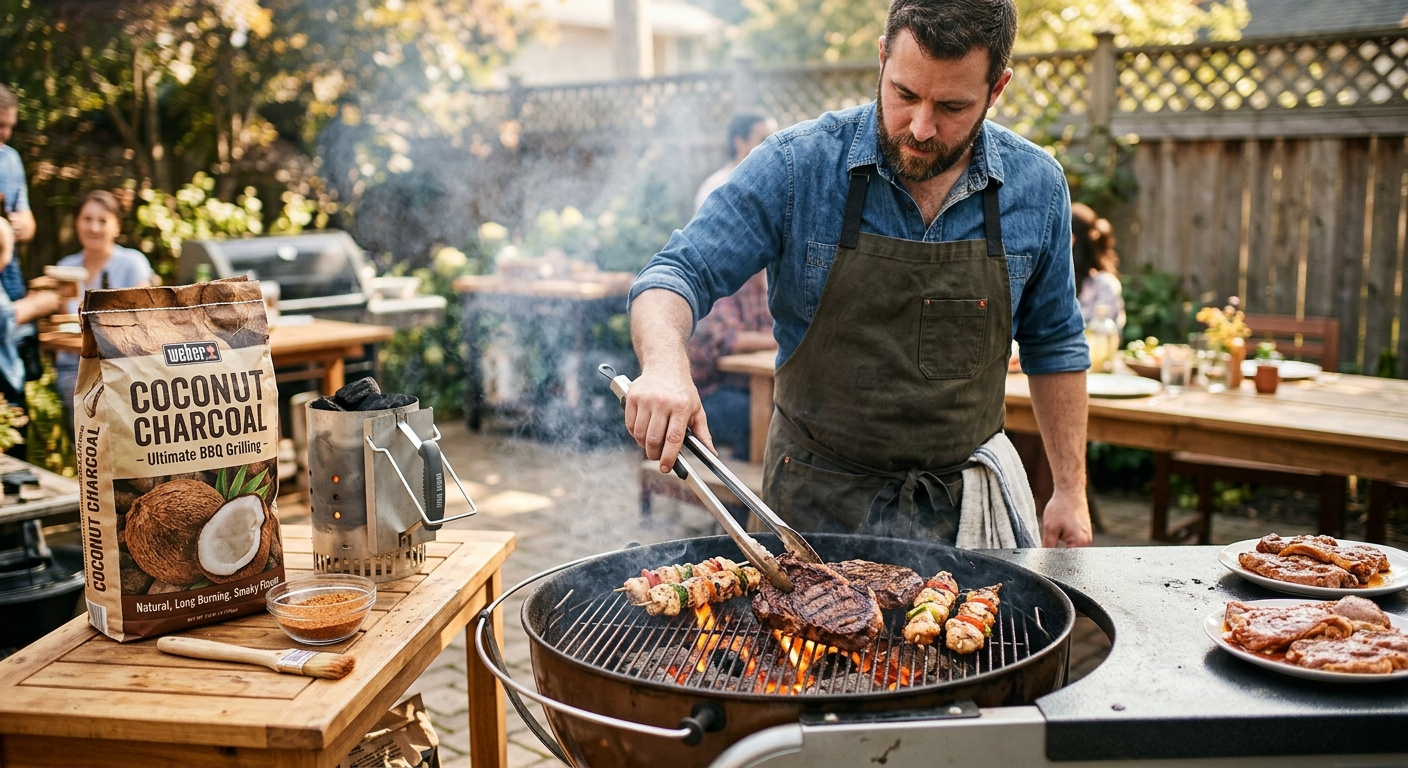
Introduction to Coconut Charcoal for Grilling
As barbecue enthusiasts continually seek cleaner, more efficient, and sustainable ways to grill their favorite meats and vegetables, the focus has shifted toward alternative fuel sources. Among these, coconut charcoal has emerged as a premium choice for barbecue grilling. Made from the discarded shells of coconuts, this type of charcoal offers a myriad of benefits that elevate the grilling experience. Not only is it an eco-friendly option that repurposes agricultural waste, but it also provides a long-lasting, steady heat that traditional lump charcoal and briquettes often struggle to maintain.
Understanding the nuances of coconut charcoal can significantly impact your barbecue outcomes. This comprehensive guide will explore why coconut charcoal is gaining popularity, how it compares to traditional options, and best practices for using it in your next cookout.
Why Choose Coconut Charcoal?
Coconut charcoal stands out in the crowded market of grilling fuels for several compelling reasons. First and foremost is its high density. Because coconut shells are incredibly dense, the charcoal produced from them burns longer and hotter than traditional wood charcoal. This means you can enjoy extended grilling sessions without the constant need to replenish your fuel supply.
Another significant advantage is the minimal ash production. When you use coconut charcoal, you will notice a drastic reduction in leftover ash compared to standard briquettes. This not only makes cleanup a breeze but also prevents ash from blowing onto your food, ensuring a cleaner, purer taste. For those looking to source this high-quality fuel in bulk, reading Buy Coconut Charcoal Wholesale from Indonesia: A Comprehensive Guide is highly recommended to understand the supply chain and quality standards.
Eco-Friendly and Sustainable
Environmental consciousness is more critical now than ever, and coconut charcoal offers a sustainable alternative to wood-based fuels. Traditional charcoal production often contributes to deforestation, whereas coconut charcoal utilizes a byproduct of the coconut industry—the shell—that would otherwise be discarded. By choosing coconut charcoal, you are supporting a circular economy and reducing your carbon footprint without compromising on grilling performance.
Comparing Grilling Fuels: Coconut Charcoal vs. Traditional Charcoal
To truly appreciate the value of coconut charcoal, it is helpful to compare its specific attributes with traditional wood briquettes. The following table highlights the key differences in burn time, maximum temperature, and ash production between these two common grilling fuels.
| Fuel Type | Average Burn Time (Hours) | Max Temperature (°F) | Ash Production Level |
|---|---|---|---|
| Coconut Charcoal Briquettes | 3.0 | 800 | Low (approx. 3-5%) |
| Traditional Wood Briquettes | 1.5 | 600 | High (approx. 15-20%) |
Best Practices for Using Coconut Charcoal
To get the most out of your coconut charcoal, proper lighting and heat management are essential. Because of its high density, coconut charcoal can take slightly longer to light than traditional charcoal. It is highly recommended to use a chimney starter with natural fire starters rather than lighter fluid. Lighter fluid can impart a chemical taste to your food and defeats the purpose of using a clean-burning fuel like coconut charcoal.
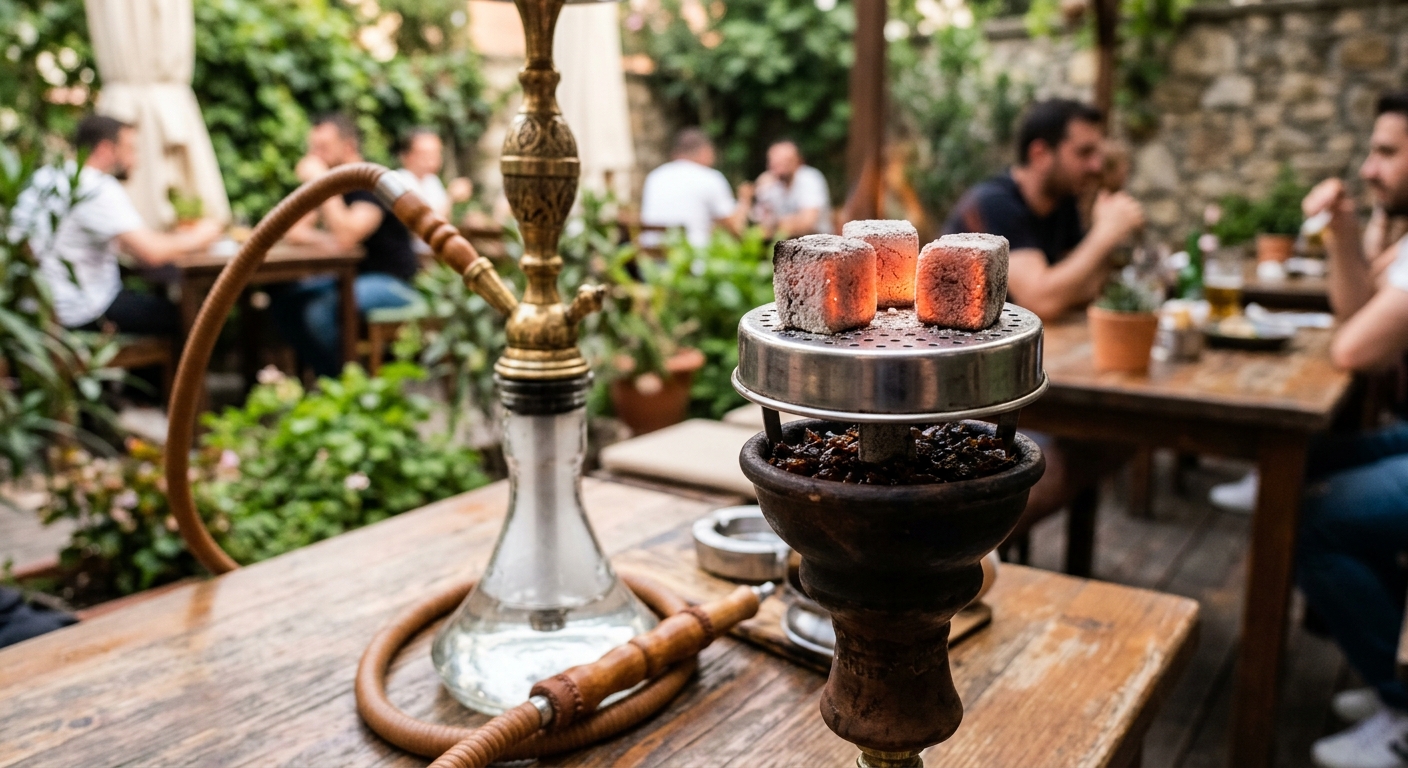
Once lit, the coals will provide a steady, even heat. They are excellent for both high-heat searing and low-and-slow smoking. If you also enjoy hookah or shisha and want to master temperature control, you might find The Ultimate Shisha Heat Management Guide for Professionals insightful, as many of the principles of heat management cross over between grilling and shisha.
Storage Tips
To maintain the integrity and performance of your coconut charcoal, proper storage is crucial. Charcoal is highly porous and will absorb moisture from the air, which can make it difficult to light and reduce its maximum burning temperature. Always store your coconut charcoal in a cool, dry place. Using a heavy-duty, airtight plastic container is ideal for keeping moisture out, especially if you live in a humid climate.
Conclusion
Coconut charcoal represents a significant upgrade for any barbecue enthusiast looking to improve their grilling experience. With its exceptional burn time, high heat output, minimal ash, and eco-friendly origins, it is clear why this fuel source is becoming a staple in backyards around the world. By making the switch to coconut charcoal, you are not only investing in better-tasting food and a cleaner grill but also contributing to a more sustainable planet.
Frequently Asked Questions (FAQ)
Does coconut charcoal make food taste like coconut?
No, coconut charcoal does not impart a coconut flavor to your food. It provides a clean, neutral smoke that allows the natural flavors of your meat, vegetables, and any added smoking woods to shine through.
Can I use coconut charcoal in a ceramic kamado grill?
Yes, coconut charcoal is an excellent choice for kamado-style grills like the Big Green Egg or Kamado Joe. Its low ash production and long burn time make it perfect for the efficient airflow systems of ceramic cookers.
How do I light coconut charcoal without lighter fluid?
The best method is to use a charcoal chimney starter. Place your coconut charcoal in the chimney and put a natural fire starter (like wax-coated wood shavings or paper) underneath. Light the starter, and the coals should be ready in about 15 to 20 minutes.

3 thoughts on “The Ultimate Guide to Coconut Charcoal for Barbecue Grilling”