Introduction to Wholesale Hookah Coals from Indonesia
Indonesia has established itself as the premier global hub for the production of high-quality coconut shell charcoal, particularly for use in hookahs (shisha). The unique climate, abundant agricultural resources, and refined manufacturing techniques make Indonesian wholesale hookah coals highly sought after by distributors, lounge owners, and retailers worldwide. This comprehensive guide explores why Indonesia dominates this market, how the coals are produced, and what buyers need to know when sourcing these products.
Why Indonesia is the Global Leader in Coconut Charcoal
The Indonesian archipelago is home to vast coconut plantations, providing a nearly limitless supply of raw materials. Unlike wood charcoal, which contributes to deforestation, coconut shell charcoal is an eco-friendly byproduct of the coconut industry. When sourcing wholesale hookah coals from Indonesia, buyers benefit from a product that is not only sustainable but also superior in performance.
Indonesian coconut coals are renowned for their high density, low ash content, and long burning time. They produce no smoke, sparks, or odors that could interfere with the delicate flavors of shisha tobacco. This level of quality is largely due to the meticulous selection of mature coconut shells and advanced carbonization techniques used by local manufacturers.
The Manufacturing Process of Premium Hookah Coals
Creating top-tier hookah coals involves a rigorous process that transforms raw coconut shells into the uniform briquettes seen in the market.
1. Sourcing and Carbonization
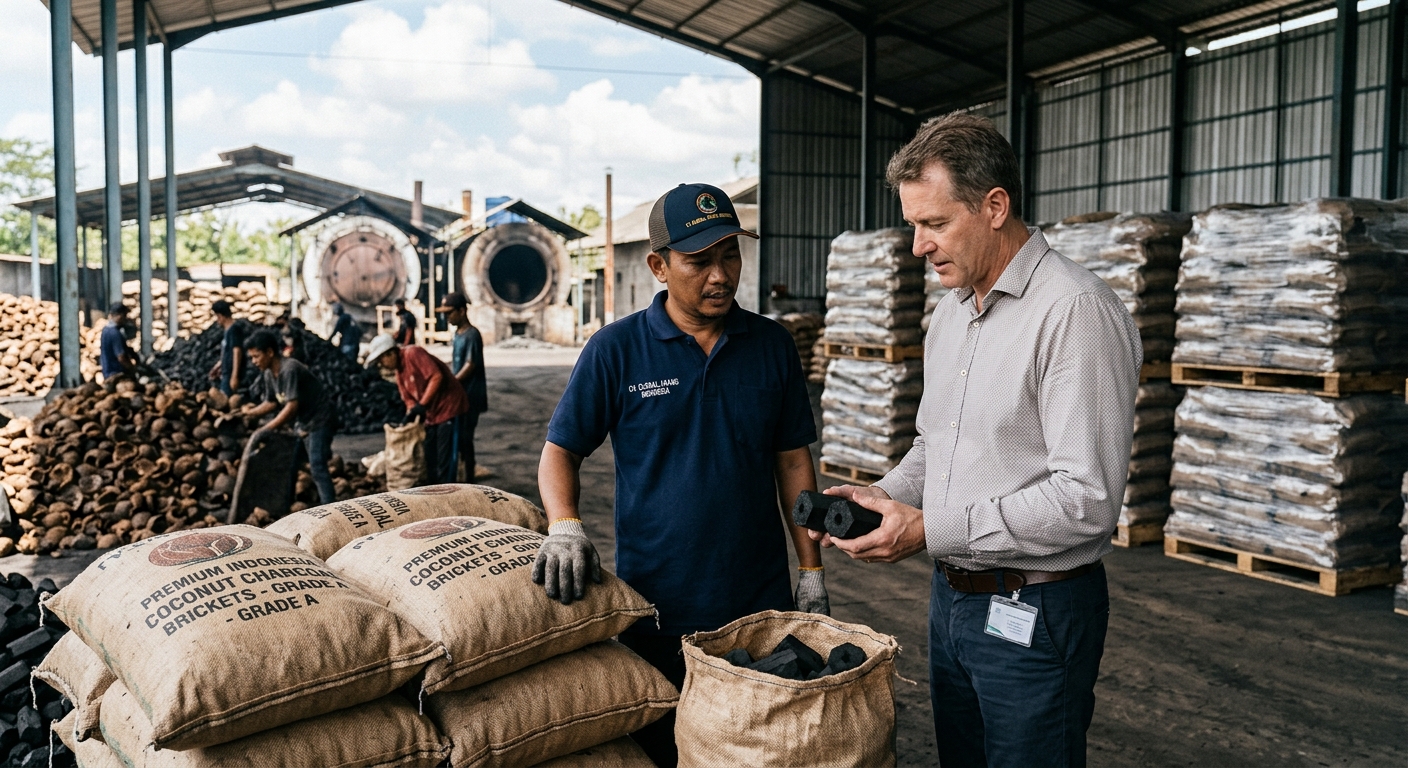
The process begins with collecting mature, dry coconut shells. These shells are cleaned and subjected to a carbonization process in kilns. The temperature and duration are tightly controlled to ensure a high carbon content and minimal volatile matter. Understanding the economics of this raw material is crucial for buyers. For detailed insights on market pricing and factors affecting raw materials, read about the Coconut Charcoal Price Per Ton: Market Analysis, Factors, and Sourcing Guide.
2. Crushing and Mixing
Once carbonized, the charcoal is crushed into a fine powder. This powder is then mixed with a natural binder, typically tapioca starch, and water. The ratio of binder to charcoal is critical; too much binder can affect the smell and burning time, while too little will result in fragile briquettes.
3. Molding and Cutting
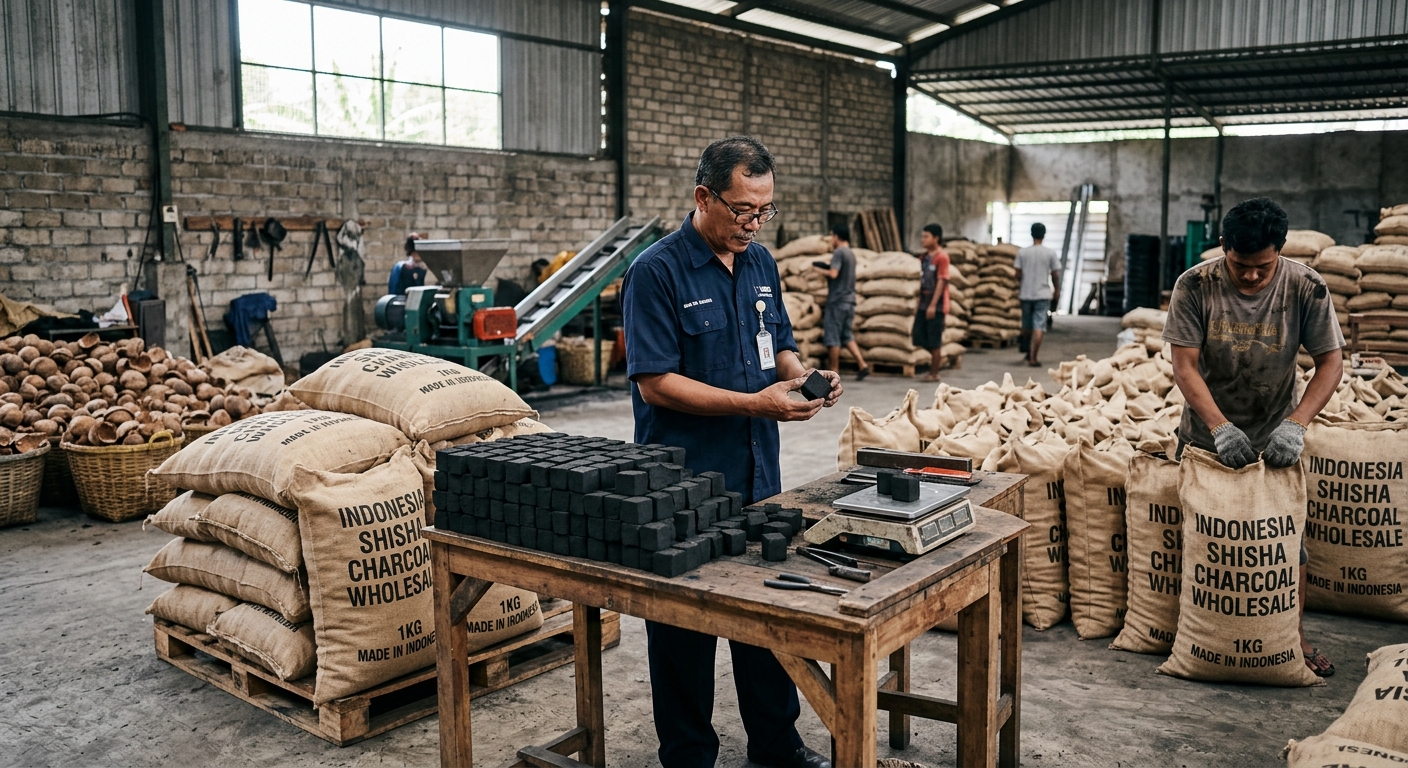
The mixture is extruded through heavy machinery to form long blocks, which are then precisely cut into desired shapes, such as cubes, flats, or hexagons. The standard cube size for hookah coals is generally 25mm or 26mm.
4. Drying and Quality Control
The freshly cut briquettes contain high moisture levels and must be dried in large industrial ovens. Proper drying prevents the coals from cracking during use. Following drying, rigorous quality control checks are performed to measure ash content, drop strength, and burn time.
Comparing Hookah Coal Shapes
Below is a comparison of the most popular shapes of Indonesian hookah coals available for wholesale buyers, detailing their typical burn times and primary use cases.
| Coal Shape | Standard Size (mm) | Approx. Burn Time (mins) | Primary Use Case |
|---|---|---|---|
| Cube | 25 x 25 x 25 | 90 – 110 | Standard hookah lounges and home use |
| Flat | 25 x 25 x 15 | 60 – 80 | Quick sessions and heat management devices |
| Hexagon | 20 x 50 | 100 – 120 | Long sessions and traditional setups |
How to Source Reliable Suppliers in Indonesia
Finding a trustworthy manufacturer is the most challenging aspect of importing wholesale hookah coals. It requires due diligence, clear communication, and often, sampling.
- Verify Factory Existence: Request video tours of the factory or hire a local agent to conduct an on-site inspection.
- Check Certifications: Ensure the supplier can provide a Material Safety Data Sheet (MSDS) and has experience exporting to your region.
- Request Samples: Always test samples before placing a bulk order. Evaluate the burn time, ash color (preferably white or light gray), and structural integrity.
- Understand Production Capacity: Confirm that the factory can meet your volume requirements consistently throughout the year.
For a deeper dive into securing a trustworthy partnership, check out this resource on Finding a Reliable Organic Coconut Shell Charcoal Supplier: A Comprehensive Guide.
Logistics and Shipping
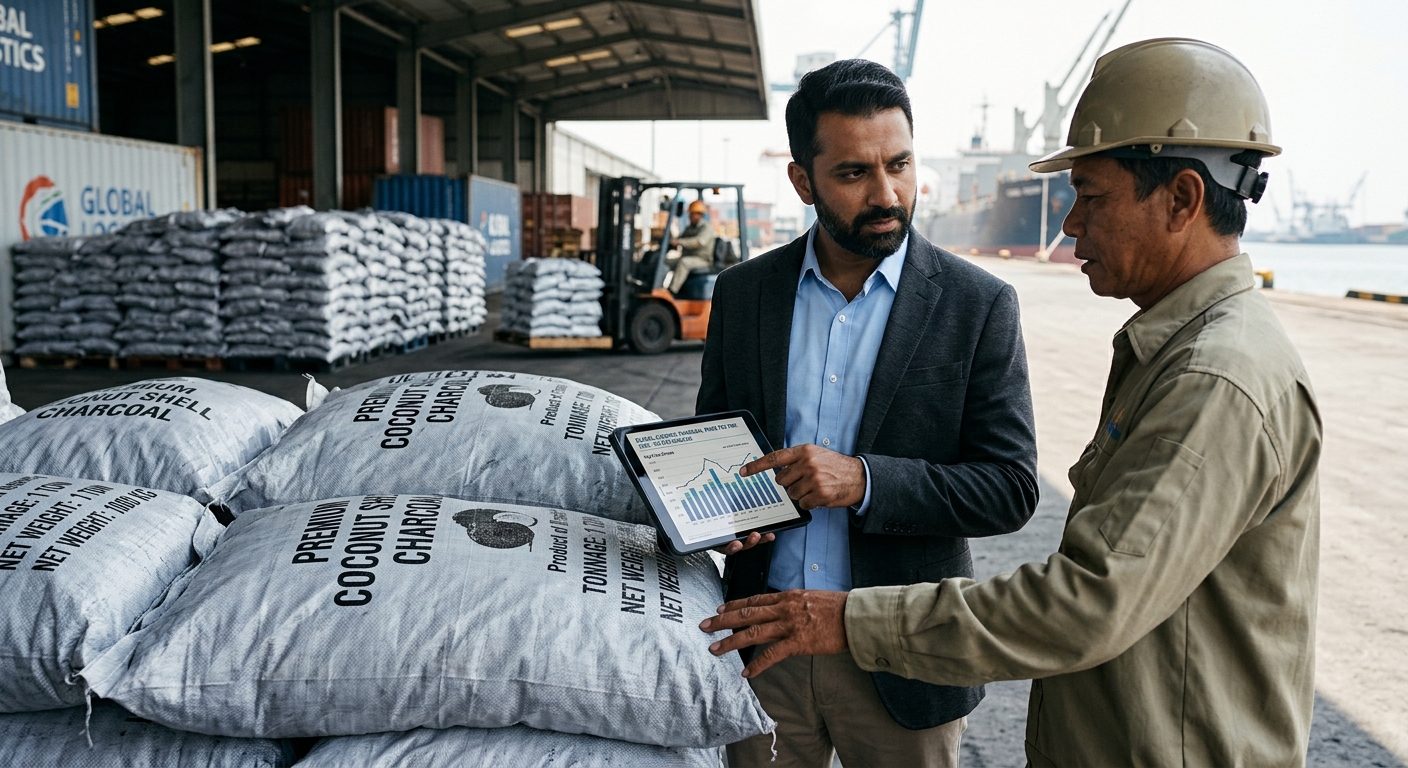
Importing charcoal requires specialized logistics because it is often classified as a dangerous good (flammable solid) by shipping lines. Buyers must ensure that their chosen supplier is proficient in handling Self-Heating (SHT) tests and possesses the necessary Vanning Certificates to comply with maritime regulations. Generally, a 20-foot container can hold approximately 18 tons of packaged hookah coal, while a 40-foot container can hold up to 26 tons.
Conclusion
Sourcing wholesale hookah coals from Indonesia offers immense opportunities for businesses looking to provide top-tier products to their customers. By understanding the manufacturing process, evaluating quality metrics, and partnering with transparent suppliers, importers can build a highly profitable and sustainable supply chain. With its unmatched resources and manufacturing expertise, Indonesia will undoubtedly remain the undisputed king of coconut charcoal for the foreseeable future.
Frequently Asked Questions
Why are coconut shell coals better for hookah than wood coals?
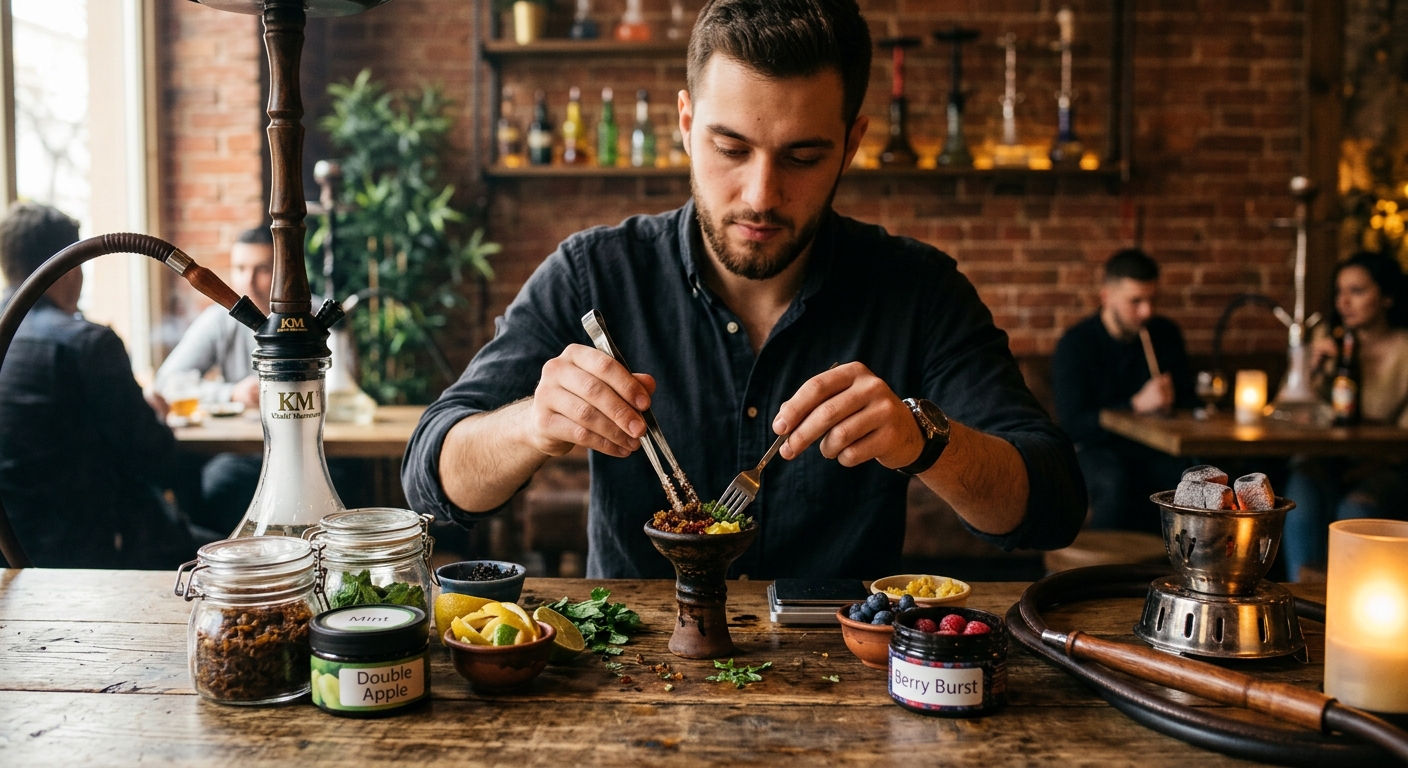
Coconut shell coals are vastly superior for hookah because they burn hotter, last significantly longer, and produce minimal ash. Most importantly, they are odorless and tasteless, ensuring they do not interfere with the flavor of the shisha tobacco.
What is the minimum order quantity (MOQ) for wholesale hookah coals from Indonesia?
The standard MOQ for factory-direct orders is usually one 20-foot shipping container, which holds roughly 18 metric tons. This is due to the logistical requirements and costs associated with exporting charcoal as a categorized good.
How can I test the quality of hookah coal samples?
To test quality, light the coal and observe how long it takes to fully ash over. Drop it from a height of about 1 meter onto a hard surface; high-quality coal should not shatter. Monitor the burn time, check for any foul odors, and observe the ash—it should be minimal and remain structurally attached to the coal as it burns.
Does weather in Indonesia affect coal production?
Yes, the rainy season in Indonesia (typically October to April) can slow down the sun-drying of raw coconut shells, potentially affecting supply and slightly increasing prices. However, reputable factories use industrial ovens to dry the final briquettes, mitigating major disruptions in the latter stages of production.