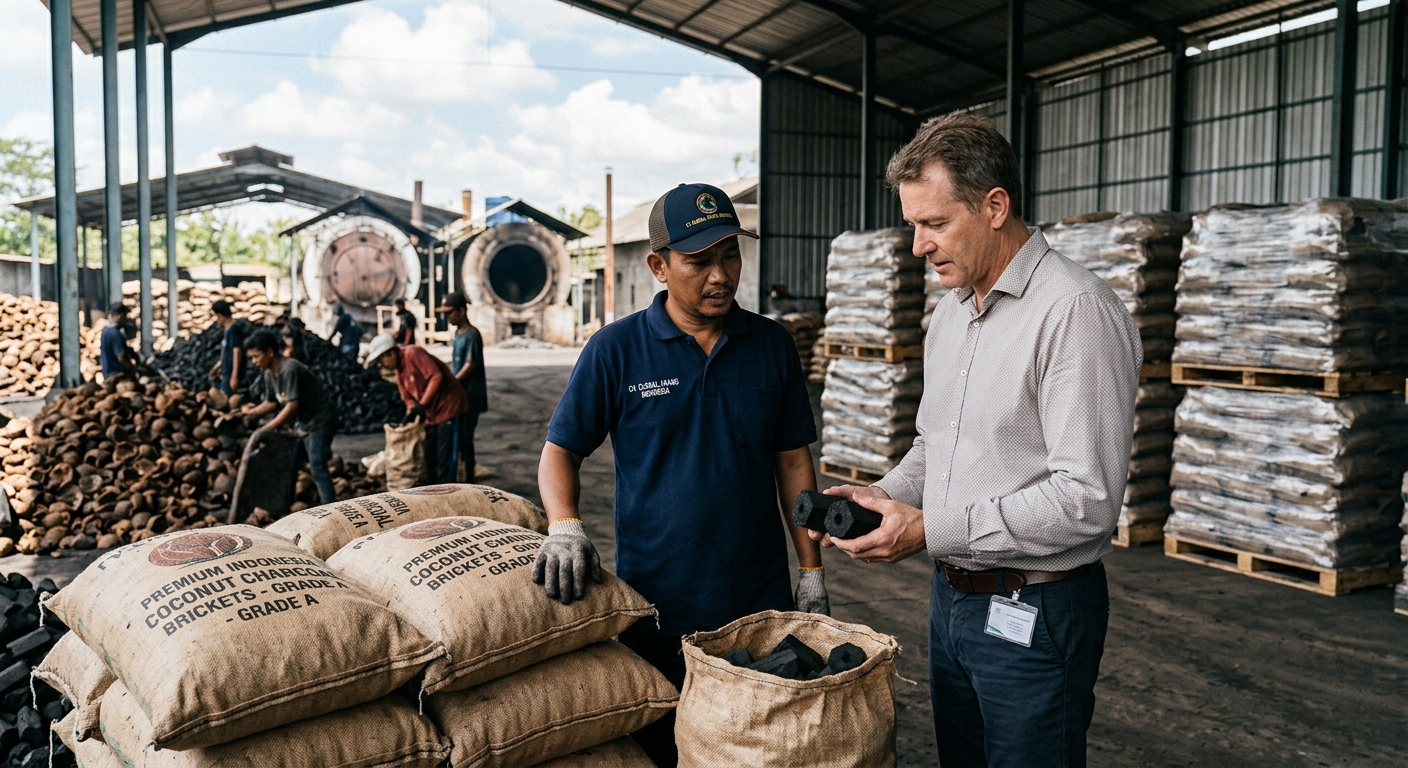
Introduction to Premium Indonesian Charcoal
Indonesia has long been recognized as the undisputed global leader in the production and exportation of premium coconut shell charcoal. Blessed with an abundance of coconut plantations and a climate perfectly suited for agricultural processing, the archipelago produces charcoal that is highly sought after by international markets. Whether you are in the shisha and hookah industry, the barbecue sector, or require industrial-grade carbon, partnering with a premium Indonesia charcoal supplier is crucial for obtaining products that offer high heat, low ash, and a clean, odorless burn. This article explores the numerous facets of the Indonesian charcoal industry, the benefits of coconut-based briquettes, and how to successfully navigate the procurement process.
Why Coconut Shell Charcoal?
Among the various types of charcoal available globally, coconut shell charcoal stands out due to its superior physical and chemical properties. Unlike hardwood charcoal or chemical-laden quick-light alternatives, premium coconut shell charcoal is manufactured from a 100% renewable resource. This makes it not only an environmentally sustainable option but also a high-performance one.
Premium coconut charcoal is characterized by its high fixed carbon content, which typically exceeds 75-80%. This high carbon density ensures a longer burning time, often lasting up to two hours or more depending on the size and shape of the briquette. Furthermore, it produces very minimal white ash (usually under 2.5%), which prevents the choking of the heat source and keeps the surrounding area clean. The absence of volatile chemicals means that the charcoal burns without emitting smoke, sparks, or odors, preserving the authentic flavor of whatever is being smoked or grilled.
The Manufacturing Process of a Premium Supplier
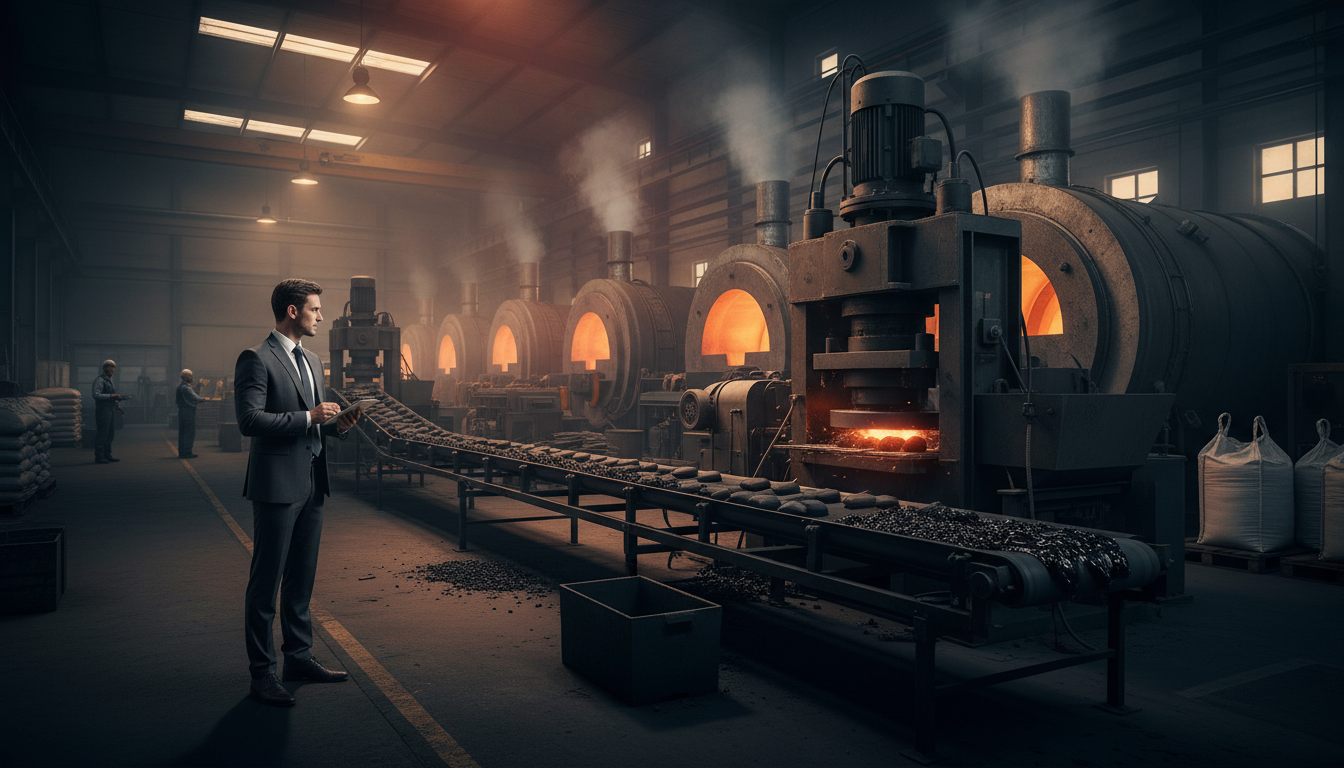
A premium Indonesia charcoal supplier employs rigorous manufacturing processes to guarantee the consistency and quality of their briquettes. The journey from raw coconut shell to a perfectly cubed briquette involves several critical stages:
- Sourcing and Carbonization: The process begins with the careful selection of mature, fully dried coconut shells. These shells are then carbonized in controlled kilns to remove moisture and volatile compounds, resulting in pure coconut shell charcoal.
- Crushing and Sieving: The carbonized shells are crushed into a fine powder. Premium suppliers utilize advanced sieving machinery to ensure the powder is uniform, as inconsistent particle sizes can lead to structural weaknesses in the final briquette.
- Mixing and Extrusion: The charcoal powder is mixed with a natural, food-grade binder, typically tapioca starch, and a precise amount of water. This mixture is then fed into extrusion machines that press the material into various shapes, such as cubes, flats, or hexagons.
- Drying and Quality Control: The wet briquettes are dried in massive industrial ovens to reduce the moisture content to below 5%. Extensive quality control tests, including drop tests and burn tests, are conducted to ensure the briquettes meet international export standards.
Identifying the Best B2B Charcoal Manufacturer
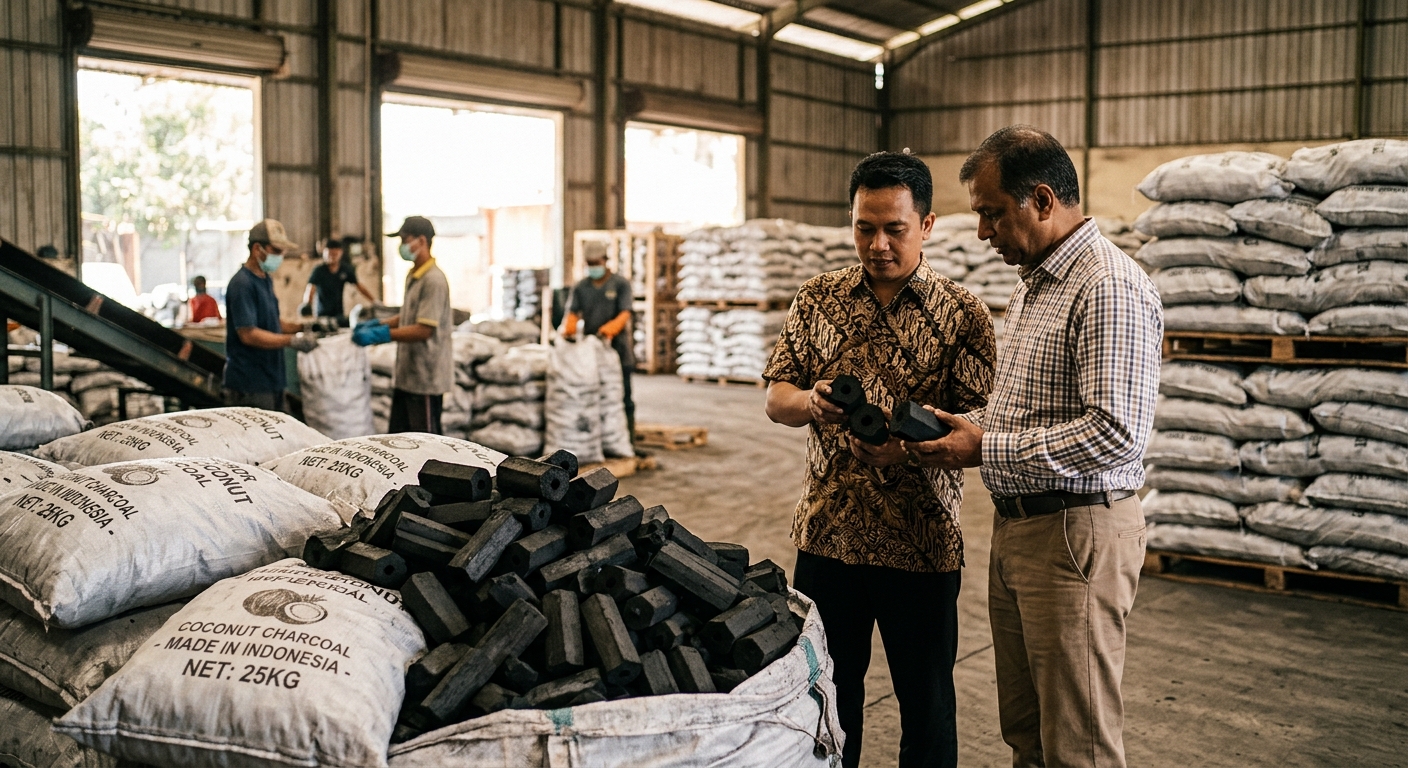
Sourcing charcoal on a commercial scale requires a strategic approach. The market is saturated with suppliers, but not all of them adhere to the strict quality control measures necessary to produce a premium product. When you are looking to import containers of charcoal, making the right choice is paramount for the reputation of your business.
For those navigating the complexities of bulk purchasing, reading Choosing the Right B2B Coconut Shell Charcoal Manufacturer: A Comprehensive Guide is highly recommended. This resource provides invaluable insights into evaluating factory certifications, understanding production capacities, and negotiating terms that protect your investment. Working with a reliable charcoal supplier ensures that you receive consistent shipments that match your approved samples, thereby avoiding costly supply chain disruptions and maintaining customer satisfaction.
Charcoal Specifications to Look For
When negotiating with a premium Indonesia charcoal supplier, you must understand the technical specifications that define quality. Below is a table outlining the ideal specifications for top-tier hookah charcoal:
| Specification | Ideal Percentage / Value | Why It Matters |
|---|---|---|
| Fixed Carbon | > 80% | Ensures high heat and a long-lasting burn. |
| Ash Content | < 2.5% | Prevents the heat from being smothered and keeps the bowl clean. |
| Moisture Content | < 5% | Allows for easier lighting and prevents cracking during combustion. |
| Volatile Matter | < 12% | Reduces smoke and eliminates foul odors during ignition. |
Applications of Premium Indonesian Charcoal
Shisha and Hookah
The primary market for premium Indonesian coconut charcoal is the global hookah industry. Enthusiasts demand a heat source that will not interfere with the delicate flavors of the shisha tobacco. Because coconut charcoal burns completely odorless and tasteless, it is the gold standard for this application. To maximize the smoking session, users must know how to prepare their setup properly. If you want to perfect your technique, check out How to Pack a Hookah Bowl: A Comprehensive Guide to ensure optimal airflow and heat distribution. Sometimes, enthusiasts find themselves without their usual equipment; in such cases, reading How to Light Coconut Charcoal Without a Stove: A Comprehensive Guide can save the session by providing safe and effective alternative ignition methods.
Barbecue and Culinary Grilling
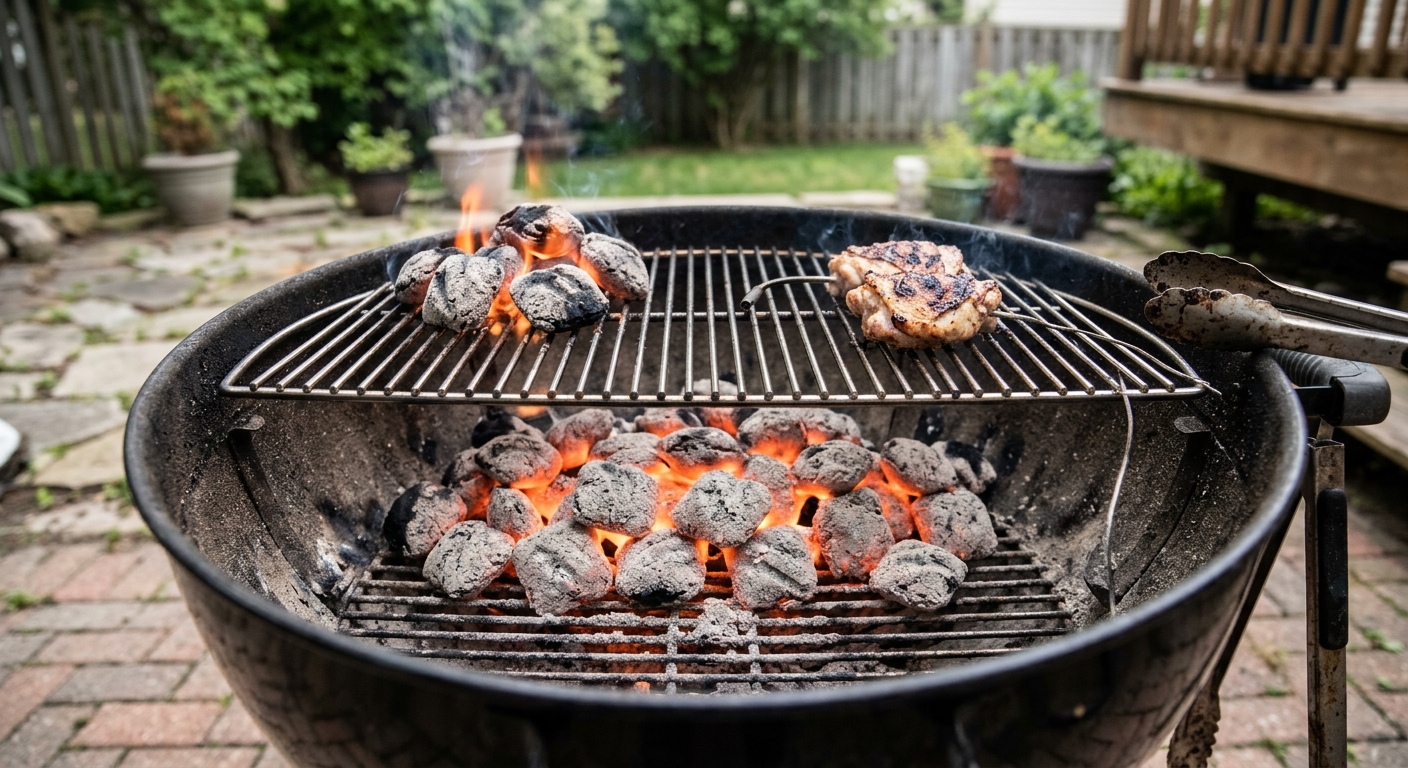
Beyond the hookah lounge, high-end restaurants and barbecue aficionados are increasingly turning to Indonesian coconut charcoal. The high, consistent heat is perfect for searing meats, while the long burn time is ideal for slow-cooking and smoking. Because it produces very little ash and no chemical smoke, it provides a much cleaner cooking environment compared to traditional lump charcoal or standard briquettes.
Sustainability and Environmental Impact
One of the most compelling reasons to choose coconut shell charcoal over alternative fuels is its positive environmental profile. Hardwood charcoal contributes to deforestation, whereas coconut charcoal utilizes a byproduct of the copra and coconut oil industries. By upcycling these discarded shells, a premium Indonesia charcoal supplier helps reduce agricultural waste and promotes a circular economy. Furthermore, reputable suppliers ensure that their operations do not involve illegal logging or harmful environmental practices, making coconut charcoal a guilt-free energy source for consumers worldwide.
Conclusion
Securing a partnership with a premium Indonesia charcoal supplier can dramatically elevate your product offerings, whether you operate in the hookah, barbecue, or industrial sectors. The unparalleled quality of Indonesian coconut shell charcoal—characterized by its high heat, low ash, and eco-friendly origins—makes it the superior choice in the global market. By understanding the manufacturing process, knowing what specifications to demand, and leveraging comprehensive guides to select the right B2B partner, your business can ensure a steady, reliable supply of the world’s best charcoal.
Frequently Asked Questions (FAQ)
What makes Indonesian coconut charcoal better than wood charcoal?
Indonesian coconut charcoal has a much higher density and fixed carbon content than most wood charcoal. This allows it to burn longer, hotter, and with significantly less ash. Additionally, it is sustainable because it is made from coconut shells, an agricultural byproduct, rather than cut-down trees.
How do I verify the quality of a premium Indonesia charcoal supplier?
You can verify a supplier’s quality by requesting laboratory test reports (such as SGS or Sucofindo certificates) that detail the carbon, ash, and moisture content of their products. It is also crucial to request physical samples to conduct your own burn, drop, and odor tests before committing to a bulk order.
Can coconut charcoal be used for both hookah and BBQ?
Yes, coconut charcoal is incredibly versatile. While the hookah industry typically requires small, precisely cut cubes or flats for manageable heat, the barbecue industry often uses larger hexagonal or cylindrical briquettes. The underlying material is the same, offering clean, odorless, and long-lasting heat for both applications.
One thought on “The Ultimate Guide to Finding a Premium Indonesia Charcoal Supplier”