Introduction to Hookah Charcoal Shapes
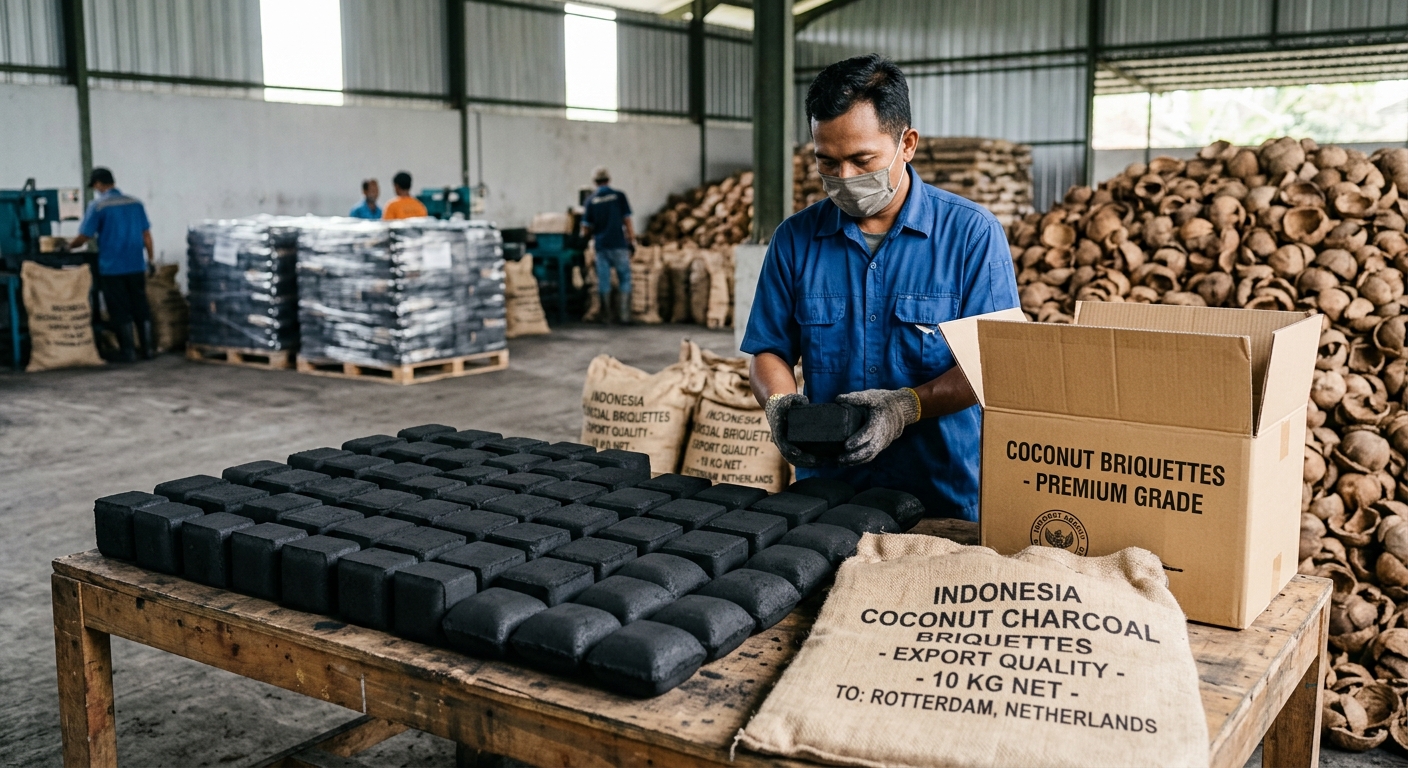
Choosing the right hookah charcoal is essential for a premium smoking experience. While the quality of the raw material, usually coconut shells, plays a significant role, the physical shape of the charcoal is just as important. In the hookah community, the debate between cube and hexagonal charcoal is ongoing. Both shapes have their unique benefits and drawbacks regarding heat distribution, longevity, and ease of use. This comprehensive guide will explore the nuances of cube versus hexagonal hookah charcoal, helping you make an informed decision for your next session.
Understanding Cube Hookah Charcoal
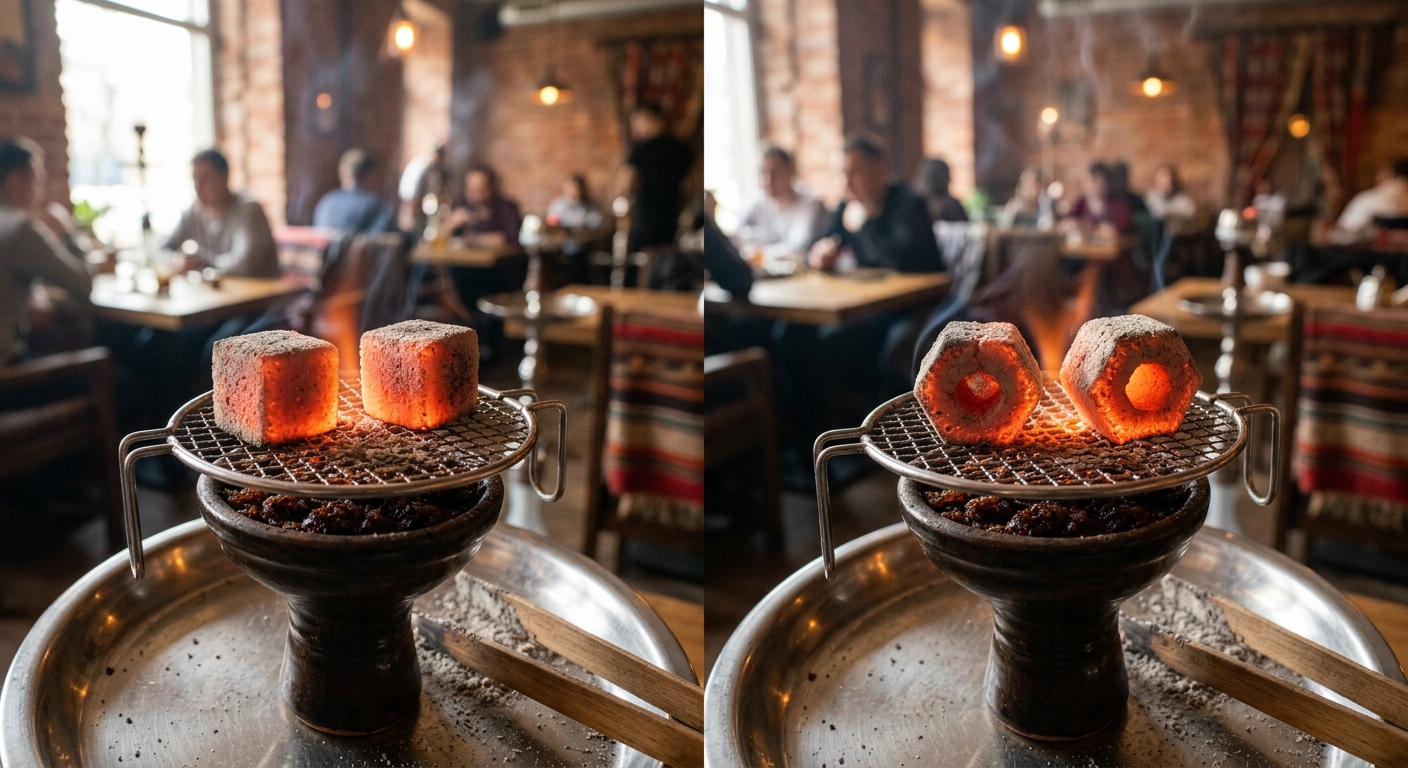
Cube charcoal is arguably the most traditional and widely used shape in the modern hookah world. Measuring typically 25mm x 25mm x 25mm, though sizes like 22mm and 26mm are also common, cubes provide a stable and predictable heat source.
Advantages of Cube Charcoal
- Stability: The flat sides of cube charcoal mean they sit securely on your foil or heat management device (HMD). They are less likely to roll off or shift when you move the hookah.
- Consistent Heat: Due to their uniform shape, cubes burn evenly, providing a steady temperature for your shisha.
- Longevity: Cubes generally have a solid mass that allows them to burn slowly, making them excellent for longer sessions. For an in-depth look at this, check out our guide on Cube vs Hexagonal Hookah Charcoal Burn Time: A Comprehensive Guide.
Disadvantages of Cube Charcoal
- Ash Management: Because of the flat bottom, ash can build up underneath the cube, potentially suffocating the heat. Frequent ashing is often required.
- Airflow: The flat surface resting on foil can restrict airflow to the bottom of the coal, leading to uneven burning if not rotated regularly.
Exploring Hexagonal Hookah Charcoal
Hexagonal or “finger” charcoal is characterized by its six-sided cylindrical shape. It is typically longer and has a smaller diameter compared to cubes. This shape has gained popularity among enthusiasts looking for precise heat control.
Advantages of Hexagonal Charcoal
- Better Airflow: The hexagonal shape means less surface area is in direct contact with the foil or HMD. This allows better airflow around the coal, keeping it lit longer without needing frequent flipping.
- Easy Temperature Control: Because they cover a different surface area, you can easily roll hexagonal coals toward or away from the center of the bowl to adjust the heat. This is crucial when learning How to Pack a Hookah Bowl for Thick Clouds: The Ultimate Guide, as proper heat management is key to perfect clouds.
- Less Ash Interference: The shape allows ash to fall away more naturally, maintaining better contact between the hot coal and the bowl.
Disadvantages of Hexagonal Charcoal
- Rolling Risk: The main drawback is their tendency to roll. If the hookah is bumped, hexagonal coals can easily roll off the bowl, posing a burn hazard.
- Inconsistent Sizing: Depending on the brand, hexagonal coals can vary slightly in length, which might require breaking them for optimal placement.
Comparing Heat Output and Burn Time
When comparing heat output, cubes tend to offer a higher, more intense heat initially due to their larger mass. This makes them ideal for modern shisha brands that require substantial heat to get started. However, this intense heat requires careful management to avoid burning the tobacco.
Hexagonal coals offer a more moderate, sustained heat. They are excellent for delicate tobaccos that can easily scorch under intense heat. The burn time for both can be quite similar depending on the brand and density of the coconut shell used. If you are a vendor looking to stock up on different shapes, understanding the cost implications is vital. Read our Premium Hookah Charcoal Factory Price: A Guide for Wholesalers for more details on sourcing.
Which Shape is Right for You?
The choice between cube and hexagonal charcoal ultimately comes down to personal preference, the type of tobacco you smoke, and your setup.
| Feature | Cube Charcoal | Hexagonal Charcoal |
|---|---|---|
| Shape | Square, flat sides | Six-sided cylinder |
| Stability | Excellent (won’t roll) | Poor (prone to rolling) |
| Airflow | Moderate (needs flipping) | Excellent |
| Heat Output | High, intense | Moderate, consistent |
| Best For | Heat Management Devices (HMDs), modern tobacco | Foil setups, delicate tobacco |
If you primarily use an HMD, cubes are generally the better choice as they fit perfectly and provide the intense heat required to warm up the metal device. If you prefer traditional foil setups and want easier heat management by moving coals around the rim, hexagonal coals are fantastic. For high-quality charcoal options in both shapes, visit our recommended premium charcoal supplier to elevate your sessions.
Conclusion
Both cube and hexagonal hookah charcoal offer distinct advantages for the discerning smoker. Cube charcoal provides stability, longevity, and high heat output, making it the go-to for HMD users and thick cloud chasers. Hexagonal charcoal excels in airflow and precise heat management, perfect for foil setups and delicate shisha blends. By understanding the characteristics of each, you can tailor your heat management strategy to perfectly suit your packing method and bowl choice, ensuring a smooth, flavorful, and long-lasting hookah session every time.
Frequently Asked Questions
Can I use hexagonal charcoal in a Heat Management Device (HMD)?
While you can use hexagonal charcoal in an HMD, it is not always optimal. Their shape can make them awkward to fit inside the circular chamber of most HMDs, and they may not provide the concentrated heat that HMDs are designed to distribute. Cubes are generally recommended for HMDs.
How long do cube coals typically last compared to hexagonal coals?
Generally, a standard 25mm cube coal can last anywhere from 60 to 90 minutes depending on your smoking pace and airflow. Hexagonal coals typically have a similar burn time, but because they have better airflow, they might burn slightly faster but more consistently without requiring as much interaction.
Which charcoal shape produces more ash?
Both shapes produce similar amounts of ash if they are made from the same quality coconut shells. However, hexagonal coals tend to manage their ash better on foil, allowing it to fall away rather than getting trapped underneath, which happens often with the flat bottom of cube coals.