Introduction to Coconut Charcoal Briquettes Exporting
As global demand for sustainable and high-quality fuel alternatives continues to rise, the role of a reliable coconut charcoal briquettes exporter becomes increasingly vital. Coconut charcoal briquettes, derived from the shells of coconuts, offer a remarkable eco-friendly alternative to traditional wood charcoal. They burn hotter, last longer, and produce significantly less ash and smoke, making them the preferred choice for both culinary applications, such as barbecue grilling, and recreational uses like shisha and hookah smoking.
The Manufacturing Process of Coconut Charcoal
Understanding the manufacturing process is crucial for anyone looking to source high-quality products. It begins with the careful selection of mature coconut shells, which are then cleaned and dried. The shells undergo a carbonization process in controlled kilns to ensure optimal carbon content. Once carbonized, the charcoal is crushed into a fine powder, mixed with a natural binder (usually tapioca starch), and compressed into various shapes and sizes, such as cubes, hexagons, or fingers. A rigorous drying process follows to reduce moisture content to the bare minimum, ensuring consistent burning characteristics.
Why Source from Indonesia?
Indonesia is recognized globally as the premier hub for coconut production, thanks to its vast archipelagos and ideal tropical climate. This abundance of raw materials translates directly into a robust charcoal manufacturing industry. For businesses seeking the highest quality standards, learning about The Ultimate Guide to Finding a Premium Indonesia Charcoal Supplier is essential. Indonesian exporters have perfected the balance of quality, consistency, and competitive pricing, making them the top choice for international buyers.
Quality Indicators for Buyers
When evaluating a coconut charcoal briquettes exporter, several quality metrics must be considered:
- Ash Content: Premium briquettes should have an ash content of less than 3%, leaving a white or light grey residue.
- Moisture Content: Must be below 5% to ensure quick ignition and sustained high heat.
- Volatile Matter: Lower volatile matter ensures a smokeless and odorless burn.
- Fixed Carbon: High fixed carbon (above 75%) guarantees longer burning times and higher heat output.
- Drop Test: A durability test where briquettes are dropped to ensure they do not shatter easily during transport.
Applications of Coconut Charcoal Briquettes
Shisha and Hookah
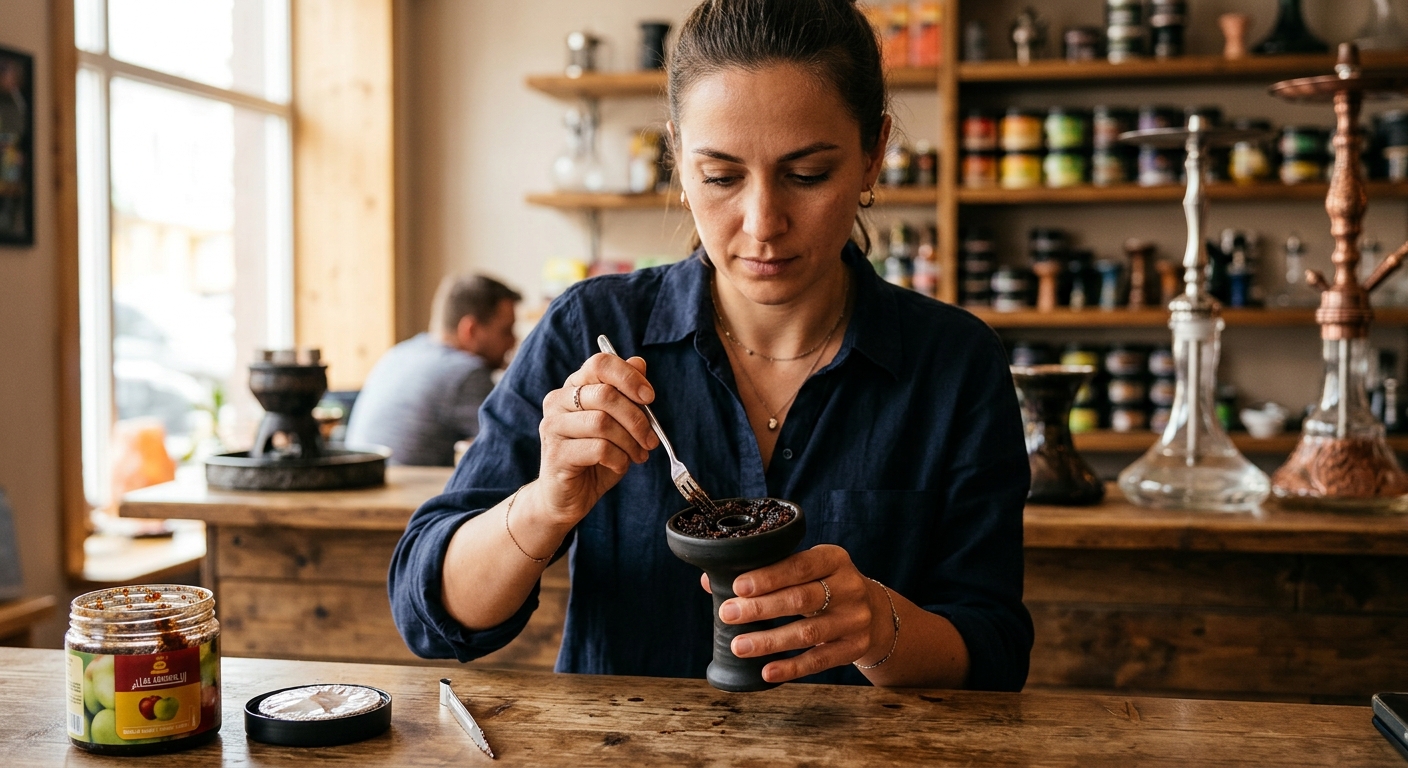
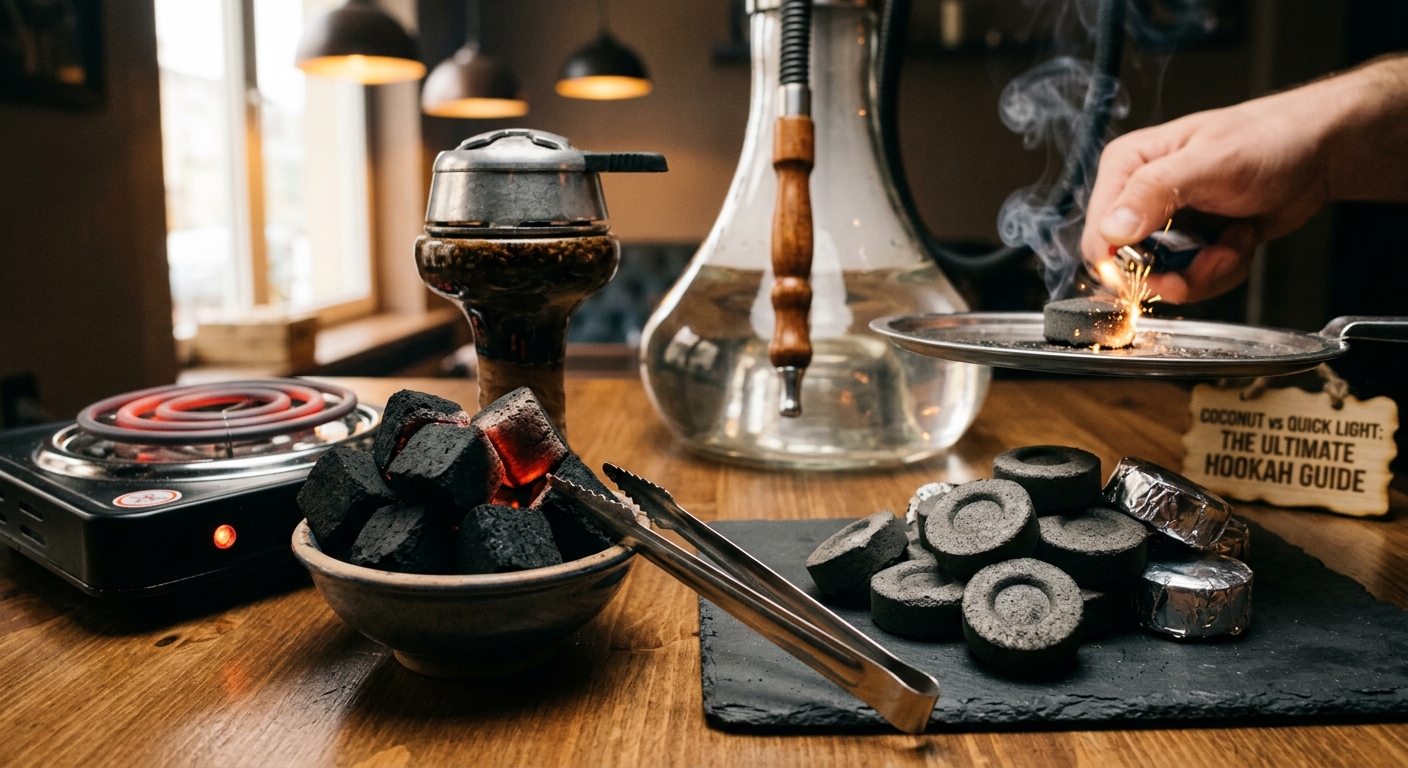
In the world of hookah, the quality of charcoal dictates the smoking experience. Coconut charcoal cubes are highly sought after because they do not interfere with the flavor of the tobacco. For lounge owners and enthusiasts looking to optimize their sessions, understanding heat control is paramount. You can refer to The Ultimate Shisha Heat Management Guide for Professionals for in-depth strategies on maintaining perfect temperatures.
Barbecue and Grilling
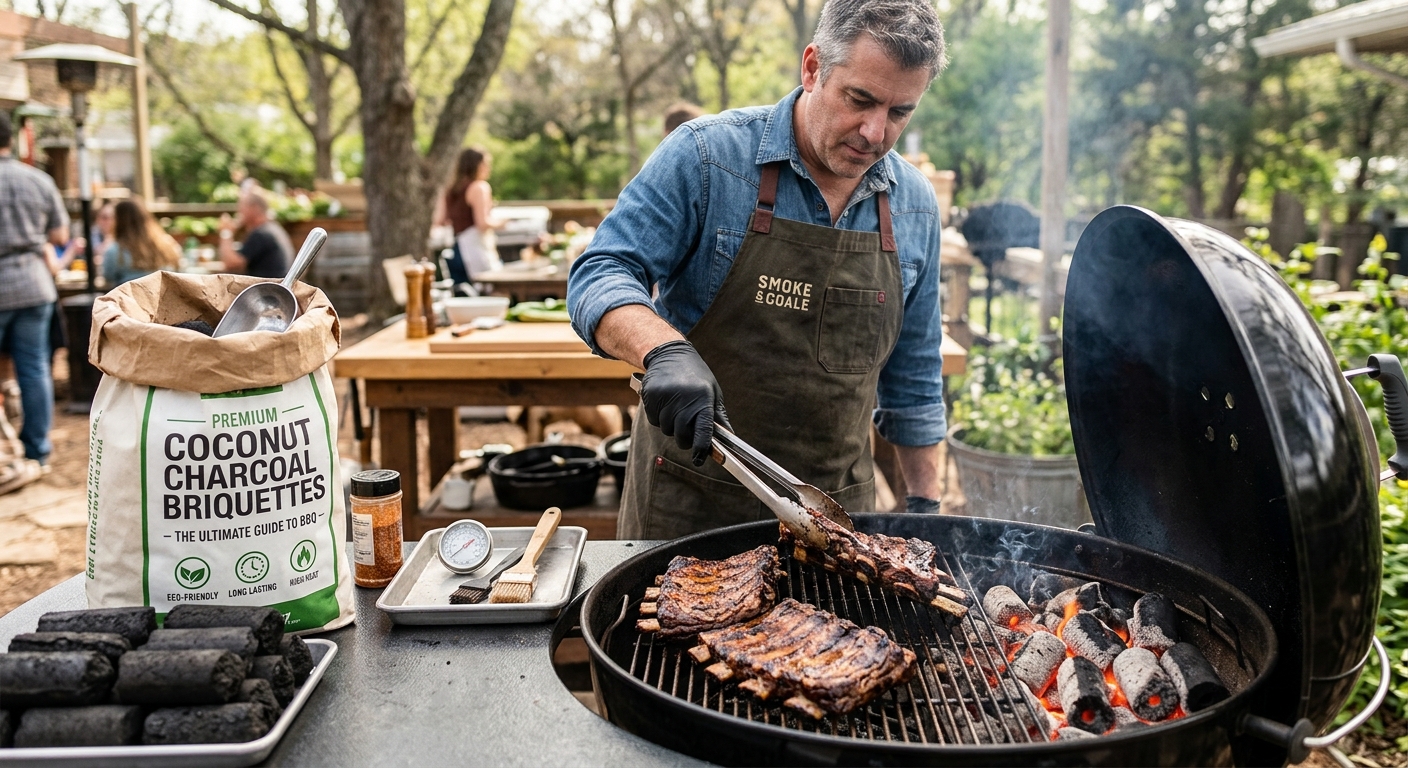
For culinary experts and barbecue enthusiasts, coconut charcoal provides a steady, high-heat burn that sears meat perfectly without imparting unwanted chemical flavors. Hexagonal briquettes are particularly popular in commercial kitchens and BBQ restaurants due to their extended burn time and structural integrity.
Logistics and Exporting Procedures
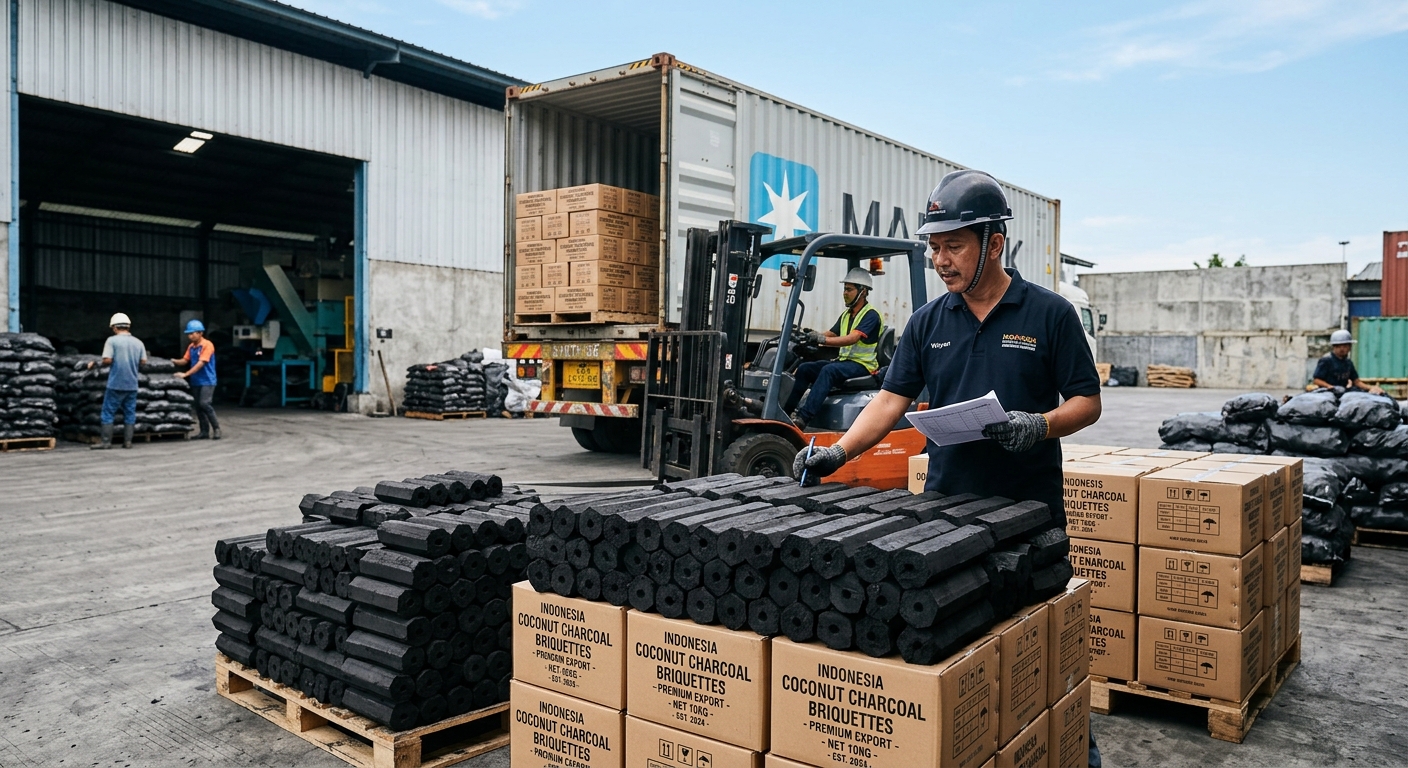
A professional exporter handles the complex logistics of international shipping with expertise. This includes securing the necessary certifications, such as MSDS (Material Safety Data Sheet) and SHT (Self-Heating Test), to comply with international maritime regulations. Charcoal is classified as a potentially hazardous material, so choosing an exporter experienced in customs clearance, container stuffing, and maritime compliance is critical to avoiding delays and ensuring safe transit.
Sustainability and Eco-Friendliness
One of the strongest selling points of coconut charcoal is its environmental sustainability. Unlike traditional lump charcoal, which contributes to deforestation, coconut charcoal utilizes an agricultural by-product (the shell) that would otherwise be discarded. This sustainable closed-loop cycle provides economic support to local farming communities while offering global consumers a guilt-free fuel source.
Conclusion
Partnering with a reputable coconut charcoal briquettes exporter is a strategic move for businesses aiming to supply premium, sustainable fuel to their markets. By prioritizing quality metrics, understanding the manufacturing and logistical processes, and leveraging the unparalleled resources of top-producing nations like Indonesia, buyers can ensure a consistent and profitable supply chain. As the market shifts towards eco-friendly alternatives, coconut charcoal stands out as the superior choice for both shisha and barbecue applications.
Frequently Asked Questions
What makes coconut charcoal better than wood charcoal?
Coconut charcoal burns hotter, lasts longer, and produces less ash and smoke compared to traditional wood charcoal. It is also more environmentally friendly since it uses coconut shells rather than cutting down trees.
How long do coconut charcoal briquettes burn?
Depending on the size and shape, high-quality coconut charcoal briquettes can burn for 1.5 to 2.5 hours for shisha cubes, and up to 4-5 hours for larger barbecue briquettes.
Why are certifications important when importing charcoal?
Certifications like MSDS and SHT are legally required for international shipping to prove the charcoal is safe for transport and not prone to spontaneous combustion, ensuring smooth customs clearance.
Can coconut charcoal be used indoors?
While it produces minimal smoke and carbon monoxide compared to other charcoals, it still consumes oxygen and emits some CO. It should only be used in well-ventilated areas or specialized indoor setups designed for safe use.