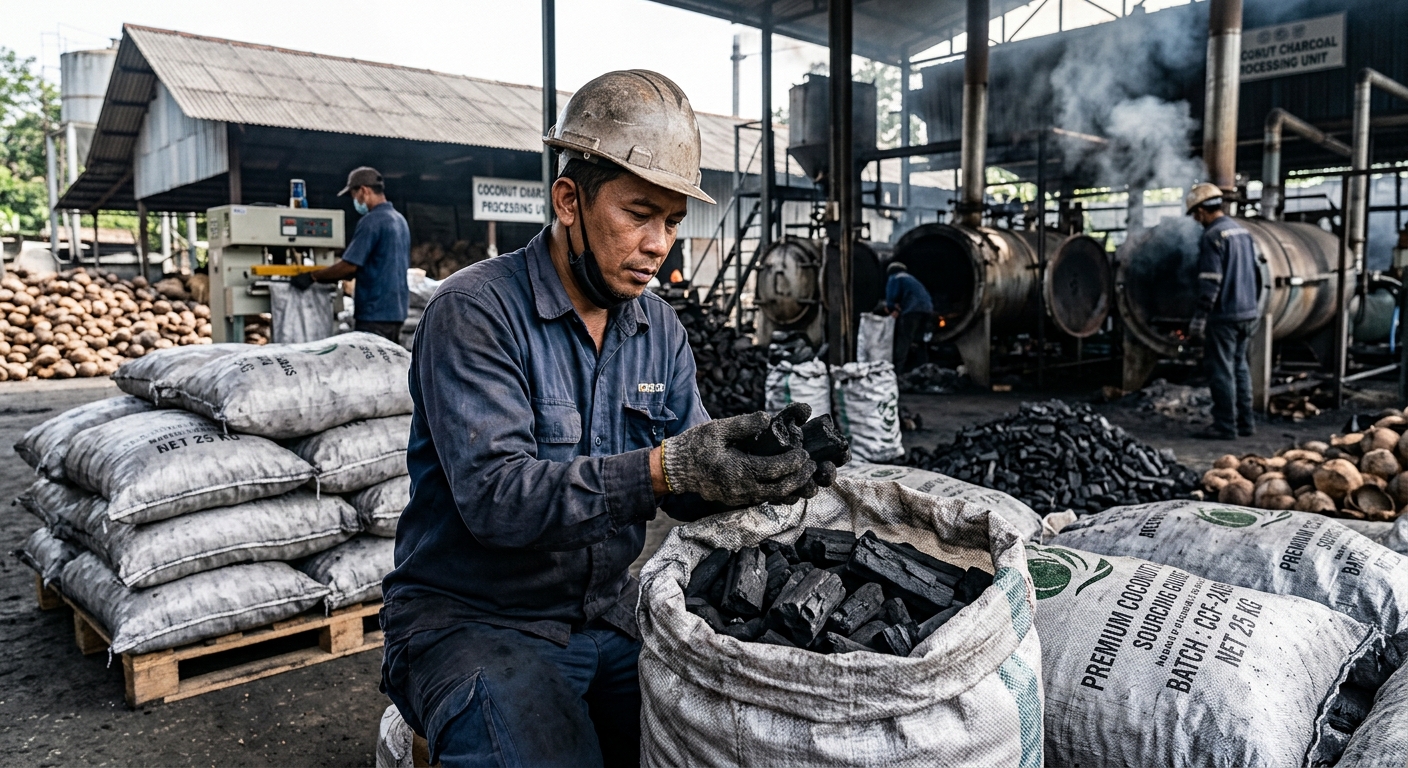
Introduction to Sourcing Coconut Charcoal
As the global demand for sustainable and high-quality charcoal continues to rise, businesses and enthusiasts alike are turning their attention to coconut shell charcoal. Known for its clean burn, high heat output, and minimal ash production, coconut charcoal has become the gold standard for shisha and barbecue applications. Sourcing this premium product directly from a factory offers numerous advantages, including better quality control, competitive pricing, and customized packaging options. This comprehensive guide will walk you through the nuances of sourcing coconut charcoal from a factory, ensuring you make informed decisions for your business.
The Benefits of Coconut Charcoal
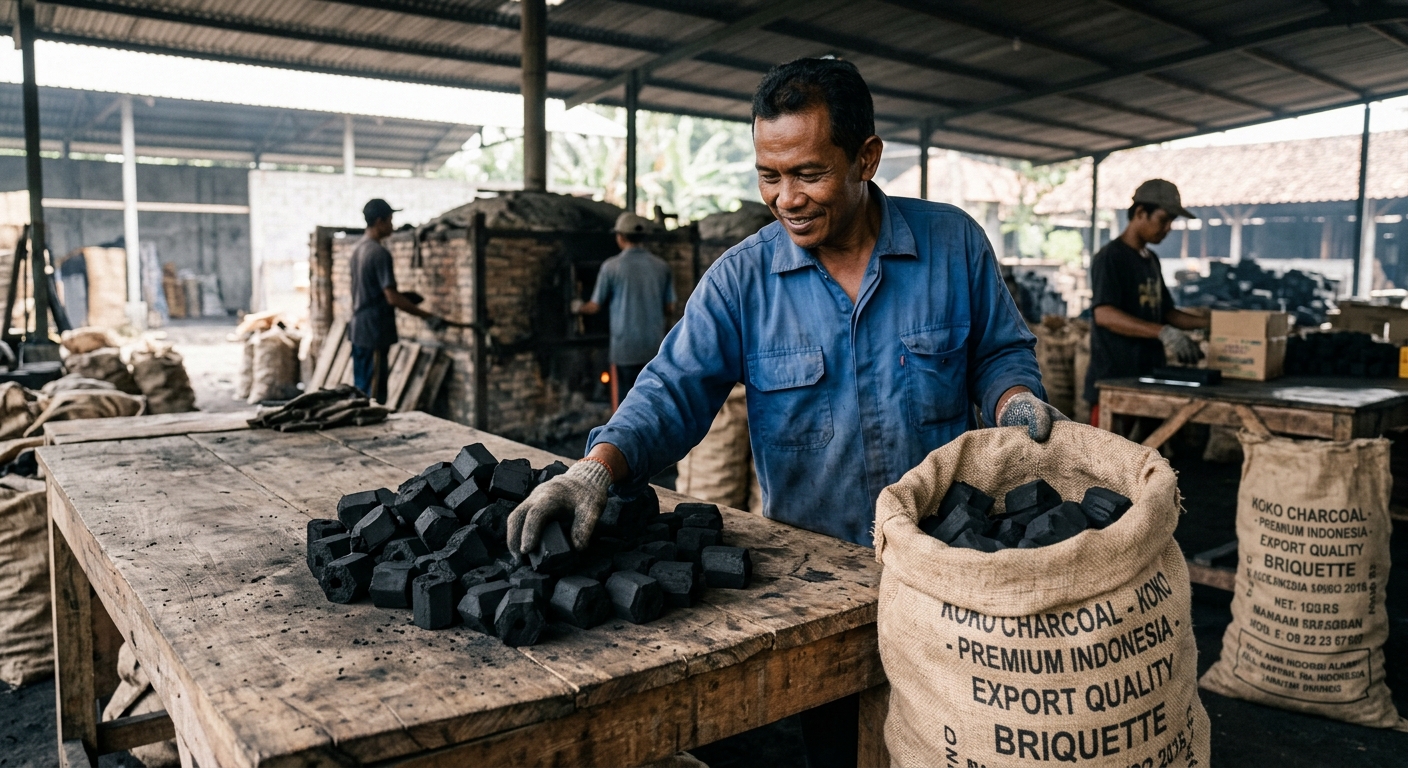
Before diving into the sourcing process, it is crucial to understand why coconut charcoal is highly sought after. Unlike traditional wood charcoal, coconut charcoal is an eco-friendly alternative. It is produced from the discarded shells of coconuts, meaning no trees are cut down in the process. Furthermore, it boasts a higher carbon content, which translates to a longer, hotter, and more consistent burn.
For shisha lounges and enthusiasts, the lack of chemical additives means the true flavor of the tobacco can shine through. If you are interested in maximizing your shisha experience, you might want to read about How to Pack a Hookah Bowl: A Comprehensive Guide for the Perfect Smoke. This highlights the importance of pairing good packing techniques with premium coconut charcoal.
Identifying Reliable Factories
Finding a trustworthy factory is the most critical step in sourcing coconut charcoal. The majority of high-quality coconut charcoal is produced in Southeast Asian countries, particularly Indonesia, the Philippines, and Vietnam, due to their abundant coconut plantations.
Key Factors to Consider
- Production Capacity: Ensure the factory can meet your volume requirements consistently.
- Quality Control Protocols: Ask about their carbonization and briquetting processes. Do they sift the raw materials to remove impurities?
- Certifications: Look for ISO certifications and specific industry testing reports (like SGS or Intertek) verifying moisture, ash, and carbon content.
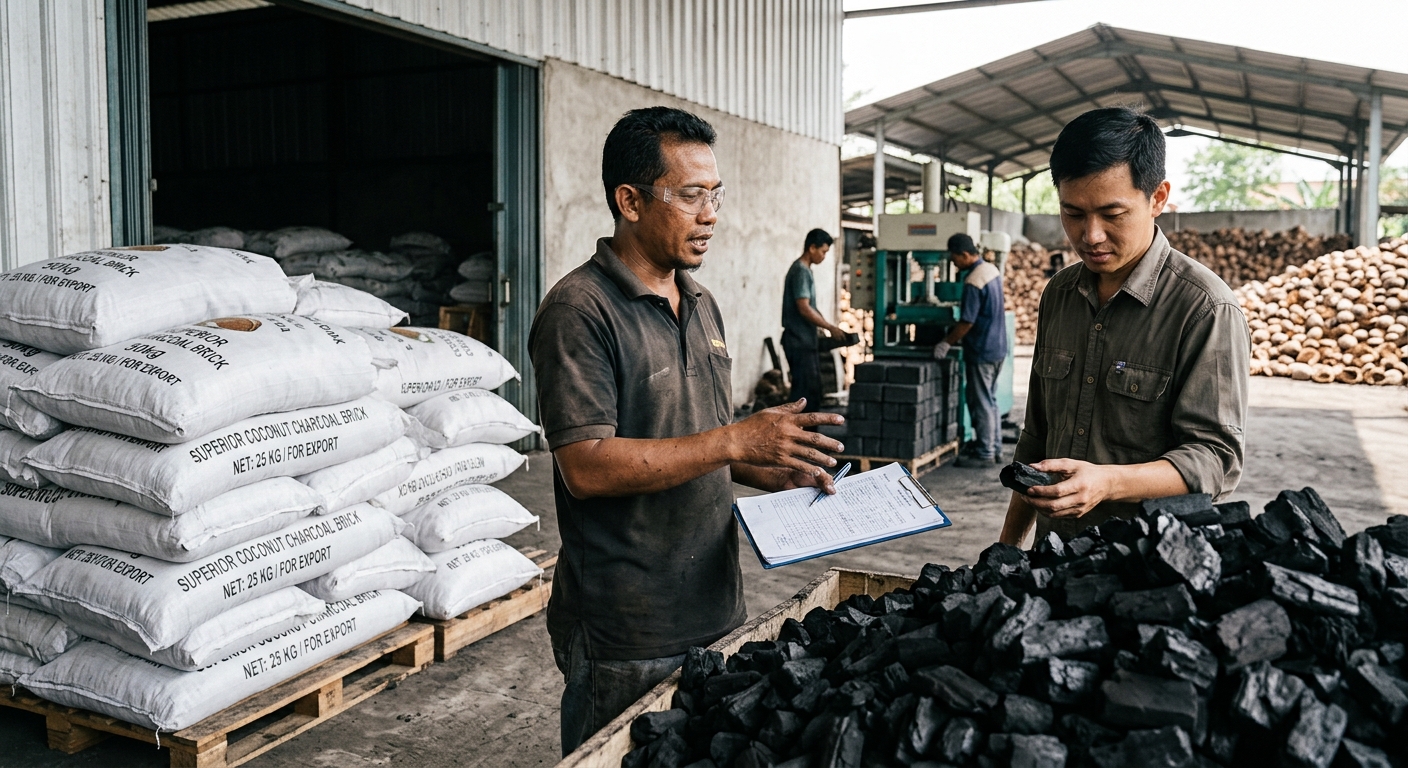
- Sample Testing: Always request samples before placing a bulk order. Test the samples for burn time, heat output, ash color, and structural integrity.
Understanding Specifications and Pricing
When negotiating with factories, you need to understand the technical specifications that dictate the price and quality of the charcoal. The most critical metrics are fixed carbon, moisture content, volatile matter, and ash content. Premium coconut charcoal typically features a fixed carbon content above 80%, moisture below 5%, and ash content below 2.5%.
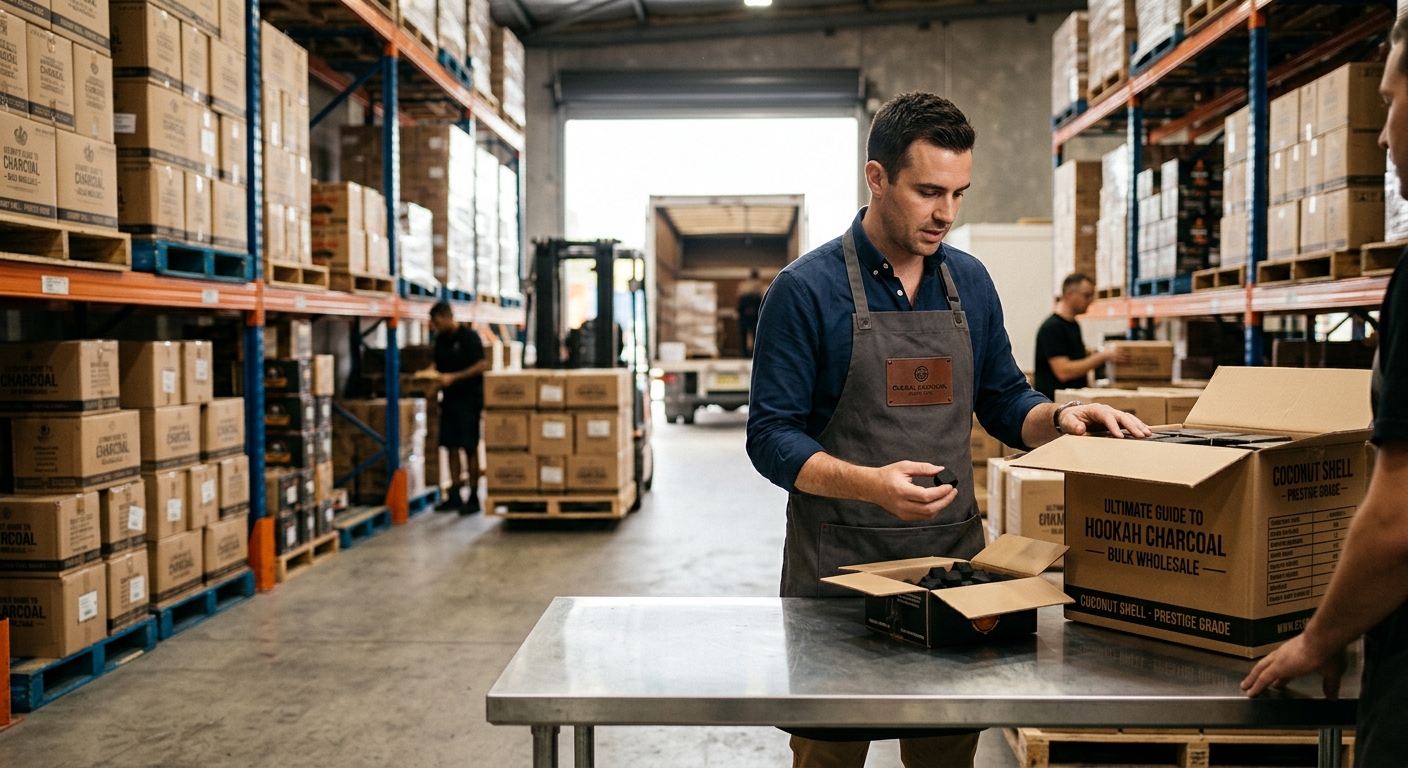
Pricing can fluctuate based on raw material availability, shipping costs, and seasonal weather patterns affecting the drying process. To gain a deeper understanding of the financial aspects, review this in-depth resource on Coconut Charcoal Price Per Ton: Market Analysis, Factors, and Sourcing Guide. This will help you benchmark the quotes you receive from various suppliers.
Comparing Charcoal Shapes and Sizes
Coconut charcoal factories produce briquettes in various shapes tailored to specific uses. Below is a comparison of common shisha charcoal shapes and their typical burn characteristics.
| Shape | Dimensions (mm) | Average Burn Time (Mins) | Primary Use |
|---|---|---|---|
| Cube | 25 x 25 x 25 | 90 – 120 | Shisha / Hookah |
| Flat | 25 x 25 x 15 | 60 – 80 | Short Shisha Sessions |
| Hexagonal | 20 x 50 | 100 – 150 | BBQ / Grilling |
Logistics and Shipping
Shipping coconut charcoal involves specific logistical challenges. Because charcoal is a combustible material, it is often classified as a Dangerous Good (DG) under maritime shipping regulations, specifically requiring a Self-Heating Test (Class 4.2). Ensure your factory has experience navigating these regulations and possesses the necessary Material Safety Data Sheets (MSDS) and Vanning Certificates to avoid delays at the port.
Conclusion
Sourcing coconut charcoal directly from a factory can significantly improve your profit margins and product quality. By understanding the manufacturing process, verifying quality specifications, and partnering with experienced and compliant factories, you can establish a reliable supply chain. Whether you are importing for a retail brand, a distribution network, or commercial use, due diligence is the key to success in the competitive coconut charcoal market.
Frequently Asked Questions
What is the minimum order quantity (MOQ) when buying from a factory?
Most reputable coconut charcoal factories require a minimum order of one 20-foot container, which typically holds around 18 metric tons of packaged charcoal. Some may accept smaller trial orders depending on production schedules.
How do I test the quality of a coconut charcoal sample?
You can test the quality by lighting the briquette and observing the ignition time, the color of the ash (premium ash is usually white or light gray), the amount of smoke or smell (should be zero), and the structural integrity (it should not crack or shatter when dropped from a low height after heating).
Why is Indonesian coconut charcoal so popular?
Indonesia is one of the world’s largest producers of coconuts. The climate and soil conditions yield coconut shells that are exceptionally dense and hard, which translates to a higher fixed carbon content and a superior final charcoal product.
One thought on “Sourcing Coconut Charcoal From Factory: A Comprehensive Guide”