Great grilling starts with great fuel. The right choice can make the difference between a good meal and a memorable feast. As expert Timothy Woods highlighted in his updated 2026 buyer’s guide, selecting the proper fuel is essential for capturing that perfect smoke and flavor.
This guide explores the market to find solutions that deliver a high-quality backyard BBQ experience. You don’t have to overspend to get reliable performance from your grill.
We analyze the best charcoal choices by looking at key performance metrics. Burn time, temperature consistency, and ash production are all critical factors for any serious grilling session.
Understanding the differences between various fuel types is your first step toward mastery. It directly improves your cooking results and overall satisfaction.
Our comprehensive review helps you navigate to find reliable briquettes that offer real value. For those seeking a premium fuel supplier, Oxicarbon provides eco-friendly coconut shell briquettes with consistent heat and low ash, catering to various needs.
Key Takeaways
- The fuel you choose is fundamental to achieving excellent smoke flavor and grill results.
- High-quality grilling experiences can be achieved without straining your finances.
- Performance is best judged by burn time, heat consistency, and ash residue.
- Knowing the pros and cons of different fuel types is key to improving your skills.
- This guide is designed to help you find the most reliable and valuable products on the market.
- Suppliers like Oxicarbon offer scalable, eco-friendly options for diverse grilling applications.
- Informed choices lead to better meals and more enjoyable backyard gatherings.
Introduction to Charcoal Briquettes for Backyard BBQ
From primitive fire pits to contemporary grills, the quest for perfect heat has always driven culinary progress. The practice of charcoal grilling traces its origins to the Stone Age, evolving into the modern backyard cooking we cherish today.
Selecting the proper fuel for your grilling session is a fundamental choice. It directly shapes the flavor profile and texture of everything you cook.
Many backyard enthusiasts favor charcoal briquettes for their predictable performance. Their uniform shape promotes a steady, manageable burn that simplifies heat control.
This consistency is invaluable during long cooking sessions on your grill. Understanding these fuel characteristics helps you achieve professional-quality results right at home.
This foundation prepares us to evaluate products based on reliable heat and authentic smoke. For those seeking premium performance, Oxicarbon offers advanced solutions that elevate the backyard experience.
What Makes Charcoal Briquettes a Grilling Essential
Mastering your fire begins with understanding the distinct characteristics of the two primary fuel choices. Charcoal briquettes have earned their place as a backyard staple for very specific reasons.
Key Benefits and Natural Flavors
Their major advantage is a predictable, long burn. This steady heat is perfect for smoking large roasts or cooking many burgers at once.
The uniform shape spreads warmth evenly across the grate. This prevents the frustrating hot spots you get with irregular chunks.
Many grillers also love the subtle, natural flavor high-quality versions add. It enhances your meal without overpowering the meat’s own taste.
Briquettes Versus Lump Charcoal
The core difference lies in structure and performance. Lump charcoal is essentially pure carbon, so it ignites fast and burns very hot.
Compressed briquettes are denser, thanks to natural binders used in manufacturing. This gives them a slower, more controlled, and longer-lasting burn.
| Feature | Charcoal Briquettes | Lump Charcoal |
|---|---|---|
| Burn Consistency | Very steady and predictable | Can be variable |
| Heat Profile | Long-lasting, even medium heat | Very high heat, but fades quicker |
| Best For | Slow smoking, extended cooking sessions | Searing steaks, fast hot grilling |
Knowing this lets you pick the right tool. For a premium fuel that balances these traits, consider Oxicarbon as a supplier focused on clean performance.
Understanding “affordable charcoal briquette options”
Value in grilling fuel is measured by performance over time, not just initial cost. Identifying the best choices means looking past the bag’s sticker price.
You must evaluate the total value each bag provides for your cooking sessions.
Economical charcoal does not mean low quality. Many trusted brands deliver steady heat and consistent results without a high cost.
When you shop, think about burn time per unit. A bag that costs a little more but lasts much longer can save you money over many weekends.
Different manufacturing methods affect what you pay. Knowing this helps you find products that balance great performance with your budget.
Smart shoppers watch for bulk deals, especially during peak summer months. Buying larger quantities of high-quality charcoal briquettes maximizes savings.
For those seeking a premium fuel supplier that focuses on this value equation, Oxicarbon offers excellent solutions. Their products are designed for efficiency and long burns.
Evaluating Quality: Burn Time, Temperature, and Ash Production
The true test of any grilling fuel lies in its performance under fire. To judge quality, you must measure three core metrics: how long it burns, how steady the heat stays, and how much residue it leaves.
Assessing Extended Burn Time and Consistent Heat
Your cooking success depends on sustained, even heat. High-performance briquettes maintain a stable temperature for your entire session.
Tests show what’s possible. For example, Royal Oak Premium charcoal sustained 900°F for nearly 80 minutes. This extended burn time is perfect for slow-smoking or feeding a crowd.
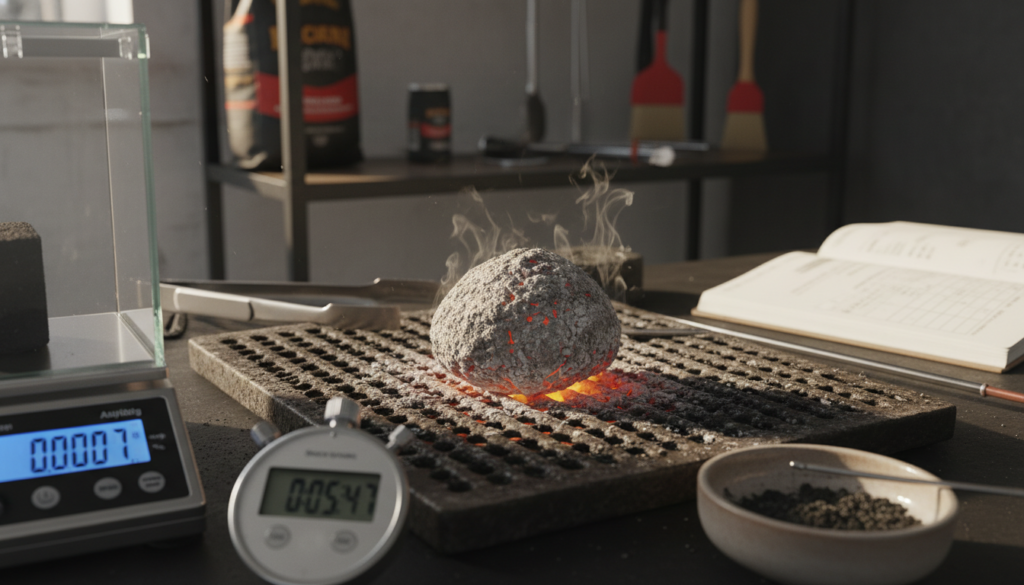
Ash production is a critical but often overlooked factor. Excessive residue chokes airflow in your grill, causing uneven flames and temperature swings.
A superior charcoal briquette burns cleanly. It leaves minimal ash, making cleanup simple and ensuring your fire breathes freely.
Monitoring these metrics guarantees your food cooks evenly every time. For premium fuel solutions focused on this clean, consistent performance, explore Oxicarbon.
Exploring the Types of Charcoal Briquettes
What your briquettes are made from determines their burn characteristics and sustainability. The market now offers diverse materials beyond standard wood.
Briquette Composition and Natural Ingredients
Modern charcoal briquettes prioritize 100% natural hardwood ingredients. This ensures no harmful chemicals touch your food.
The binder used in briquettes made from these materials affects ignition and heat sustainment. Natural starches often replace synthetic alternatives.
Sustainable and Eco-Friendly Options
Innovative materials provide green alternatives. Coconut shell charcoal burns up to three times longer than traditional wood.
Brands like Olivette create briquettes entirely from recycled olive tree byproducts. These carry USDA organic certification for purity.
| Material | Key Feature | Best Use |
|---|---|---|
| Traditional Hardwood | Classic smoke flavor, consistent burn | All-purpose backyard grilling |
| Coconut Shell | Extremely long burn time, low ash | Long smoking sessions, high efficiency |
| Olive Pit | 100% recycled material, certified organic | Eco-conscious cooking, subtle flavor |
These options let you choose fuel that matches your values. For premium sustainable charcoal briquettes, explore Oxicarbon’s eco-friendly lineup.
Brand Comparisons: From Kingsford to Weber
Each prominent fuel manufacturer brings a distinct philosophy and set of features to your grill grate. Knowing what differentiates them helps you match a product to your specific cooking style.
Reviewing Top Brands and Their Unique Features
Weber 17950 Briquettes earn a stellar 4.8/5 rating from users. Their large, premium design provides efficient fuel usage and a clean, chemical-free burn.
The most popular choice nationwide is Kingsford Original Charcoal. This brand is celebrated for its dependable performance and consistent results, making it a backyard staple.
For a versatile charcoal sourced from natural hardwood, many grillers turn to Royal Oak Premium. These briquettes perform well for both high-heat searing and low-temperature smoking.
Among serious enthusiasts, Jealous Devil has built a strong reputation. Their extra-large charcoal briquettes are engineered for intense heat output and remarkably long burns.
They also produce very little ash, which simplifies cleanup. This variety means you can select briquettes that perfectly suit your next grilling project.
Whether you need reliable all-purpose charcoal or specialized high-performance fuel, these leading brands deliver. Your choice depends on the heat profile and burn time you require.
Performance Metrics for Optimal Grilling
The science behind a flawless BBQ hinges on measurable performance data. You can judge your fuel by how evenly it cooks and how cleanly it burns.
These quantifiable factors determine whether your meal is perfectly done or unevenly cooked.
Heat Distribution and Minimal Ash Residue
Uniform warmth across the grate is essential. It prevents cold spots and lets you cook multiple items at once with consistent results.
Tools like ThermoWorks Pro-Series temperature probes provide precise data. For example, they can measure exactly how long burgers take to reach a safe internal temperature of 130°F.
Minimal ash production is another critical metric. Excessive residue blocks airflow in your grill, causing temperature swings and uneven flames.
A high-quality product burns cleanly, ensuring better temperature control. This is key for mastering complex BBQ techniques.
For fuel that excels in these metrics, consider premium solutions from Oxicarbon.
Tips for Easy Lighting and Maintaining Consistent Heat
Lighting your grill efficiently sets the stage for a successful barbecue. Proper technique ensures your charcoal reaches the ideal temperature quickly and safely.
A charcoal chimney starter is the most efficient tool for this job. It lights your charcoal briquettes evenly without chemical accelerants.
Your grill’s vents control the fire. Adjust them to allow steady airflow. This keeps the coals burning at a constant rate.
Always clean out old ash before you start. Blocked airflow causes temperature drops and uneven cooking.
How you arrange your briquettes matters. Create distinct heat zones for different cooking methods.
| Setup Method | Briquette Arrangement | Best For | Typical Cooking Time |
|---|---|---|---|
| Direct Heat | Single even layer | Searing steaks, burgers | 5-10 minutes |
| Indirect Heat | Piled on two sides | Slow-roasting, smoking | 1+ hours |
| Half & Half | One side full, one side empty | Searing then finishing | Varies |
Natural fire starters, like wood wool or paraffin cubes, are a safe choice. With good preparation, your charcoal will be ready in 10 to 15 minutes.
For a reliable fuel that lights easily and burns cleanly, explore premium grilling solutions from Oxicarbon. Their products support these best practices.
What to Avoid: Chemicals, Fillers, and Synthetic Additives
Unwanted additives in your grill fuel can sabotage an otherwise perfect cookout. The integrity of your meal depends on the purity of what you burn.
Identifying Unwanted Additives and Overuse of Lighter Fluid
It is crucial to avoid charcoal briquettes pre-soaked in chemical lighter fluid. These accelerants can impart a harsh, petroleum-like taste to your food.
Many low-cost products use fillers like sawdust, sodium nitrate, or corn starch. These materials create excessive ash and lead to an inconsistent, frustrating burn.
Synthetic additives are sometimes used to make lighting easier. However, they pose potential health risks and contaminate the natural smoky flavor you desire.
Always inspect the packaging for a “100% natural” claim. This ensures you are not buying charcoal containing coal dust or other unwanted chemicals.
By steering clear of these impurities, you protect your ingredients. The result is a cleaner, more authentic flavor in every bite.
For a guaranteed pure burn, consider premium natural fuel from Oxicarbon. Their commitment to clean composition supports superior grilling results.
Budget Considerations: Maximizing Value in Your Purchase
Smart shopping for grilling fuel is about seeing the whole picture, not just the price tag. True value is measured by performance over time.
Balancing Price with Quality and Performance
The lowest upfront cost can be misleading. Some cheaper products burn faster and produce less heat.
You may need to use more fuel to maintain your cooking temperature. This negates any initial savings at the register.
Calculate the total cost per cookout, not per bag. A slightly more expensive product that burns longer and cleaner often provides better value.
Buying in bulk during the off-season is a proven strategy. It significantly reduces the cost per pound for premium fuel.
- Match the bag size to your grilling frequency. Larger packages are more economical for regular users.
- View reliable performance as an investment. It leads to better cooking results and a more enjoyable experience for everyone.
Strategic purchasing decisions protect your budget and elevate your barbecue. For fuel that delivers on this value promise, consider Oxicarbon as a premium supplier.
Setting Up Your Grill for the Perfect Burn
Your grill’s performance is directly tied to how you prepare it before lighting the first coal. A proper foundation ensures even heat and prevents frustrating flare-ups.
Start by giving your cooking station a thorough cleaning. Scrub the fire grate and ensure all ventilation paths are clear of old debris.
This maximizes airflow, which is crucial for a steady burn. Next, position your fuel in a chimney starter for even ignition.
Wait until every piece is glowing orange before transferring it to the grill. How you arrange the hot coals determines your cooking flexibility.
| Heat Zone Setup | Briquette Layout | Best For | Estimated Time |
|---|---|---|---|
| Direct Grilling | Single even layer | Searing steaks, burgers | 5-15 minutes |
| Indirect Cooking | Piled on sides | Roasting, smoking | 1+ hours |
| Two-Zone Setup | Half full, half empty | Versatile cooking | Varies |
Monitoring the temperature with a reliable thermometer is essential. Adjust the vents to maintain the perfect heat for your recipe.
Following these steps creates the ideal environment for your charcoal briquettes to shine. For fuel that supports this meticulous setup, explore premium grilling solutions from Oxicarbon.
U.S. Grilling Trends and the Evolution of Charcoal
A patent filed in 1897 laid the groundwork for the backyard grilling we know today. Ellsworth B. A. Zwoyer designed the first charcoal briquette, creating a more uniform fuel.
Henry Ford later transformed the industry. He used scrap wood from his car factories to mass-produce these briquettes, making them a household staple.
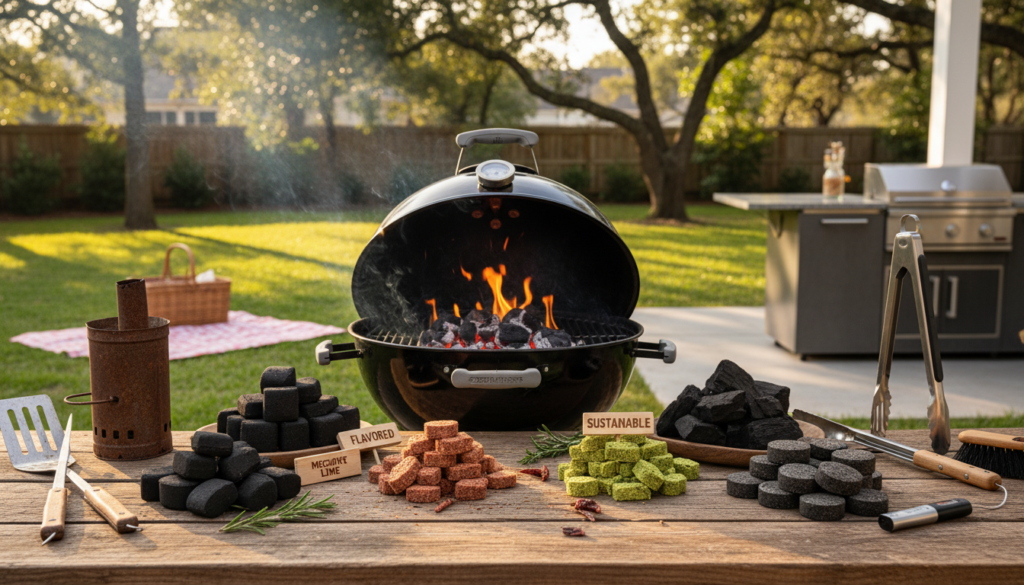
The introduction of the Weber grill in 1952 cemented this fuel’s place in American culture. It revolutionized how families cook outdoors together.
Adapting to Modern American BBQ Techniques
Today’s grillers often blend different fuel types for better results. Using lump charcoal provides intense heat for a perfect sear.
Combining it with consistent briquettes allows for long, steady smoking sessions. This mix gives you ultimate control over your fire’s temperature and duration.
How Weather and Environment Impact Charcoal Performance
Your cooking environment plays a big role. Wind can accelerate burn rates, while cold air may make it harder to reach high temperatures.
Understanding these factors helps you adjust your technique. You can shield your grill or add more charcoal to maintain consistent heat, rain or shine.
Expert Advice: Enhancing Flavor and Cooking Results
Professional chefs know that the secret to unforgettable flavor lies in expert fire management. As celebrity chef Bobby Flay has noted, both charcoal and gas grills can deliver excellent results. The best choice depends on your personal cooking style.
Insider Tips for a Flavorful BBQ Experience
Your fuel selection is a personal decision. Many pitmasters blend lump charcoal with standard briquettes. This mix provides intense heat for searing and steady warmth for smoking.
Always let your charcoal briquettes reach full temperature. A glowing bed of coals ensures even cooking from the moment food hits the grate.
Experiment with aromatic wood chunks. Adding hickory or applewood alongside your charcoal introduces complex smoky layers. This technique elevates classic dishes like ribs and brisket.
| Technique | Purpose | Best For |
|---|---|---|
| Combine Lump & Briquettes | Balance sear heat with steady smoke | Versatile cooking sessions |
| Allow Full Pre-heat | Ensure even cooking from the start | All meats, especially thick cuts |
| Add Aromatic Wood Chunks | Infuse complex smoky layers | Ribs, brisket, poultry |
| Create Two-Zone Heat | Control cooking speed and doneness | Searing and finishing |
Following these pro strategies transforms your backyard cookout. You achieve restaurant-quality flavor and impress every guest. For fuel that supports these advanced techniques, explore premium grilling solutions from Oxicarbon.
Conclusion
The final piece of any great barbecue puzzle is selecting the right heat source. Your choice directly shapes the flavor and success of every meal.
Focus on performance metrics like burn time and ash residue when choosing your charcoal. These factors ensure consistent results and a more enjoyable experience for your guests.
From trusted household names to specialized premium brands, there is a perfect match for every grilling style and budget. Proper setup, including using a chimney starter, significantly improves your control.
We hope this guide empowers you to choose with confidence. For those seeking an advanced, eco-friendly fuel, explore the high-performance coconut shell charcoal from Oxicarbon.
FAQ
What are the main differences between briquettes and lump hardwood?
The key difference is in form and composition. Lump is pieces of pure, burned wood, lighting fast and burning very hot with a clean smoke flavor. Briquettes are compressed carbon and other ingredients, offering a longer, more steady heat perfect for longer cooks. Your choice depends on the food and cooking time.
How can I get a long burn time from my fuel?
For extended sessions, briquettes made with a dense composition are best. Arrange them properly in your charcoal grill, using a two-zone setup. This method conserves coals. Also, look for products known for consistent heat output over many hours.
Are there quality brands that won’t break the bank?
Absolutely. Kingsford Original is a widely available and reliable standard. For a premium experience without a huge cost, brands like Jealous Devil offer high-quality briquettes. The best charcoal for you balances upfront price with performance and flavor results.
Why should I avoid using lighter fluid?
Lighter fluid can leave a chemical taste on your food. For a cleaner cook, use a charcoal chimney starter. It uses paper to ignite the coals quickly and evenly, producing no off-putting smoke or residue. It’s a safer and more effective way to light your fire.
What should I look for to ensure good heat distribution?
Seek out products known for minimal ash production and even burning. A uniform shape and size in the briquette helps coals stack consistently, creating a stable bed of heat. Good brands engineer their products for this specific grilling outcome.
How do I set up my grill for the best results?
Start with a full chimney of lit coals. Pour them over a layer of unlit briquettes in your grill. This creates a lasting, manageable temperature. Always control airflow with the vents; more oxygen means a hotter fire. This setup is key for a perfect burn.