Introduction to Importing Charcoal from Indonesia
Indonesia is one of the world’s leading producers and exporters of high-quality charcoal, particularly coconut shell charcoal and hardwood charcoal. The abundant natural resources, favorable climate, and established manufacturing infrastructure make it an ideal sourcing destination for global buyers. Importing charcoal from Indonesia can be a highly lucrative venture for businesses in the fuel, shisha, and barbecue industries, provided they understand the intricacies of the trade.
This comprehensive guide explores the benefits, sourcing strategies, logistics, and regulations involved in importing charcoal from Indonesia. Whether you are a seasoned importer or a first-time buyer, understanding the nuances of this market is crucial for establishing a successful and sustainable supply chain.
Why Import Charcoal from Indonesia?
There are several compelling reasons why international buyers prefer Indonesian charcoal:
- High Quality: Indonesian coconut shell charcoal is renowned for its high carbon content, low ash residue, long burning time, and minimal smoke, making it a premium choice for shisha/hookah and high-end grilling.
- Sustainability: Much of the charcoal produced in Indonesia, especially coconut charcoal, is derived from agricultural waste (coconut shells). This makes it a highly sustainable and eco-friendly alternative to traditional wood charcoal that contributes to deforestation.
- Cost-Effectiveness: Due to lower production and labor costs, Indonesian suppliers can offer competitive pricing without compromising on quality, allowing importers to achieve better profit margins.
- Abundant Supply: As a leading agricultural nation, Indonesia has a massive and steady supply of raw materials, ensuring consistent production capacity throughout the year.
Types of Indonesian Charcoal
Before initiating the import process, it is important to understand the different types of charcoal available in the Indonesian market:
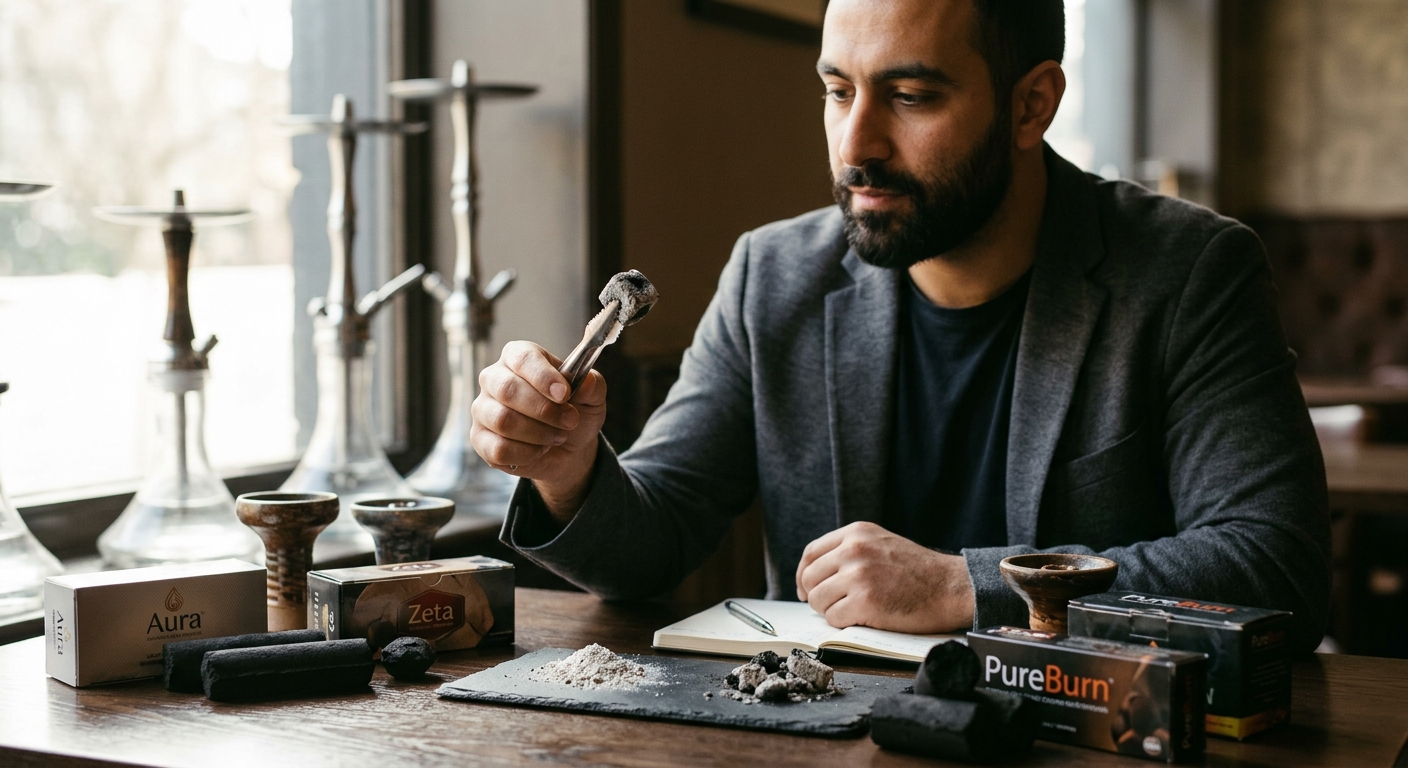
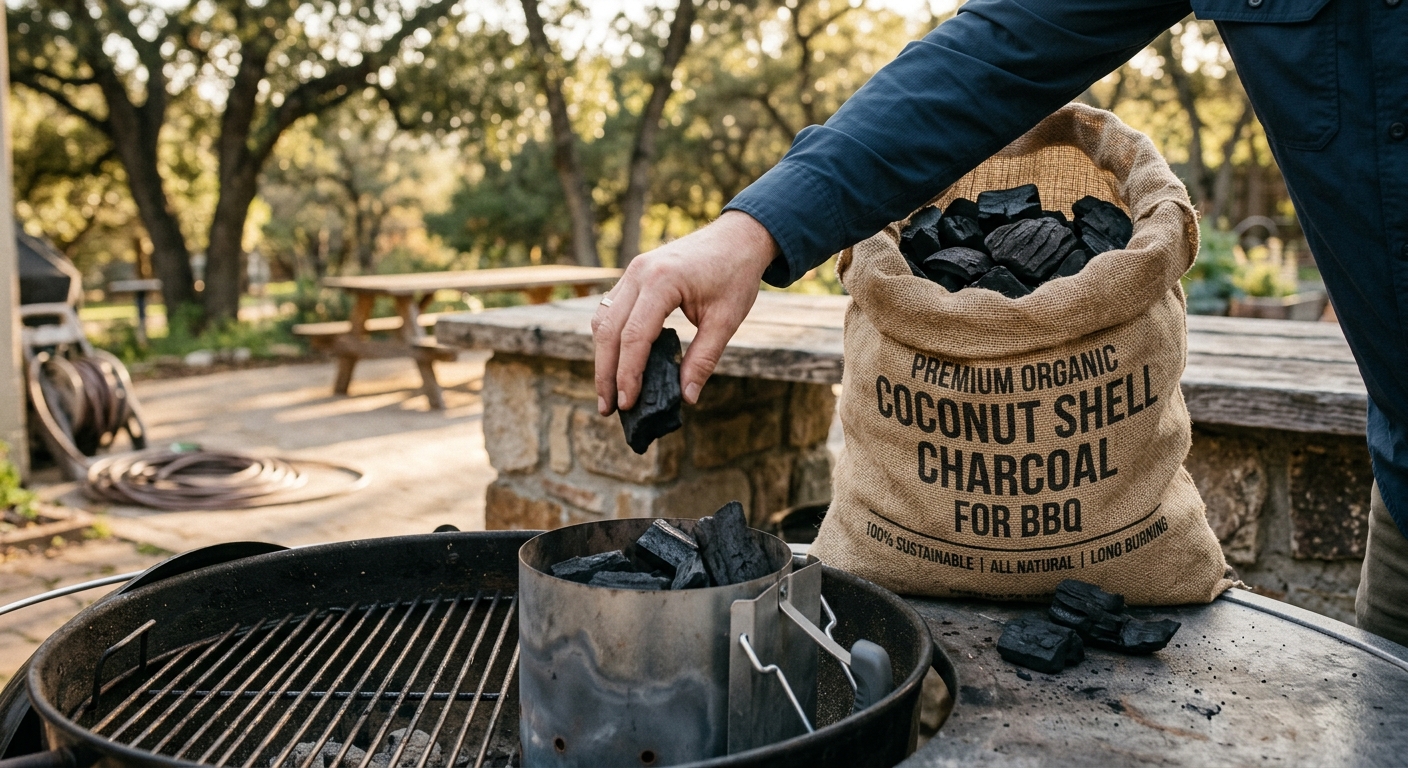
- Coconut Shell Charcoal: Ideal for shisha and premium barbecue. It offers high heat, long burn times, and is virtually smokeless and odorless.
- Hardwood Charcoal (Halaban, Tamarind, Mangrove): Preferred for traditional grilling and industrial applications. It ignites quickly and provides excellent heat output.
- Sawdust Briquettes: Extruded hexagonal charcoal made from compressed sawdust. Popular in the Korean and Japanese BBQ industries for its high heat and longevity.
For those specifically interested in the coconut shell variety, reading Buy Coconut Charcoal Wholesale from Indonesia: A Comprehensive Guide provides deep insights into the wholesale procurement process.
Finding and Verifying Reliable Suppliers
The success of your import business heavily relies on partnering with a reputable and reliable supplier. Here are key steps to finding and verifying suppliers in Indonesia:
1. Sourcing Channels
You can find Indonesian charcoal suppliers through various channels, including B2B directories (like Alibaba and TradeKey), industry trade shows, local Indonesian export directories, and direct web searches. Engaging with local trade representatives or utilizing sourcing agents can also help bridge language and cultural gaps.
2. Verification and Due Diligence
Once you identify potential suppliers, it is critical to conduct thorough due diligence:
- Request Company Documents: Ask for business licenses, export permits, and tax registration documents to ensure they are a legally operating entity.
- Check Certifications: Reliable suppliers should possess relevant certifications such as SGS testing reports (for moisture, ash content, and fixed carbon), MSDS (Material Safety Data Sheet), and optionally, sustainability certifications.
- Request Samples: Always request physical samples before placing a bulk order. Test the samples for burn time, ash color, drop test durability, and ignition speed.
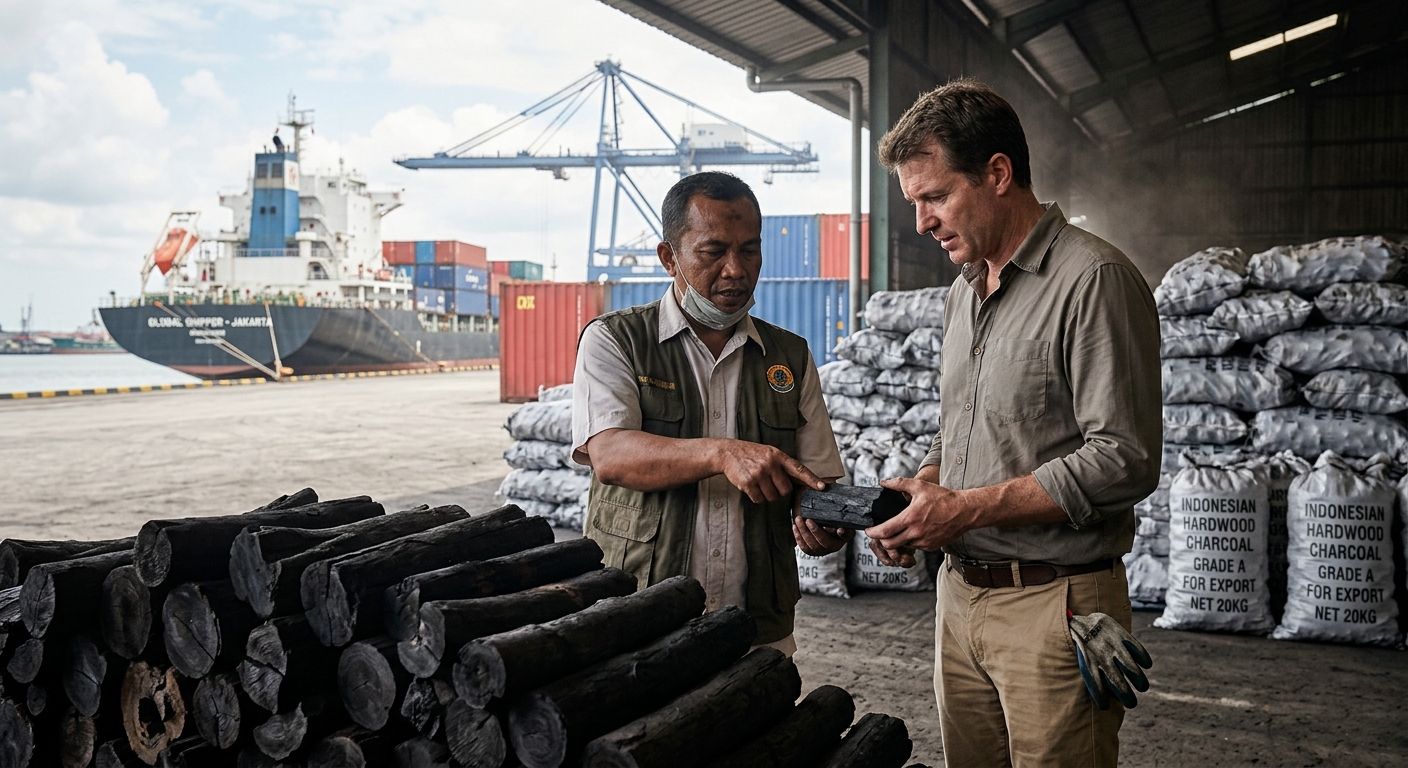
- Factory Visit: If possible, visit the manufacturing facility or hire a third-party inspection agency to verify the production capacity, working conditions, and quality control processes.
To learn more about securing top-tier organic options, you can read A Complete Guide to Premium Organic Coconut Charcoal Wholesale in Indonesia.
Logistics, Shipping, and Packaging
Shipping charcoal internationally requires careful planning due to the nature of the product. Charcoal, particularly in its natural state, is often classified as a Dangerous Good (Class 4.2 – Substances liable to spontaneous combustion) under the IMDG (International Maritime Dangerous Goods) Code.
Packaging Requirements
Proper packaging is essential to maintain product quality during transit and to comply with shipping regulations:
- Inner Packaging: Charcoal is typically packed in plastic bags to prevent moisture absorption. For shisha briquettes, they are often packed in small inner boxes (e.g., 1kg boxes) with an inner plastic lining.
- Outer Packaging: Strong master carton boxes (e.g., 10kg or 20kg) or large PP woven bags (for lump charcoal) are used to protect the inner packages.
- Palletization: Depending on the buyer’s preference, cartons can be palletized and shrink-wrapped for easier unloading, though floor-loading maximizes container space.
Shipping Regulations and Vanning Surveys
Because of its classification, shipping charcoal requires a Self-Heating Test (SHT) certificate from an authorized laboratory to prove that the specific batch does not pose a spontaneous combustion risk. Additionally, shipping lines mandate a Vanning Survey—a process where an independent surveyor oversees the stuffing of the container to ensure safety protocols are followed, proper ventilation is maintained, and the cargo is securely stowed.
Understanding Import Duties and Customs Clearance
When the cargo arrives at the destination port, you must clear customs. Ensure you have the following documents ready:
- Commercial Invoice
- Packing List
- Bill of Lading (B/L)
- Certificate of Origin (Form A, Form D, etc., depending on trade agreements)
- Self-Heating Test Certificate / MSDS
- Vanning Survey Report
It is highly recommended to work with a licensed customs broker in your country to navigate the specific import duties, taxes, and environmental regulations applicable to charcoal imports.
The following table compares the typical specifications of the two main types of charcoal imported from Indonesia to help you decide which product suits your market needs.
| Charcoal Type | Fixed Carbon | Ash Content | Burn Time | Primary Use |
|---|---|---|---|---|
| Coconut Shell Briquettes | 75% – 85% | 2% – 3% | 2 – 2.5 Hours | Shisha / Hookah |
| Hardwood Lump (Halaban) | 65% – 75% | 4% – 5% | 3 – 4 Hours | BBQ / Restaurant Grilling |
Conclusion
Importing charcoal from Indonesia offers a pathway to sourcing premium, sustainable, and highly profitable products for the global market. By thoroughly understanding the types of charcoal available, conducting rigorous supplier verification, and carefully managing the logistics and compliance requirements associated with shipping dangerous goods, importers can build a resilient and successful supply chain. With the right strategy and partnerships, Indonesian charcoal can significantly elevate your product offerings in the competitive fuel and leisure markets.
Frequently Asked Questions (FAQ)
What is the minimum order quantity (MOQ) when importing charcoal from Indonesia?
Most Indonesian manufacturers require a minimum order quantity of one 20-foot container (approximately 18 to 19 metric tons for briquettes) to ensure cost-effective production and shipping.
Why is charcoal considered a dangerous good for shipping?
Charcoal is often classified under Class 4.2 of the IMDG code because certain types can be prone to spontaneous combustion under specific conditions. Therefore, strict testing (Self-Heating Test) and proper container stuffing are mandated by shipping lines.
How long does it take to manufacture and ship a container of charcoal?
Production lead time typically ranges from 2 to 4 weeks depending on the order volume and factory schedule. Shipping transit time varies by destination, taking anywhere from 15 days to parts of Asia to 45 days or more to Europe and the Americas.
Can I request custom packaging for my charcoal brand?
Yes, most reputable Indonesian suppliers offer OEM services, allowing you to customize the inner boxes, master cartons, and plastic linings with your own brand design and logos.