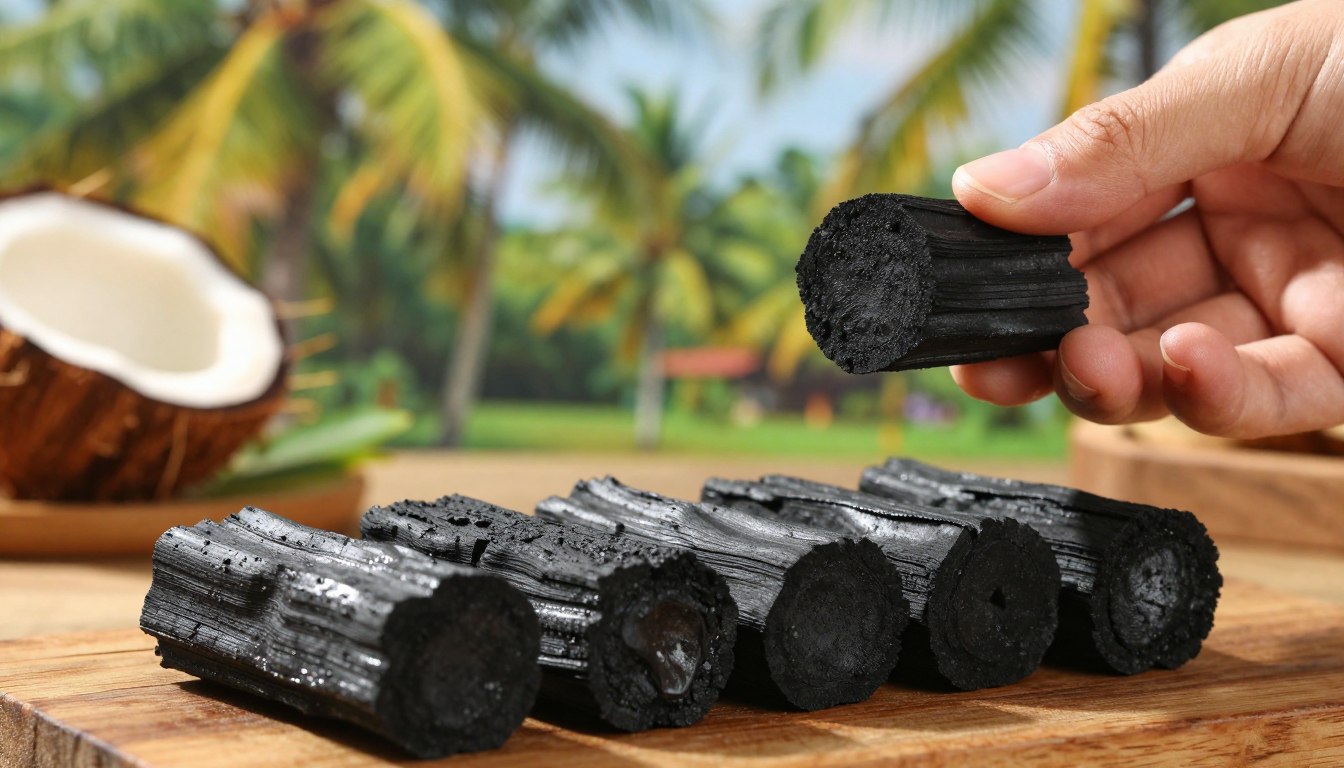
The United States market is witnessing a significant shift toward sustainable and high-performance grilling solutions. Discerning American businesses are increasingly seeking reliable fuel sources that offer both efficiency and environmental responsibility. This growing demand has placed Coconut Charcoal Indonesia Export Quality at the forefront of the industry.
Consistency and performance remain the primary drivers for importers looking to satisfy their customers. By choosing products from specialized suppliers, companies can ensure their inventory meets the rigorous standards required for modern culinary applications. You can explore premium fuel solutions that provide long burn times and minimal ash residue for your specific needs.
Indonesian manufacturers offer a unique value proposition through advanced production techniques and strict testing protocols. This commitment to excellence ensures that every shipment arrives ready for the competitive American retail landscape. Partnering with trusted sources allows your business to maintain a steady supply chain while supporting eco-friendly practices.
Key Takeaways
- Rising demand for sustainable fuel options in the US market.
- High-performance standards are essential for modern grilling businesses.
- Indonesian suppliers provide consistent, lab-tested products for importers.
- Strategic partnerships ensure reliable supply chains and quality assurance.
- Eco-friendly sourcing supports brand reputation and consumer preferences.
Why Indonesia Leads the Global Coconut Charcoal Market
Indonesia has solidified its reputation as the premier source for premium coconut charcoal, setting the standard for quality across the globe. By leveraging its unique geographical advantages and agricultural output, the Indonesian charcoal industry has become a vital partner for businesses in the United States seeking reliable, high-performance fuel solutions.
The Abundance of Raw Material
The foundation of this success lies in the massive scale of local coconut cultivation. Because coconut shells are a natural byproduct of the food and oil industries, manufacturers have a consistent and abundant supply of raw materials.
Instead of letting these shells go to waste, producers convert them into high-density charcoal. This process ensures that the Indonesian charcoal industry remains highly efficient while supporting local farmers and reducing agricultural waste.
Sustainable Production Practices
Modern consumers and businesses are increasingly prioritizing sustainable energy sources. Indonesia meets this demand by utilizing carbonization methods that minimize environmental impact.
Key benefits of these production methods include:
- Zero deforestation: No trees are cut down to produce this charcoal.
- Waste reduction: Repurposing agricultural residues into valuable fuel.
- Clean burning: Minimal smoke and chemical additives compared to traditional wood charcoal.
By choosing premium coconut charcoal, US buyers are supporting sustainable charcoal production that respects the planet. This commitment to eco-friendly practices is a cornerstone of the industry’s growth.
Technological Advancements in Processing
Innovation has played a critical role in refining the final product to meet strict international requirements. Manufacturers now employ advanced machinery to ensure consistent sizing, density, and heat output.
These technological upgrades allow for precise control over the carbonization process. As a result, the industry can guarantee that every batch meets the high expectations of professional users. Through sustainable charcoal production, Indonesia continues to lead the way in providing reliable sustainable energy sources for global markets.
Understanding Coconut Charcoal Indonesia Export Quality Standards
Quality control is the backbone of the Coconut Charcoal Indonesia Export Quality market. For businesses in the United States, selecting the right fuel is not just about availability; it is about meeting rigorous performance benchmarks that ensure a seamless experience for end-users.
Defining High-Grade Charcoal Specifications
To achieve high-grade charcoal specifications, manufacturers must carefully manage the carbonization process. Key metrics include a fixed carbon content typically exceeding 75%, which ensures the product burns cleanly without producing excessive smoke or odors.
Moisture content is another critical factor that must remain below 5% to prevent issues during ignition. When these technical parameters are strictly controlled, the resulting product provides the reliability that professional kitchens and hookah lounges demand.
The Importance of Ash Content and Color
The presence of low ash charcoal is a primary indicator of purity and superior raw material selection. High-quality coconut shells produce a fine, white ash that does not clog air vents or interfere with the heat source.
Visual indicators are just as important as chemical ones. A clean, white or light gray ash color signifies that the charcoal has been processed correctly, whereas dark or brownish ash often points to impurities or poor carbonization techniques.
Calorific Value and Burning Duration
The coconut charcoal heat duration is what truly sets premium Indonesian products apart from traditional alternatives. A high calorific value ensures that the charcoal maintains a steady, intense heat for an extended period, which is essential for long sessions.
Consistency in heat distribution allows operators to manage their equipment with precision. By choosing products that meet these specific thermal standards, businesses can optimize their operational efficiency and improve overall customer satisfaction.
| Feature | Standard Grade | Premium Export Grade |
|---|---|---|
| Fixed Carbon | 65% – 70% | 75% – 80% |
| Ash Content | 5% – 7% | 2% – 3% |
| Moisture | 8% – 10% | 3% – 5% |
| Burning Time | 60 – 90 Minutes | 120 – 180 Minutes |
Benefits of Choosing Indonesian Coconut Charcoal for US Businesses
Indonesian coconut charcoal offers a unique blend of performance and environmental responsibility for US companies looking to upgrade their inventory. As the market evolves, businesses are increasingly seeking products that align with green initiatives without sacrificing operational quality. Partnering with a reliable Hookah charcoal supplier ensures that your establishment stays ahead of these shifting consumer trends.
Eco-Friendly and Renewable Energy Source
One of the primary coconut shell charcoal benefits is its status as a byproduct of the food industry. By utilizing shells that would otherwise be discarded, manufacturers create a highly efficient fuel that minimizes waste. This makes it one of the most viable sustainable energy sources available for modern commercial use.
Choosing an eco-friendly charcoal option allows American businesses to appeal to environmentally conscious customers. Many patrons now prefer venues that demonstrate a commitment to the planet. By making this switch, you enhance your brand reputation while supporting responsible manufacturing practices.
Superior Performance for Shisha and Hookah
When it comes to the hospitality sector, quality is non-negotiable. Premium coconut charcoal for shisha provides a clean, odorless burn that does not interfere with the flavor profile of the tobacco. This purity is essential for maintaining the high standards expected in professional hookah lounges across the United States.
Unlike traditional wood-based fuels, this material produces minimal ash and maintains a steady temperature for longer periods. This efficiency translates into lower operational costs and a better experience for your guests. Consistency is the hallmark of a successful business, and this product delivers exactly that.
Consistency in Heat Distribution
Reliable heat management is vital for any high-end grilling or hookah application. Indonesian coconut charcoal is engineered to provide uniform heat distribution, ensuring that every session or meal is prepared to perfection. This predictability allows staff to focus on service rather than constantly adjusting or replacing fuel sources.
By investing in high-grade charcoal, you eliminate the frustration of uneven burning. This level of performance helps streamline kitchen and lounge operations, ultimately leading to higher customer satisfaction and repeat business. It is a simple change that yields significant long-term results for your bottom line.
Key Manufacturing Processes for Premium Export Products
The journey from raw coconut shells to a finished export product involves several critical manufacturing stages. Achieving consistent results requires a deep commitment to technical precision and material integrity. When you source premium coconut charcoal, you are investing in a product refined through advanced industrial methods.
Carbonization Techniques for Purity
The foundation of natural charcoal manufacturing lies in the controlled carbonization of coconut shells. By heating the shells in an oxygen-deprived environment, producers remove volatile organic compounds while preserving the carbon structure. This process is essential for creating a clean-burning fuel that does not produce unpleasant odors or smoke.
Advanced facilities utilize specialized kilns to maintain steady temperatures throughout the cycle. This ensures that every piece of charcoal reaches the ideal density required for a long, steady burn. Consistent heat management is the secret to producing a product that meets the high expectations of international markets.
Binding Agents and Natural Ingredients
A reliable charcoal manufacturer understands that the structural integrity of the briquette is just as important as the raw material. To keep the charcoal stable during long-distance transit, producers use natural binding agents like tapioca starch. These ingredients are entirely organic and do not interfere with the flavor profile or burning characteristics.
By avoiding synthetic chemicals, manufacturers ensure that the final product remains safe for both indoor and outdoor use. This commitment to purity is a major advantage for businesses looking to provide their customers with a cleaner experience. You can learn more about these high standards by visiting the experts at Oxicarbon.
Quality Control and Laboratory Testing
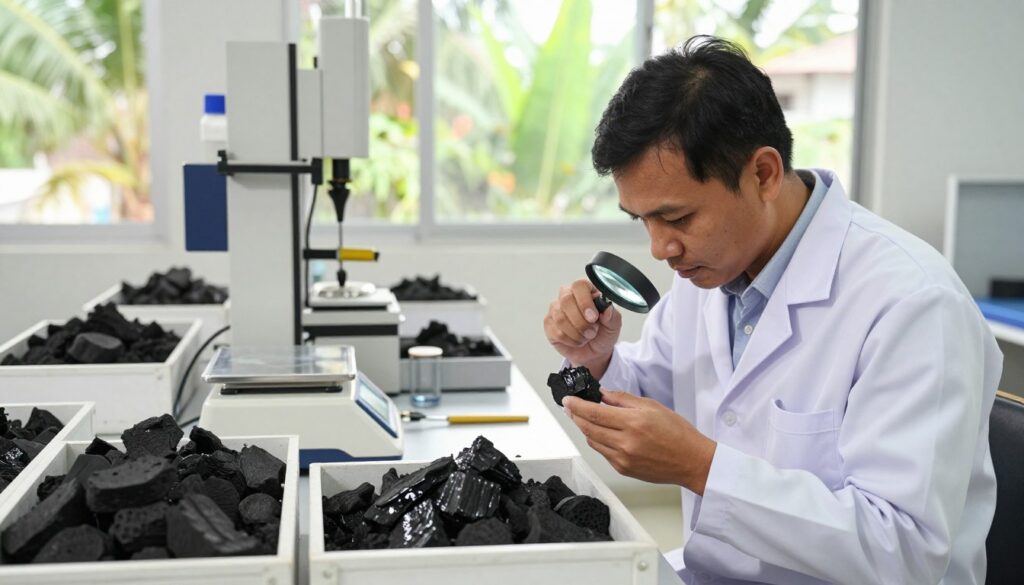
Rigorous coconut charcoal quality control is the final step in the production cycle. Every batch undergoes extensive testing to verify that it meets specific export requirements. These protocols help ensure that the charcoal consistently delivers the performance that professional users demand.
Key metrics evaluated in the laboratory include:
- Calorific value to ensure maximum heat output.
- Ash content analysis to guarantee a low ash charcoal experience.
- Moisture levels to prevent crumbling and ensure easy ignition.
- Burning duration tests to confirm long-lasting performance.
By maintaining these strict standards, producers can guarantee that every shipment arrives in perfect condition. This dedication to quality is what separates top-tier suppliers from the rest of the market.
Navigating Logistics and Shipping to the United States
Importing high-quality charcoal into the US market involves navigating complex shipping lanes and regulatory frameworks. When you engage in charcoal export from Indonesia, the physical movement of goods is just as important as the quality of the product itself. A smooth transition from the factory floor to your warehouse depends on careful preparation and clear communication with your logistics partners.
Understanding US Import Regulations
Successfully managing bulk charcoal import US operations requires strict adherence to federal guidelines. You must ensure that all documentation, including the Commercial Invoice, Packing List, and Bill of Lading, is accurate and complete. Customs clearance often hinges on the proper classification of your goods under the Harmonized Tariff Schedule.
Working with a licensed customs broker can help you avoid unnecessary delays at the port of entry. They provide the expertise needed to navigate potential inspections by the FDA or other relevant agencies. Staying compliant protects your business from fines and ensures that your inventory remains available for your customers.
Packaging Solutions for Long-Distance Transit
Effective charcoal logistics and shipping strategies prioritize the protection of your product during the long ocean voyage. Because charcoal is sensitive to environmental factors, high-quality packaging is essential to prevent moisture absorption. Using moisture-resistant liners and durable, reinforced pallets helps maintain the integrity of the charcoal until it reaches its destination.
Proper stacking and container loading techniques are also vital to prevent damage during transit. By utilizing vacuum-sealed bags or heavy-duty kraft paper, you can ensure that the product arrives in pristine condition. Investing in superior packaging is a small cost compared to the potential loss of a damaged shipment.
Managing Lead Times and Supply Chain Reliability
Maintaining charcoal supply chain reliability is the backbone of a successful import business. You should account for potential variables such as port congestion, seasonal shipping demand, and international transit times when planning your inventory cycles. Establishing a buffer stock allows you to mitigate the risks associated with unexpected delays in the global supply chain.
Clear communication with your Indonesian suppliers is key to keeping your operations running on schedule. By setting realistic lead times and monitoring shipment progress, you can maintain a consistent flow of product to your US customers. Proactive planning ensures that your business remains competitive and responsive to market demands.
Comparing Coconut Charcoal with Traditional Wood Charcoal
Many people often wonder how coconut shell charcoal benefits compare to the traditional wood-based options they have used for years. While wood charcoal has been the industry standard for decades, modern alternatives are changing the landscape of the market. Understanding these differences helps businesses and consumers make informed choices for their specific needs.
Environmental Impact Analysis
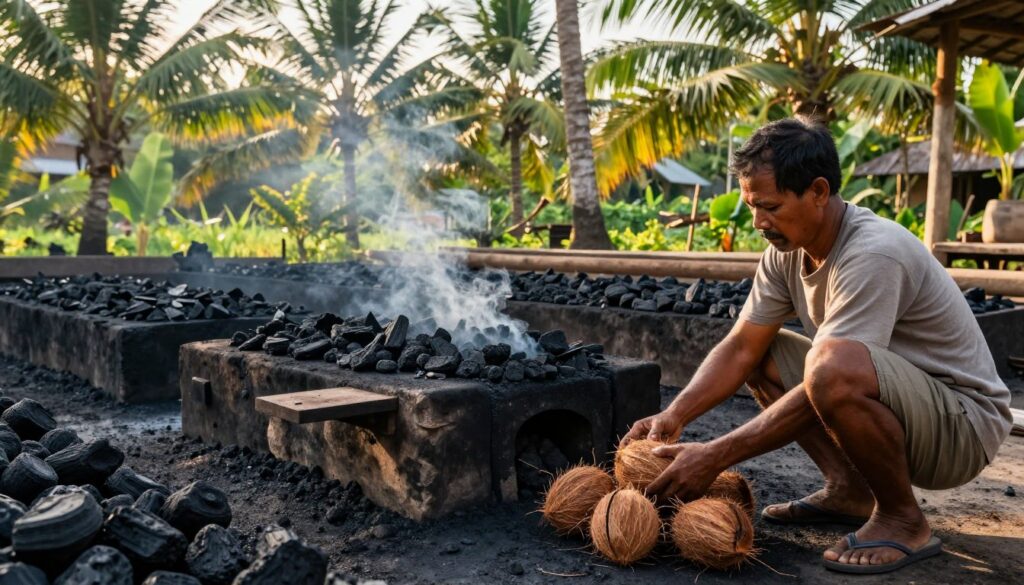
Traditional charcoal production often relies on the logging of hardwood trees, which contributes significantly to deforestation. In contrast, sustainable charcoal production utilizes coconut shells, which are essentially agricultural waste products. By repurposing these shells, manufacturers prevent unnecessary tree harvesting and support a circular economy.
Choosing premium coconut charcoal means you are supporting a process that does not require the destruction of forests. This makes it a far more responsible choice for environmentally conscious brands in the United States. It is a simple switch that yields massive long-term ecological rewards.
Efficiency and Cost-Effectiveness
When it comes to performance, coconut charcoal is remarkably dense and burns much longer than standard wood alternatives. This eco-friendly charcoal provides a consistent heat output that is ideal for long cooking sessions or extended hookah use. Because it burns slower, you actually use less product over time, which improves your bottom line.
The high density of these briquettes ensures that they do not crumble easily during transit or handling. This durability reduces waste and ensures that every shipment you receive is ready for immediate use. You will find that the initial investment pays for itself through superior longevity and reliability.
Flavor Profiles and Smoke Quality
One of the most significant advantages of natural charcoal manufacturing is the purity of the final product. Unlike wood charcoal, which can release strong odors or chemical additives, coconut charcoal is virtually odorless and tasteless. This allows the true flavor of your food or shisha tobacco to shine through without interference.
The smoke produced is clean and thin, which is highly preferred in professional settings. It creates a much more pleasant environment for guests and chefs alike. Below is a breakdown of how these two materials compare across key performance metrics.
| Feature | Coconut Charcoal | Traditional Wood Charcoal |
|---|---|---|
| Burn Duration | Long (up to 3 hours) | Short (1 to 1.5 hours) |
| Ash Content | Very Low (under 3%) | High (10% to 20%) |
| Environmental Impact | Low (Waste-based) | High (Deforestation) |
| Flavor Profile | Neutral/Clean | Smoky/Woody |
Applications for US Markets
From bustling city cafes to backyard grills, coconut charcoal is changing how Americans experience heat. The versatility of premium coconut charcoal allows it to serve a wide range of sectors, from high-end hospitality to specialized culinary arts. By choosing the right fuel, businesses and enthusiasts alike can elevate their results significantly.
Professional Hookah Lounges and Cafes
In the competitive world of hospitality, quality is the primary driver of customer satisfaction. A reliable hookah charcoal supplier provides the consistency that professional lounges demand to keep their patrons coming back. Using premium coconut charcoal for shisha ensures a clean, odorless experience that does not interfere with the delicate flavors of the tobacco.
- Consistent heat output for long sessions.
- Minimal ash production for easier cleanup.
- No chemical additives or unpleasant odors.
High-End Barbecue and Grilling Enthusiasts
Grilling enthusiasts across the United States are moving away from traditional wood options in favor of more efficient alternatives. The impressive coconut charcoal heat duration allows pitmasters to maintain steady temperatures for hours without constant refueling. This makes it the perfect choice for premium grilling charcoal when preparing slow-cooked meats or delicate vegetables.
The clean-burning nature of this product ensures that the natural flavor of the food remains the star of the show. Because it produces very little smoke, it is ideal for both outdoor patios and professional kitchen environments where air quality is a priority.
Industrial and Specialized Culinary Uses
Beyond standard grilling and smoking, this fuel source finds its way into various industrial and niche culinary applications. Chefs often utilize it for high-heat searing, where precise temperature control is essential for achieving the perfect crust. Its density and purity make it a favorite for specialized cooking techniques that require a stable, long-lasting heat source.
As the demand for sustainable and high-performance energy grows, more industries are discovering the benefits of this natural resource. Whether for large-scale catering or boutique culinary projects, the reliability of this charcoal remains unmatched in the modern market.
How to Identify Reliable Indonesian Suppliers
Establishing a strong supply chain begins with a careful evaluation of potential partners in the Indonesian charcoal industry. For US businesses, finding a partner that guarantees Coconut Charcoal Indonesia Export Quality is the most critical step toward long-term success. You must look beyond simple price points to ensure your operations remain consistent and professional.
Verifying Factory Certifications
A reliable charcoal manufacturer will always be transparent about their operational standards. You should prioritize suppliers who hold internationally recognized certifications, such as ISO standards or environmental compliance documentation. These credentials serve as proof that the facility follows strict safety and production protocols.
Always ask for documentation regarding their labor practices and environmental impact. Reputable companies are usually proud to share their compliance records. If a supplier hesitates to provide these documents, it may be a red flag regarding their overall transparency.
Requesting Samples and Testing Batches
Before committing to a large order, you must implement a rigorous Coconut charcoal quality control process. Requesting physical samples allows you to test the burn time, ash color, and heat consistency firsthand. This step is vital for any hookah charcoal supplier you are considering for your retail or lounge business.
When testing, pay close attention to how the charcoal reacts under high heat. You can find more information on premium standards at Oxicarbon to better understand what top-tier products should look like. Consistent testing ensures that every batch meets the high expectations of your American customers.
Building Long-Term Partnerships
Success in this industry relies on clear communication and mutual trust. Treat your supplier as a strategic partner rather than just a vendor. Regular check-ins and honest feedback about product performance help manufacturers refine their processes to better suit your specific needs.
| Criteria | Reliable Supplier | Unverified Vendor |
|---|---|---|
| Certifications | Fully Transparent | Often Missing |
| Sample Quality | Consistent | Variable |
| Communication | Proactive | Delayed |
| Lead Times | Predictable | Unreliable |
By fostering a long-term relationship, you gain priority access to stock and better support during market fluctuations. Investing time in vetting your partners today will save you significant resources in the future. A solid partnership is the foundation of a thriving business in the competitive US market.
Common Challenges in the Export Process and How to Overcome Them
Achieving seamless operations when importing goods from abroad involves mastering several key logistics areas. While charcoal export from Indonesia offers immense value, businesses must proactively address potential hurdles to maintain a competitive edge. By understanding these common obstacles, you can ensure your supply chain remains robust and efficient.
Managing Moisture Levels During Shipping
Sea transit poses a significant risk to product integrity due to fluctuating humidity levels inside shipping containers. If moisture penetrates the packaging, it can degrade the quality of the charcoal, leading to poor ignition or excessive smoke. Effective charcoal logistics and shipping strategies involve using high-quality moisture-absorbing desiccants and airtight packaging materials.
Proper ventilation and container selection are equally vital for protecting your cargo. Working with experienced partners like Oxicarbon ensures that your products are shielded from environmental factors during the long journey across the ocean. This attention to detail preserves the structural integrity of the charcoal until it reaches your warehouse.
Ensuring Consistent Product Quality
Maintaining uniformity across large shipments is a primary concern for businesses that rely on premium grilling charcoal. Variations in raw materials or carbonization temperatures can lead to inconsistent burn times and ash content. To mitigate this, you should implement rigorous quality control protocols at the factory level.
Establishing clear specifications before production begins is the best way to guarantee consistency. Regular batch testing and third-party inspections provide the necessary oversight to ensure every shipment meets your high standards. Consistent quality builds trust with your customers and strengthens your brand reputation in the marketplace.
Handling Customs and Documentation
Navigating the regulatory landscape is often the most daunting part of a bulk charcoal import US strategy. Complex documentation, including certificates of origin and safety data sheets, must be prepared with absolute precision to avoid delays at the border. Working with a licensed customs broker can simplify this process significantly.
To ensure smooth clearance, consider the following steps:
- Verify that all labeling complies with current US import regulations.
- Maintain organized digital records of all shipping manifests and invoices.
- Communicate proactively with your freight forwarder to track the status of your shipment.
Prioritizing charcoal supply chain reliability through transparent communication and meticulous documentation will save you time and money. By overcoming these common challenges, you position your business for long-term success in the competitive charcoal market.
Conclusion
Choosing the right partner for your energy needs transforms how your business operates in the competitive United States market. By selecting export-quality coconut charcoal, you provide your customers with a superior, eco-friendly experience that stands out from traditional wood-based alternatives.
Reliable production from West Sumatera ensures that your supply chain remains steady and efficient. With strict quality control processes and independent laboratory verification, you gain peace of mind knowing every shipment meets high standards for ash content and burn duration.
Building a long-term relationship with a trusted manufacturer allows you to scale your operations with confidence. Whether you require private label packaging or bulk container loads, the path to consistent, high-performance fuel is clear. Start your journey toward better burning solutions today to secure a sustainable future for your brand.
FAQ
Why is Indonesia considered the premier global source for coconut charcoal?
Indonesia dominates the market because it possesses the world’s largest supply of raw coconut shells, a natural byproduct of its massive coconut industry. By utilizing advanced carbonization techniques and sustainable practices, Indonesian manufacturers produce export-quality charcoal that meets the high-performance demands of the United States market, offering a superior alternative to traditional fuels.
How does the quality of Indonesian coconut charcoal compare to traditional wood charcoal?
Unlike wood charcoal, which contributes to deforestation, coconut charcoal is made from renewable agricultural waste. It is more eco-friendly, burns up to three times longer, and maintains a much higher calorific value. Additionally, it produces minimal smoke and leaves behind very little ash—typically under 2.5%—making it much cleaner for both shisha and professional BBQ use.
What specific ash characteristics indicate high-grade export quality?
For US buyers, the ash content and color are critical markers of purity. High-grade charcoal should produce a white or light grey ash. If the ash is brown or dark, it often indicates the presence of soil or high silica content. Premium Indonesian briquettes ensure a clean burn that doesn’t affect the flavor of food or tobacco, which is essential for hookah lounges and high-end cafes.
Is Indonesian coconut charcoal safe for indoor use in shisha lounges?
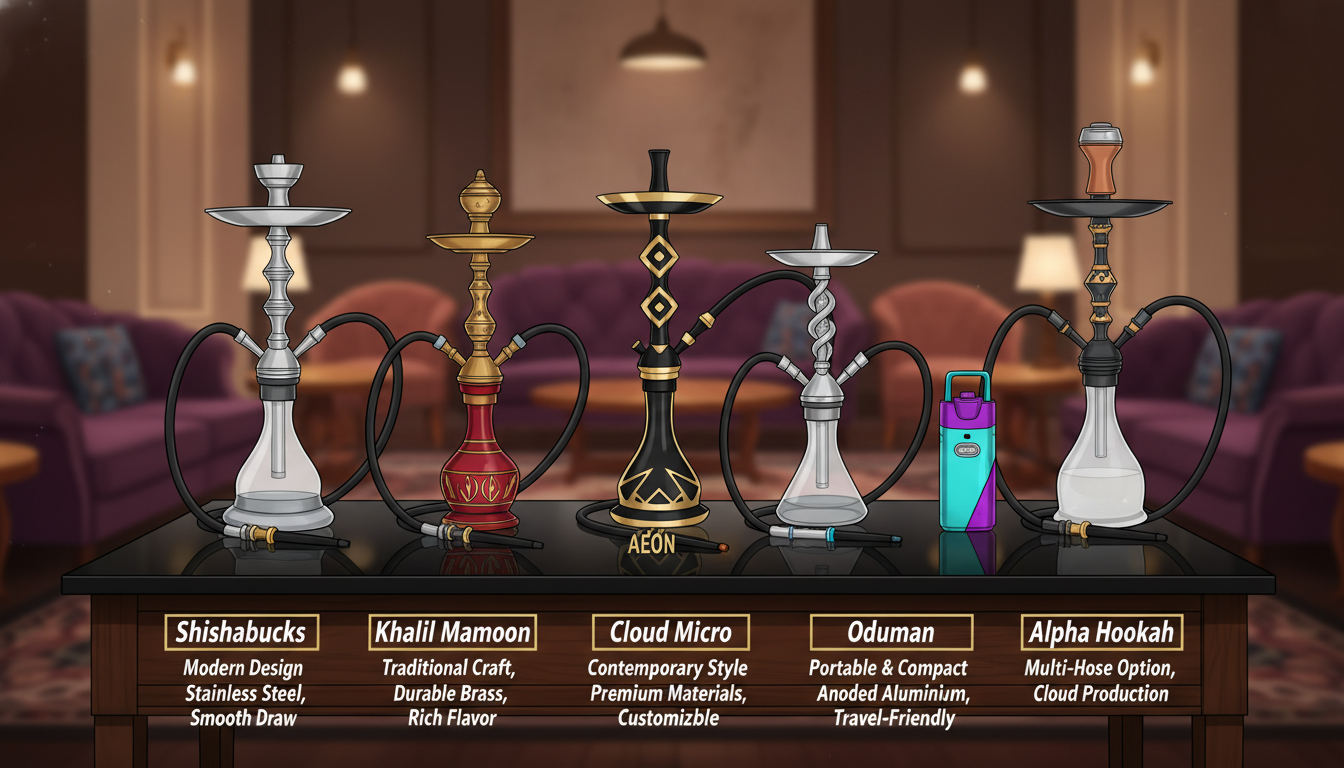
Yes, it is the gold standard for the shisha and hookah industry. Because the manufacturing process uses natural binding agents like tapioca starch rather than harmful chemicals, the charcoal is virtually odorless and smokeless. This ensures a pure experience for customers at establishments using brands like Starbuzz or Khalil Mamoon equipment.
What should US importers know about shipping and logistics regulations?
Importing charcoal into the United States requires strict adherence to shipping regulations. Charcoal is often classified as a “self-heating substance,” so it is vital to provide a vanning certificate and a Material Safety Data Sheet (MSDS). Reliable Indonesian suppliers work with experienced freight forwarders to ensure products are packed in moisture-proof packaging to maintain integrity during the long transit across the Pacific.
How can I verify the reliability of an Indonesian charcoal supplier?
To ensure you are receiving premium export quality, always verify the factory’s ISO certifications and request a laboratory analysis report (such as from SGS or Sucofindo). It is a standard industry practice to request samples and test small batches for burning duration and fixed carbon levels before committing to a long-term partnership.
Does coconut charcoal offer better cost-effectiveness for American BBQ businesses?
Absolutely. While the initial price point per pound might differ from mass-market charcoal, the efficiency and heat distribution of coconut shell briquettes are far superior. Because they burn hotter and significantly longer, businesses like specialized smokehouses or outdoor grilling enthusiasts use fewer briquettes per session, leading to long-term savings and more consistent cooking results.
How are moisture levels managed to ensure product consistency?
Moisture control is one of the biggest challenges in the export process. Top-tier manufacturers use industrial drying ovens to keep moisture levels below 5% before sealing the product in airtight inner plastic liners. This prevents the charcoal from absorbing humidity during ocean freight, ensuring that it lights easily and burns steadily once it reaches the US market.


dgivvvknofjtielltrkkwlkoehxrxw