Introduction to Low Ash Hookah Charcoal
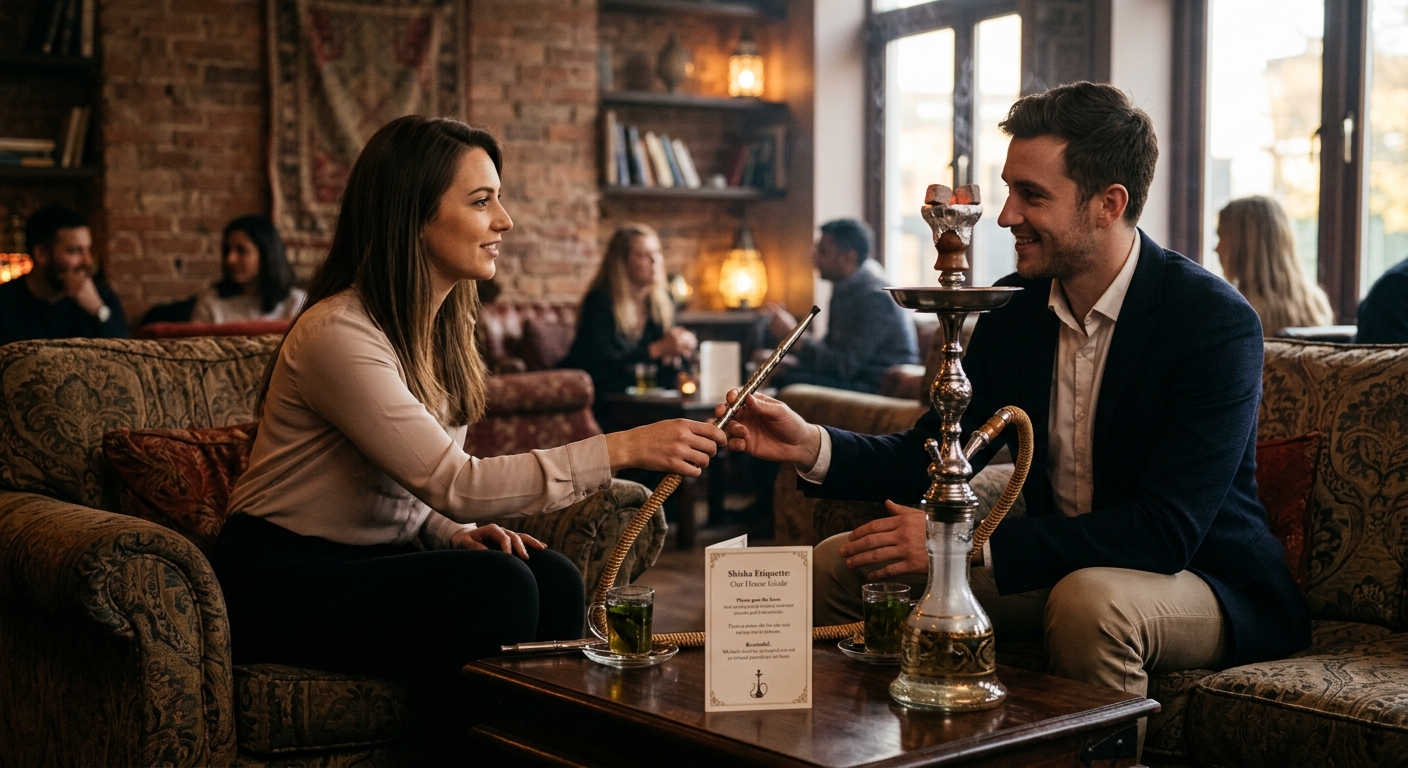
In the world of shisha enjoyment, the quality of the charcoal used plays a pivotal role in the overall experience. Hookah enthusiasts and lounge owners alike are continually searching for the perfect heat source. Among the top requirements for premium sessions is low ash hookah charcoal. Ash production not only affects the cleanliness of the session but also impacts flavor, heat management, and burn time. This comprehensive guide will explore the intricacies of sourcing low ash hookah charcoal, understanding its benefits, and selecting the right supplier for your needs.
The Importance of Low Ash Content
When charcoal burns, it leaves behind a residue known as ash. In hookah sessions, excessive ash can cause several problems. It can fall into the shisha bowl, altering the flavor and causing harshness. Furthermore, a thick layer of ash acts as an insulator, preventing optimal heat transfer to the tobacco. By utilizing low ash charcoal, users ensure a cleaner, longer-lasting, and more flavorful experience. Low ash content is typically considered to be below 2.5% to 3% of the charcoal’s total weight.
Benefits of Low Ash Hookah Charcoal
- Consistent Heat Output: Less ash means the glowing core of the charcoal remains exposed, providing steady heat to the shisha.
- Pure Flavor: Without the interference of ash falling into the bowl, the true flavor of the shisha tobacco is preserved.
- Less Maintenance: Users do not need to ash the coals as frequently, allowing for a more relaxed session.
- Longer Burn Time: High-quality, low-ash charcoal is denser and burns longer than lower-quality alternatives.
Materials Matter: Coconut Shell Charcoal
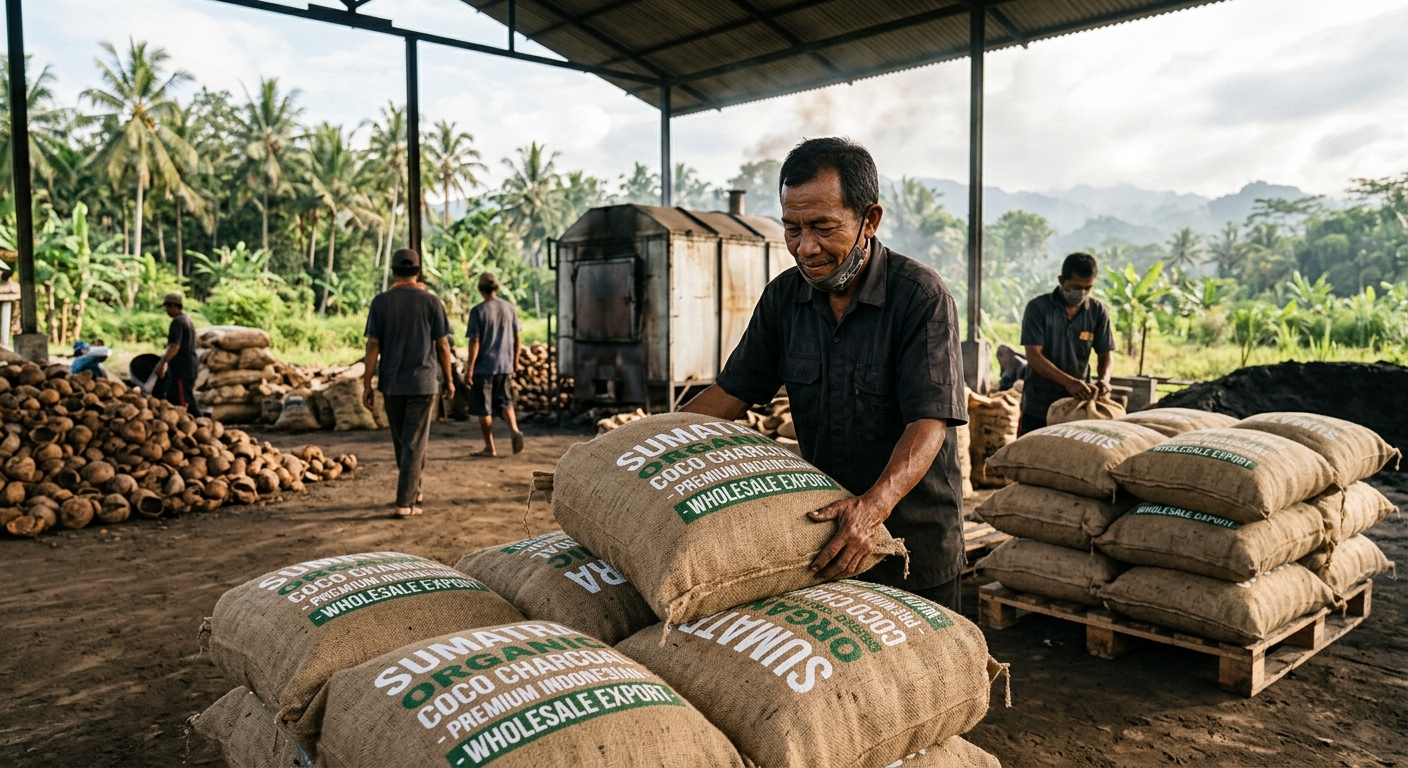
The vast majority of premium low ash hookah charcoal is made from compressed coconut shells. Unlike quick-light charcoals that contain chemical accelerants, natural coconut charcoal offers a clean burn with minimal odor. The manufacturing process of coconut charcoal is critical in determining the final ash content. For those looking to understand the technical requirements and standards for exporting such high-quality products from top producing countries, reviewing the Indonesian Charcoal Export Specifications: A Complete Guide provides invaluable insights into what makes a premium product.
The Manufacturing Process
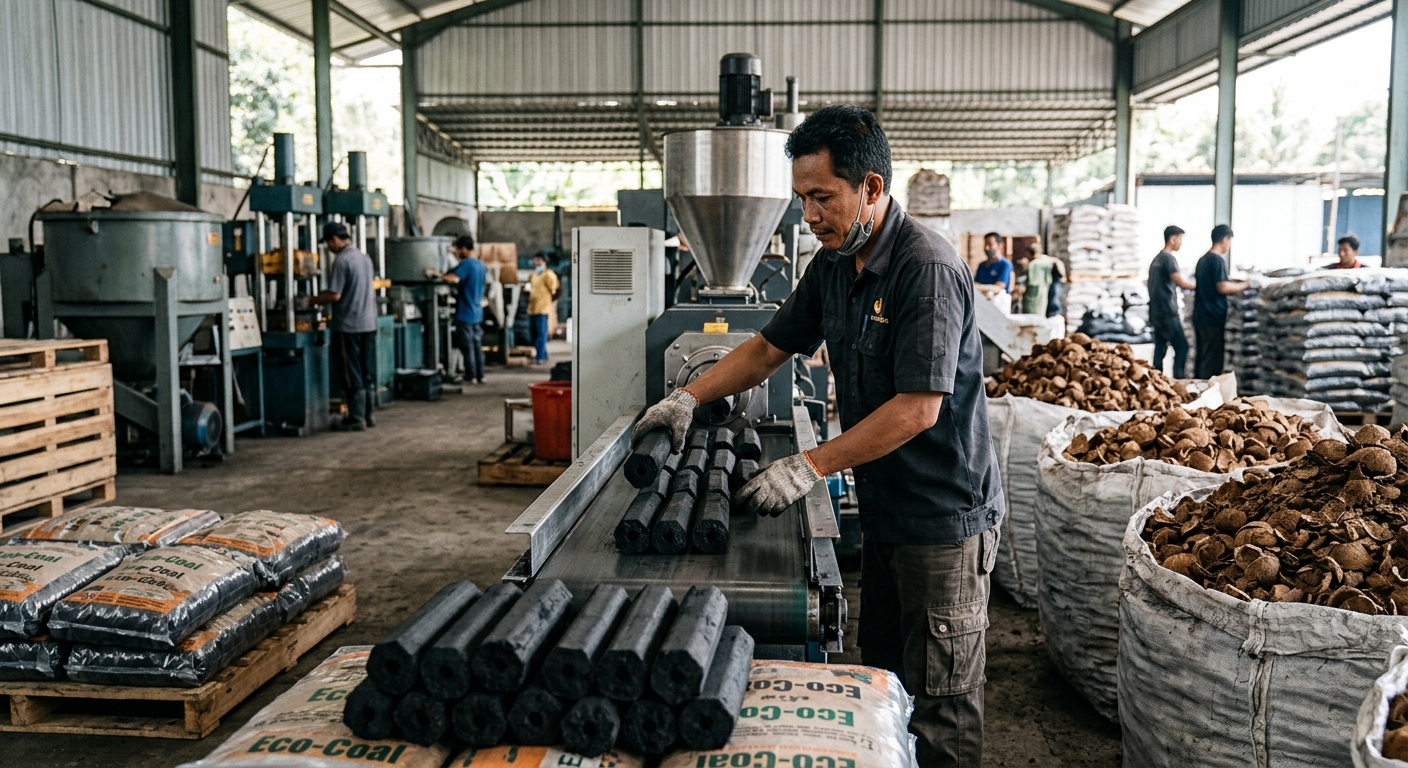
Creating low ash charcoal requires stringent quality control at every stage of production. The process begins with the careful selection of mature coconut shells, which are then carbonized. The carbonized shells are crushed into a fine powder, mixed with a natural binder (usually tapioca starch), and extruded or pressed into the familiar cube or flat shapes. The briquettes are then baked in large ovens to remove moisture. If the raw materials contain impurities like dirt or sand, the ash content will inevitably be higher. Therefore, top-tier suppliers invest heavily in cleaning and sifting the raw carbon before binding.
Evaluating a Charcoal Supplier
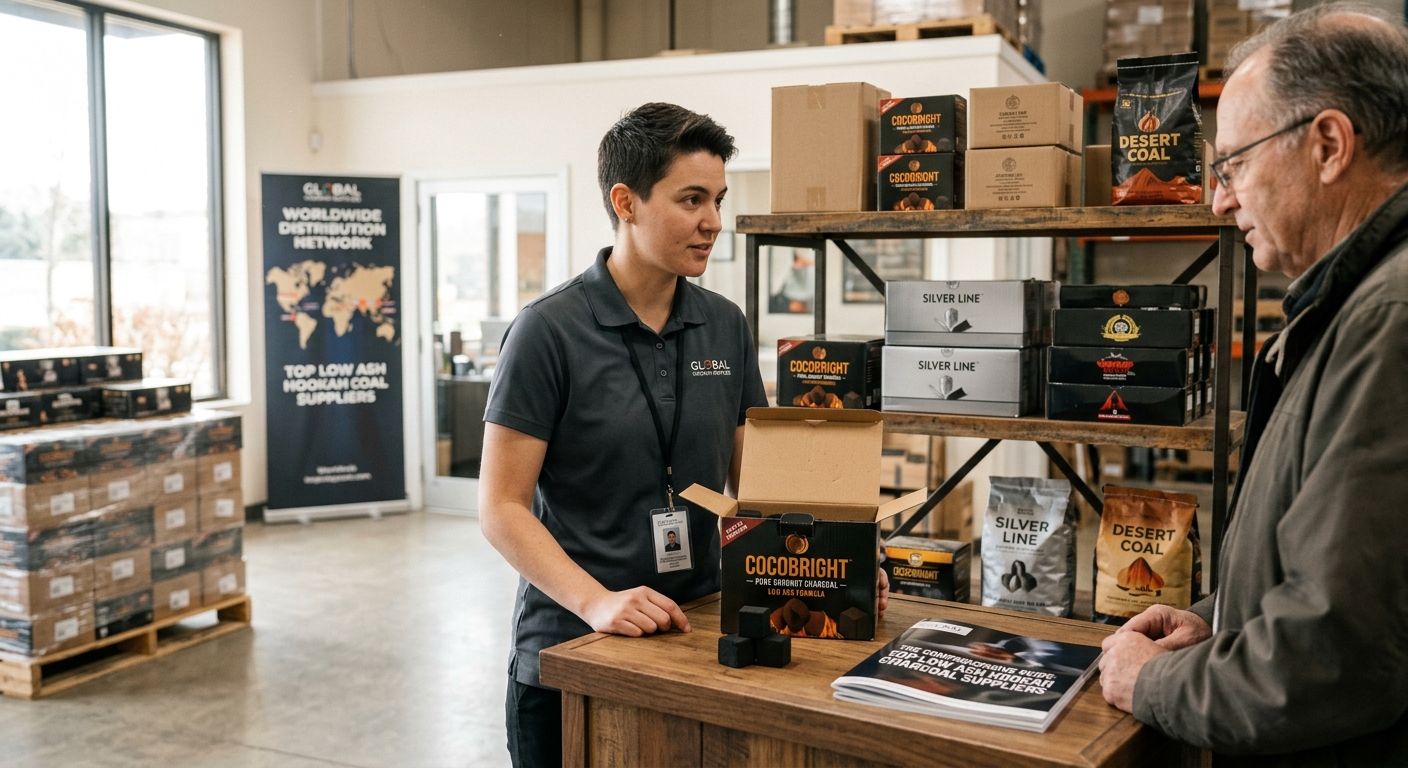
Finding a reliable supplier is crucial for businesses that depend on consistent quality. When evaluating potential suppliers, there are several key factors to consider beyond just the price.
Key Supplier Metrics
| Criteria | Description | Importance |
|---|---|---|
| Ash Content | Percentage of ash remaining after burning. | High – directly impacts session quality. |
| Burn Time | Duration the charcoal maintains optimal heat. | High – affects customer satisfaction and cost per session. |
| Moisture Content | Amount of water left in the briquette. | Medium – affects lighting time and structural integrity. |
| Fixed Carbon | Percentage of pure carbon in the briquette. | High – higher fixed carbon means more heat and less ash. |
Questions to Ask Potential Suppliers
Before committing to a large order, it is advisable to ask suppliers specific questions regarding their production capabilities and quality control measures:
- What is your guaranteed maximum ash percentage?
- Do you use any chemical binders or accelerants?
- Can you provide a laboratory analysis certificate for your latest batch?
- What is your monthly production capacity?
Best Practices for Using Low Ash Charcoal
Even the highest quality charcoal requires proper handling to perform optimally. Unlike quick-lights, natural coconut charcoal requires a dedicated heat source, such as an electric coil burner, to light properly. It is essential to ensure the charcoal is fully glowing red before placing it on the hookah bowl. Black, unlit spots can introduce carbon monoxide and unpleasant flavors into the session. For a detailed walkthrough on achieving the perfect light, users can refer to How to Light Coconut Charcoal Briquettes: A Comprehensive Guide.
Conclusion
Sourcing and utilizing low ash hookah charcoal is paramount for delivering the ultimate shisha experience. By understanding the manufacturing process, the raw materials involved, and the metrics for evaluating suppliers, businesses and consumers can make informed decisions. Coconut shell charcoal remains the gold standard, offering clean, long-lasting, and consistent heat. As you navigate the market, prioritize quality and transparency from your suppliers to ensure that every hookah session is as pure and enjoyable as possible.
Frequently Asked Questions (FAQ)
What is considered a “low ash” percentage for hookah charcoal?
Premium low ash hookah charcoal typically has an ash content of less than 3%, with the highest quality products coming in under 2.5%.
Why is coconut shell used for hookah charcoal?
Coconut shells are highly dense and, when carbonized, produce charcoal with high fixed carbon, low ash, and virtually no odor or taste, making them perfect for smoking shisha.
How long should good quality low ash charcoal last?
Depending on the size of the cube and the airflow, high-quality natural coconut charcoal should last between 1.5 to 2 hours per session.
Can I light natural low ash charcoal with a lighter?
No, natural coconut charcoal does not contain chemical accelerants and requires sustained high heat from an electric coil burner or gas stove to light properly.