
Introduction to Achieving Thick Hookah Clouds
For many hookah enthusiasts, the ultimate goal of any smoking session is to produce dense, voluminous clouds. Achieving thick hookah clouds is not merely a matter of chance; it requires a systematic approach, an understanding of heat management, and meticulous preparation. Whether you are a beginner looking to improve your sessions or a seasoned smoker seeking perfection, this comprehensive guide will walk you through the essential steps to setup a hookah for thick clouds. By mastering the variables of equipment, water levels, shisha packing techniques, and charcoal management, you will elevate your hookah experience to a professional level.
Selecting the Right Hookah Equipment
The foundation of a great hookah session begins with high-quality equipment. While the technique is crucial, inferior hardware will invariably limit your cloud output. The key components you must optimize include the hookah stem, the base, the hose, and most importantly, the bowl.
The Hookah Stem and Hose
Ensure that your hookah stem is completely airtight. Air leaks dilute the smoke with fresh air, resulting in thin, wispy clouds. You can test for leaks by covering the bowl adapter with your hand and inhaling through the hose; you should feel resistance and hear no whistling sounds. Furthermore, opt for a wide-gauge, washable silicone hose. A wider diameter allows for an easier draw, enabling you to pull more smoke into your lungs with less effort, which directly translates to thicker clouds upon exhalation.
Choosing the Perfect Bowl
The bowl dictates how your shisha tobacco bakes. Traditional Egyptian bowls are functional, but for maximum cloud production, Phunnel bowls or Vortex bowls are superior. These designs prevent the flavorful juices from leaking down into the stem, keeping the tobacco moist and allowing it to vaporize efficiently over a longer period.
| Bowl Type | Design Feature | Impact on Cloud Production |
|---|---|---|
| Traditional Egyptian | Holes at the bottom | Moderate; juices can leak, leading to dry tobacco and harsh smoke. |
| Phunnel | Single large central spire | Excellent; retains juices, provides consistent heat distribution for thick clouds. |
| Vortex | Spire with holes on the sides | Very Good; retains juices well, offering a smooth and dense smoke. |
Perfecting the Water Level
The water in your hookah base serves to cool and filter the smoke. However, improper water levels can ruin your session. If the water level is too high, the draw becomes restricted, and water may splash up into the hose. If the water level is too low, the smoke will not be adequately cooled, resulting in a harsh inhale and thin clouds. The golden rule is to submerge the downstem (the tube extending into the water) exactly one to one-and-a-half inches into the water. This precise measurement provides the perfect balance between a smooth draw and optimal filtration, facilitating the thickest possible clouds.
Shisha Selection and Packing Techniques
Not all shisha tobacco is created equal when it comes to cloud production. Brands that utilize a higher ratio of vegetable glycerin to molasses tend to produce thicker vapor. Glycerin is the primary compound responsible for the visible clouds in both hookah and vaping. When selecting your shisha, look for blonde leaf varieties known for high moisture content if your primary goal is massive clouds.
The Fluff Pack Method
How you pack the bowl is perhaps the most critical variable in your setup. For most modern blonde leaf tobaccos, the ‘fluff pack’ is the ideal method. This technique involves lightly sprinkling the tobacco into the bowl, allowing for maximum airflow between the leaves. Do not press the tobacco down densely, as this restricts the hot air from passing through the shisha, leading to poor vaporization and weak clouds. Ensure the shisha is packed just below the rim of the bowl to prevent it from touching the foil or Heat Management Device (HMD), which would cause scorching.
Charcoal Selection and Heat Management
Heat management is the engine that drives cloud production. Applying too little heat results in thin vapor, while applying too much heat will burn the tobacco, creating a harsh, unpleasant smoke. The type of charcoal you use plays a pivotal role in maintaining the ideal temperature.
Choosing the Best Charcoal
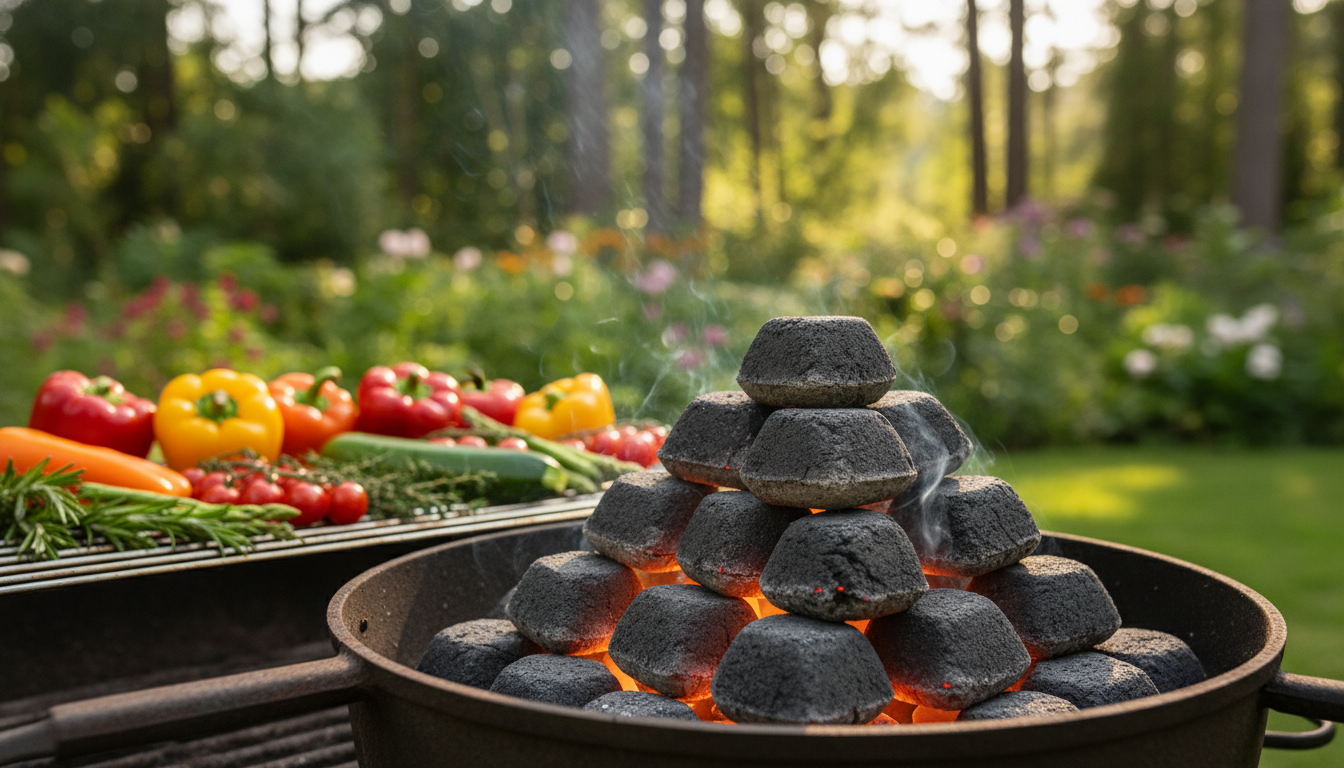
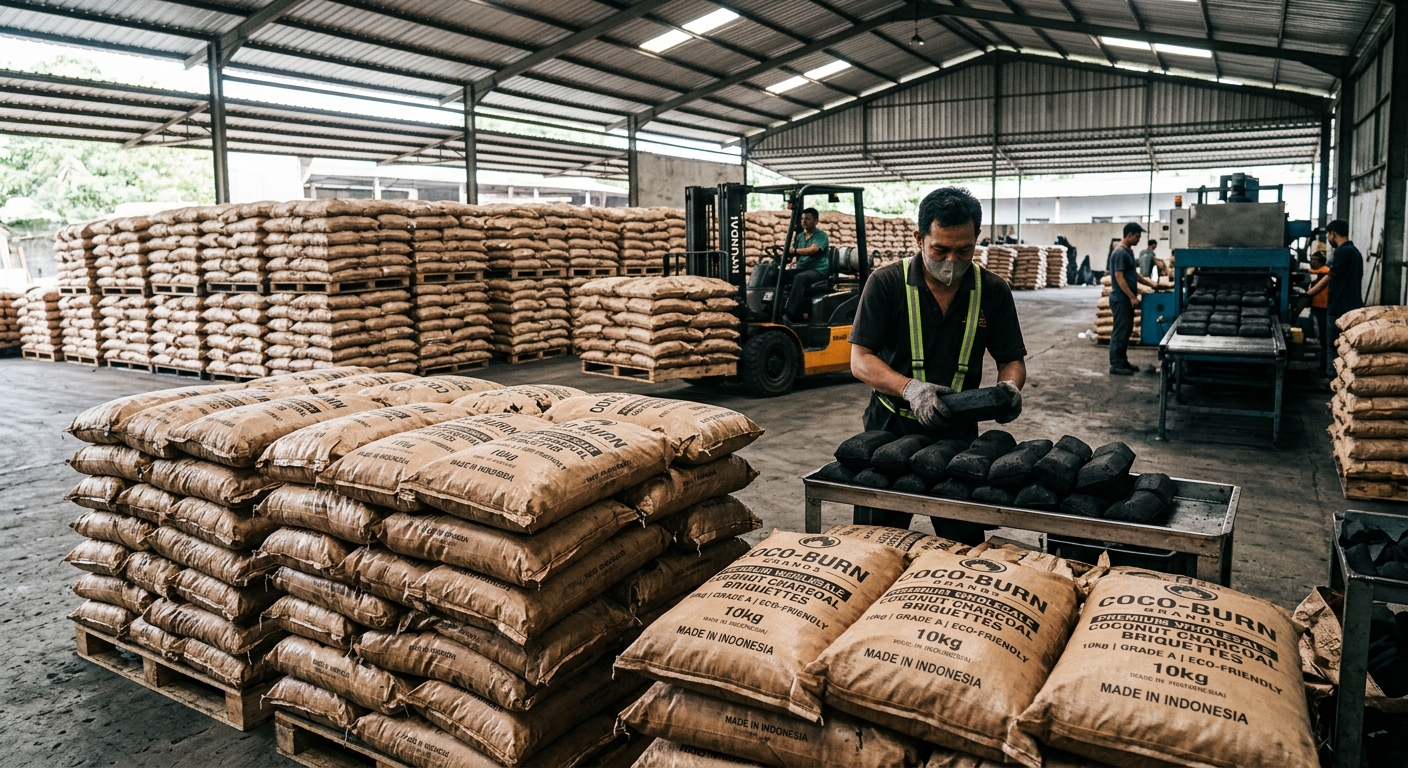
Never use quick-light coals if you desire thick, flavorful clouds. Quick-lights burn too hot, too fast, and often impart a chemical taste to your session. Instead, professional smokers exclusively use natural coconut charcoal. For a deep dive into why this matters, we highly recommend reading Coconut Charcoal vs Quick Light: The Ultimate Shisha Coals Comparison. Natural coconut coals burn longer, cleaner, and provide a consistent, even heat that is essential for baking the shisha juices properly to produce dense clouds.
Lighting and Managing the Coals
Properly lighting your coals is a safety and flavor necessity. Natural coals must be fully ignited on a coil burner until they are glowing red on all sides with a thin layer of gray ash. If you are unsure of the correct process, refer to How to Light Coconut Charcoal Briquettes: A Comprehensive Guide. Once lit, place three coals on the edge of your bowl or inside your HMD. Allow the bowl to heat up for about five minutes before taking your first draw. This ‘baking’ period lets the heat penetrate the bottom of the bowl, ensuring that when you do inhale, you are rewarded with immediate, thick clouds. As the session progresses, rotate the coals and remove the ash to maintain a steady temperature.
Foil vs. Heat Management Devices (HMDs)
While heavy-duty aluminum foil pulled drum-tight is the traditional method, Heat Management Devices (HMDs) have revolutionized the hookah industry. An HMD replaces foil and sits directly on top of the bowl, enclosing the charcoal. It acts as an oven, distributing heat perfectly and reducing the need for constant coal rotation. HMDs are highly recommended for achieving thick clouds because they prevent heat spikes and ensure the shisha is vaporized efficiently without burning.
Inhaling and Purging Techniques
Your physical technique also influences cloud output. Take long, slow, and deep pulls rather than short, sharp breaths. A slow draw allows the hot air to spend more time passing through the moist shisha, vaporizing more glycerin and producing a thicker cloud. Additionally, remember to purge your hookah occasionally by blowing gently into the hose. This clears out stale or harsh smoke from the base, keeping the temperature regulated and ensuring that every subsequent pull remains smooth, flavorful, and incredibly dense.
Conclusion
Setting up a hookah for thick clouds is an art form backed by the science of heat transfer and fluid dynamics. By ensuring an airtight setup, utilizing a Phunnel bowl, maintaining the correct water level, fluff-packing high-glycerin shisha, and mastering heat management with natural coconut coals, you are guaranteed a superior smoking experience. Patience is key—take your time with the preparation, let the bowl heat up properly, and you will be rewarded with the massive, satisfying clouds that define a truly professional hookah session.
Frequently Asked Questions (FAQ)
Why is my hookah smoke so thin?
Thin smoke is usually caused by insufficient heat, an air leak in your setup, or a poorly packed bowl that restricts airflow. Ensure your coals are fully lit and adequately heating the bowl, check all grommets for airtight seals, and make sure you are using a fluff pack for blonde leaf tobacco.
Can I get thick clouds without using an HMD?
Yes, you can absolutely get thick clouds using traditional heavy-duty aluminum foil. The key is to ensure the foil is pulled drum-tight across the bowl and to poke evenly spaced, appropriately sized holes. However, an HMD makes heat management easier and more consistent.
Does adding milk or ice to the base increase cloud thickness?
Adding milk is a common myth and is highly discouraged as it can froth up into your hose and cause bacterial growth in your hookah base. Ice can cool the smoke, making it feel smoother and allowing you to inhale more deeply, but it does not inherently increase the volume of the smoke. Stick to clean water for the best results.
How long should I wait before smoking after placing the coals?
You should wait approximately 4 to 6 minutes after placing fully lit coals on your bowl. This waiting period allows the heat to evenly bake the shisha and heat up the bowl itself, resulting in thick clouds right from your first draw.

3 thoughts on “How to Setup a Hookah for Thick Clouds: The Ultimate Professional Guide”