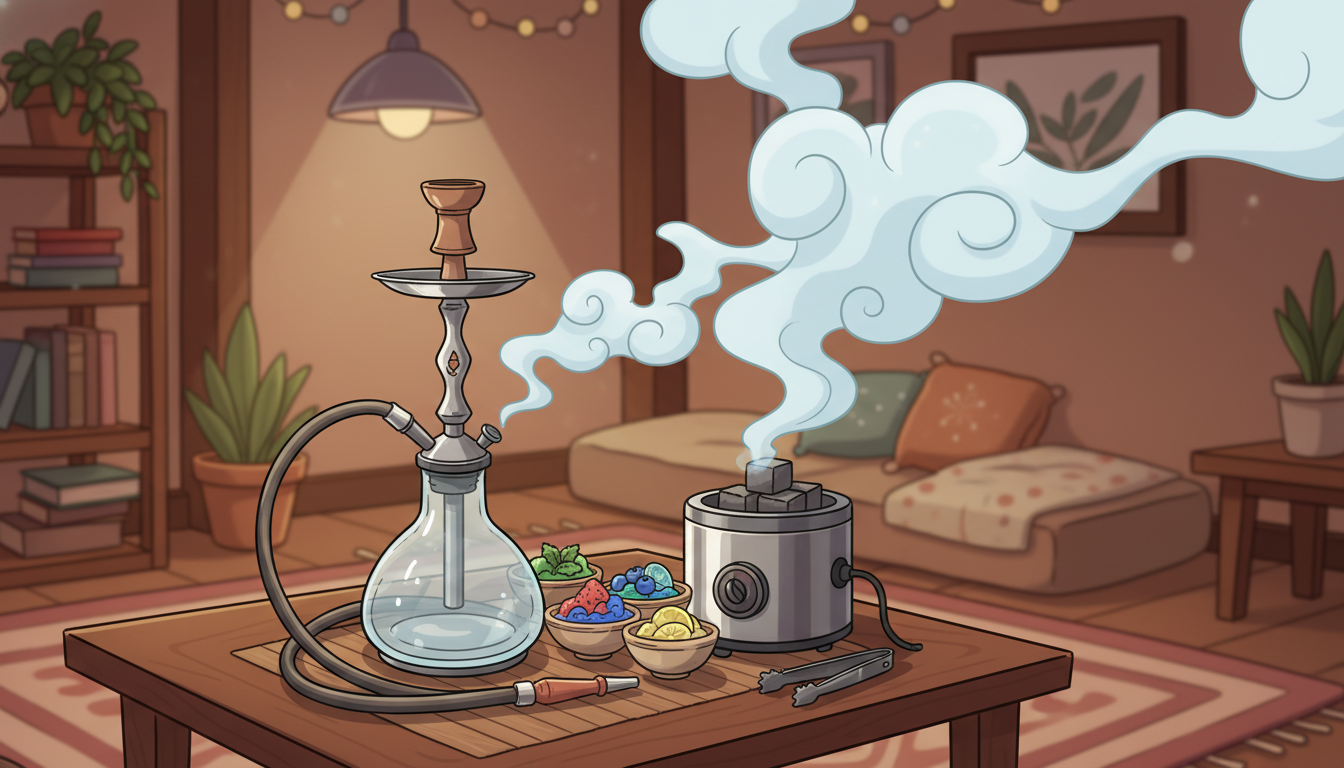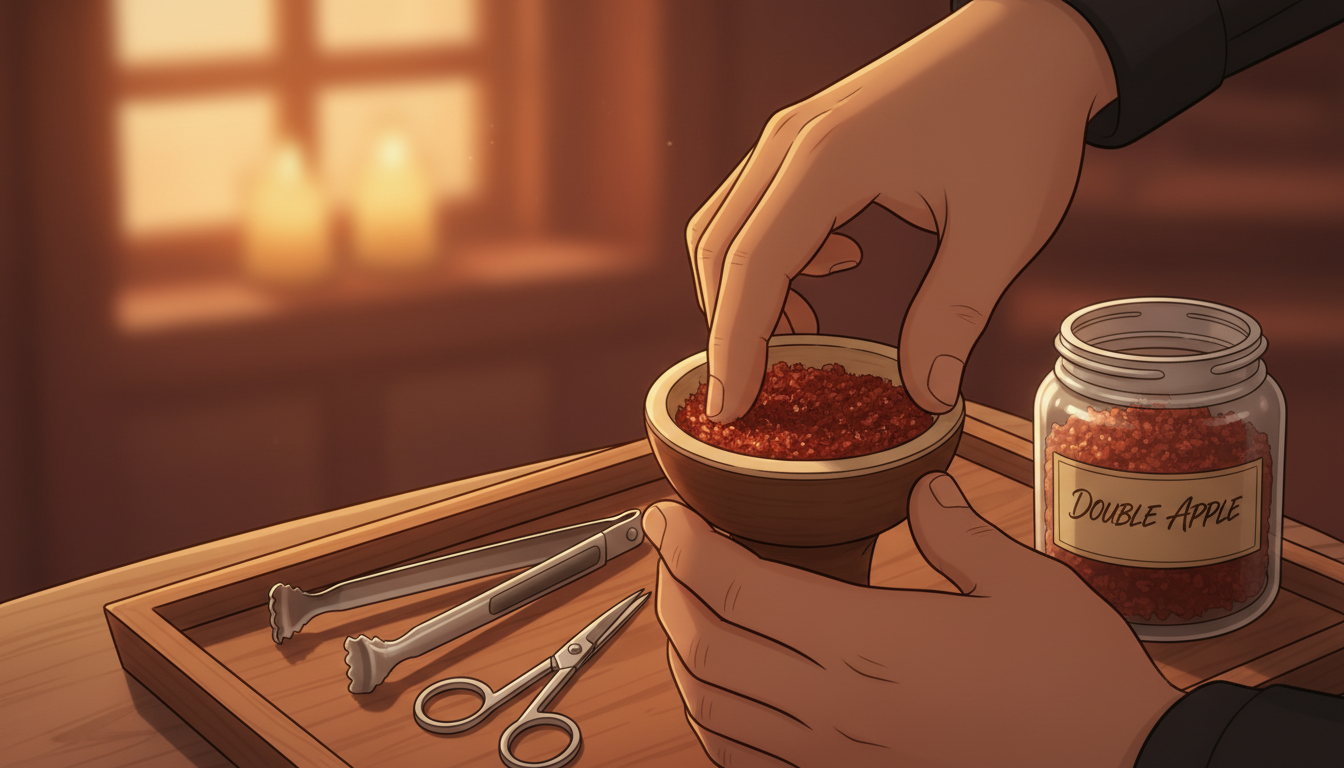
Did you know that after just five smoke sessions, your hookah can accumulate enough residue to reduce airflow by up to 30%? That sticky buildup you’re ignoring isn’t just unsightly—it’s robbing you of the smooth, flavorful experience you deserve.
When shisha molasses, glycerin, and mineral deposits collect in your downstem and base, they create a recipe for disappointing sessions. You’ll notice ghosted flavors where your mint suddenly tastes like last week’s double apple. Drawing smoke becomes harder, and each puff feels like work instead of pleasure.
This hookah maintenance guide will show you exactly how to restore your setup to peak performance. You’ll learn which supplies you need, how to clean each component properly, and proven hookah smoking tips that make the process simple.
Whether you’re a daily enthusiast or weekend smoker, following best hookah practices means investing just a few minutes to protect countless satisfying sessions ahead. Your equipment will perform like new, delivering pure flavor and effortless draws every single time.
Key Takeaways
- Regular maintenance prevents residue buildup that reduces airflow by up to 30% and ruins flavor quality
- Shisha molasses and glycerin deposits cause ghosted flavors between different tobacco varieties
- Proper care extends your equipment’s lifespan and ensures smooth, effortless draws
- This complete resource covers essential supplies, step-by-step processes for each component, and troubleshooting methods
- Simple maintenance routines work for both daily smokers and occasional enthusiasts
- Clean equipment delivers pure, untainted taste that matches your first session’s quality
Why Cleaning Your Hookah Matters
Every time you use your hookah, it leaves behind residue. This residue can ruin your next smoke session. It includes flavored tobacco, molasses, and smoke particles that settle in the bowl, stem, base, and hose.
These residues build up over time, affecting your next experience. Understanding hookah cleaning importance is key for a great session. Without proper hookah manners, you risk bad flavor and health issues.
Think of your hookah as a precision tool. A dirty coffee maker won’t make good coffee. A dirty hookah won’t give you clean smoke. Regular cleaning fixes these problems before they start.
Benefits of Regular Maintenance
Regular cleaning keeps your hookah in top shape. It makes every session better. When you clean regularly, your hookah works better right away.
- Extended lifespan: Your hookah lasts longer with care, saving money on new parts
- Perfect seals: Clean grommets prevent air leaks, making your session smooth
- Smooth operation: Your purge valve works well, and airflow is free
- Cost savings: Avoiding damage means fewer repairs and parts
- Optimal performance: Every part works right, giving consistent results
By following hookah smoking guidelines for cleaning, your hookah becomes a reliable social centerpiece. Your friends will notice the difference, and you’ll be proud of your clean setup.
Impact on Flavor and Smoke Quality
Buildup ruins pure flavor. Old residue can make your new flavor taste like yesterday’s. This ruins the flavor you’re trying to enjoy.
Clean parts mean only your current flavor matters. No bad tastes or strange flavors. It’s a big difference, like fresh coffee versus reheated.
Buildup also makes draws harder. It requires more effort and reduces cloud quality. Cleaning your hookah unlocks better draws and clouds.
Your smoke quality shows how well you maintain your hookah. A clean one produces cooler, smoother smoke. This is better for your throat and lungs.
Preventing Build-Up and Bacteria
Hookah maintenance is key for health. Moisture and tobacco residue create a perfect spot for mold and bacteria. These grow in dark, damp places, like an unwashed hookah.
Good proper hookah manners keep you and others safe. Regular cleaning and drying stop health risks. It’s important to keep your hookah clean for everyone’s safety.
Residue in the downstem gets harder to remove over time. It starts as sticky molasses and turns into hard deposits. Cleaning regularly prevents this buildup.
Following hookah smoking guidelines for cleanliness is a must. It keeps your hookah working well, your health safe, and your sessions enjoyable. Cleaning after each use makes a big difference.
Essential Hookah Cleaning Supplies
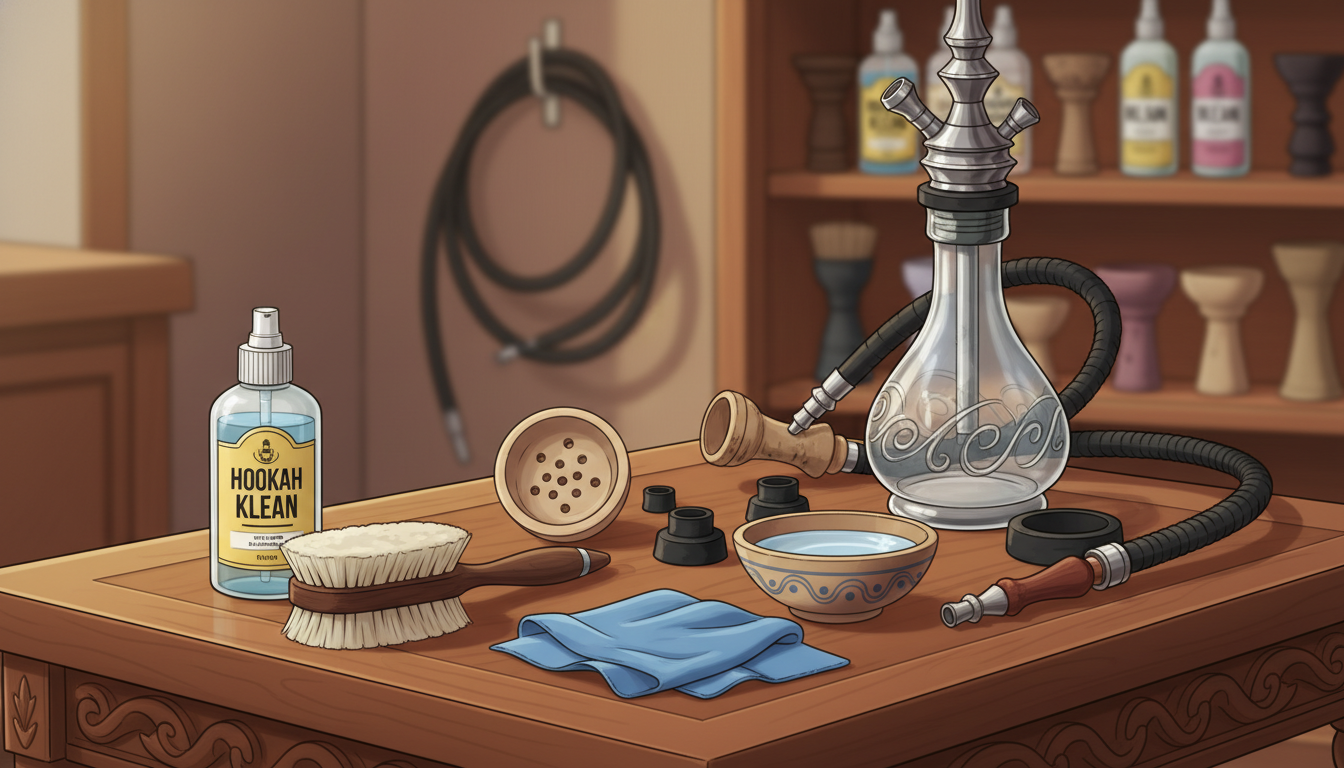
Having the right hookah cleaning tools makes cleaning easy. Before you start, gather all your supplies. This saves time and prevents interruptions.
The right cleaning supplies are key to a thorough clean. They help your hookah last longer and taste better. Quality tools are worth the investment.
Recommended Cleaning Solutions
Start with warm water for cleaning. It’s great for removing fresh residue. Adding natural solutions makes the water even more effective.
Lemon juice is a great natural cleaner. It cuts through sticky buildup and leaves a fresh scent. Mix two tablespoons of lemon juice with warm water for a safe and effective solution.
White vinegar is another natural option. It tackles tough stains and odors. Use one part vinegar to three parts water for regular cleaning.
Formula 420 is a specialized cleaner for hookahs. It’s designed to remove resin and buildup safely. It’s a powerful cleaner without harsh chemicals.
Baking soda is great for cleaning and removing odors. Use it on stains, add water to make a paste, and scrub gently. It leaves your hookah smelling fresh.
Remember, use natural cleaners that rinse away completely. Avoid harsh chemicals that can leave residue and change the taste of your tobacco. These can make your next session unpleasant.
Tools Required for Effective Cleaning
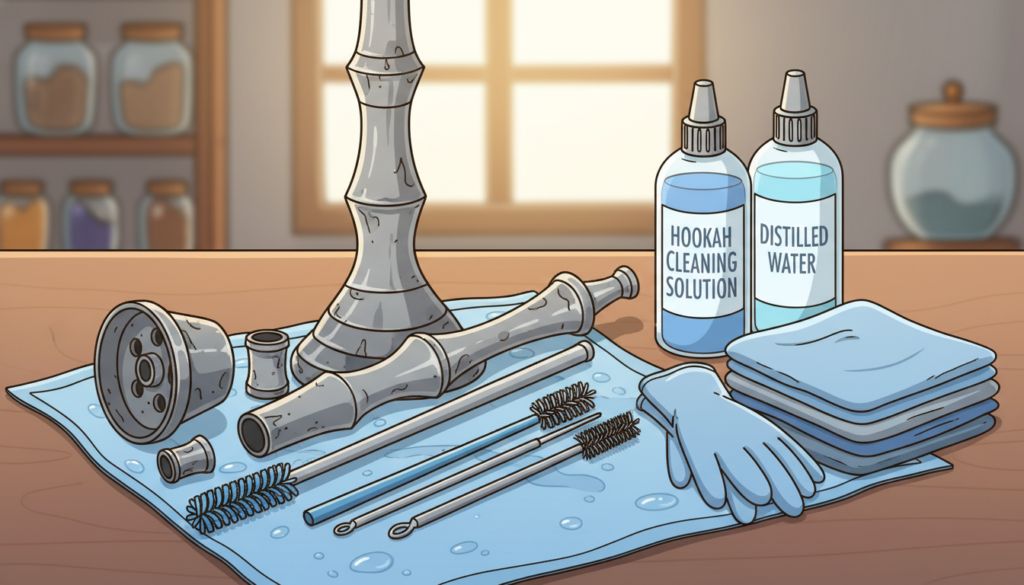
Every hookah owner needs specific brushes for different parts. The stem cleaning brush has long, thin bristles for deep cleaning. It reaches areas you can’t see or reach easily.
A base cleaning brush has wide, flexible bristles for the water chamber. These brushes bend to reach every corner. Look for sturdy handles for easy scrubbing.
Here are the essential tools you need:
- Long stem brush for downstems and shafts
- Wide base brush for water chambers
- Microfiber cloths for drying and polishing
- Small detail brushes or Q-tips for hose ports and valves
- Soft-bristled toothbrush for threading and grommets
Microfiber cloths are great for drying and polishing. Use them to dry different parts separately. This prevents contamination and ensures everything dries completely.
Optional Products for Deep Cleaning
Brass brushes are for heat management devices. Use them carefully to avoid scratching. They’re great for removing residue from HMD interiors.
Purge valve brushes have angled heads for valve housings and ball bearings. They prevent sticky valves and ensure good airflow. Clean valves mean better smoke control.
The shake method is useful without brushes. Add coarse salt or uncooked rice to your base with cleaning solution. Shake vigorously for two minutes. This method reaches areas brushes miss.
For severe mold or neglected hookahs, food-grade bleach solutions are effective. Mix one tablespoon of bleach per gallon of water. Soak for 10 minutes, then rinse thoroughly. Always rinse with baking soda after bleach to remove chemicals.
Knowing which tools are essential depends on how often you clean. Daily smokers need a full range of tools. Occasional users can start with basic brushes and natural solutions, adding more as needed.
Step-by-Step Cleaning Process for the Bowl
Your shisha bowl faces heat and sticky residue with every use. Knowing how to clean it right is key. It takes a lot of abuse, with tobacco juices and molasses sticking to it. Cleaning it well keeps your bowl in top shape and ensures great flavor.
Start with patience when cleaning your bowl. Don’t clean it right after smoking. Let it cool down to room temperature first.
Glazed bowls are sensitive to thermal shock. Rinsing a hot bowl with cold water can cause cracks. These cracks can let molasses leak through the ceramic later.
Getting Rid of Ash and Leftover Tobacco
Once it’s cool, start cleaning. Remove all tobacco, ash, and sticky residue from the bowl.
Here’s your first cleaning steps:
- Dump out all used tobacco and ash into a trash container
- Use your fingers or a paper towel to wipe away the bulk of sticky residue
- Pay special attention to the center spire on phunnel bowls where molasses pools
- Check all holes on multi-hole bowls to ensure they’re clear of hardened tobacco
- Remove any visible charred bits from the rim area
Bowls with rough edges get brown spots from molasses. These spots are hard to remove but can be cleaned with the right method.
Clearing holes is important. Clogged holes can ruin your next session. Make sure they’re clear for good airflow.
Soaking Methods and Scrubbing Best Practices
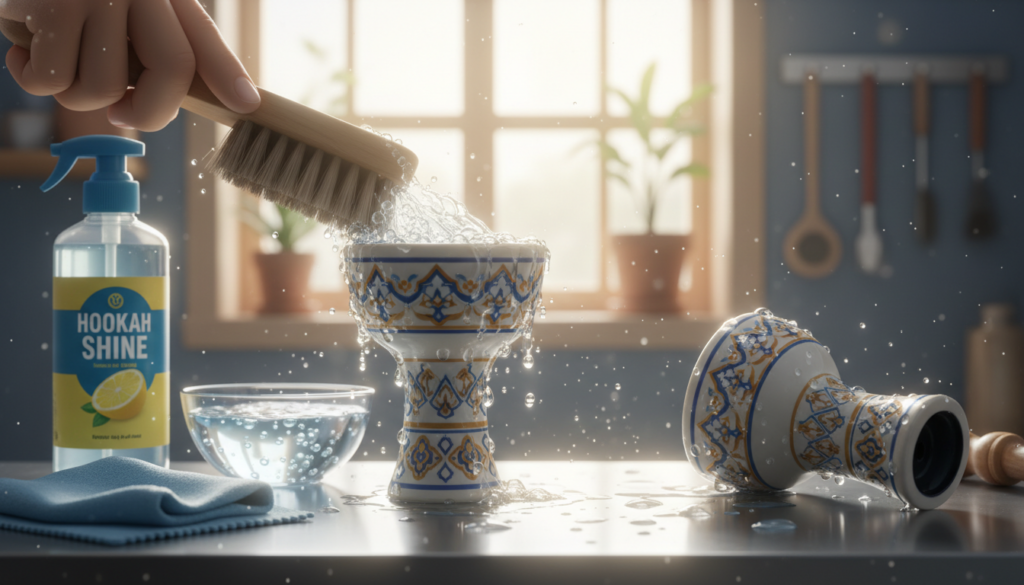
Now, it’s time for a deep clean. Start by rinsing your bowl with lukewarm water. This removes loose residue and sugar.
To remove tough spots and char, make a cleaning paste:
- Mix three parts baking soda with one part water in a small bowl
- Stir until you get a thick, spreadable consistency
- Apply the paste directly to stained and charred areas
- Let it sit for 2-3 minutes to break down the buildup
- Use the rough side of a kitchen sponge to gently scrub in circular motions
Baking soda is gentle but effective. It removes stains without harming the bowl’s finish. You’ll see the brown spots fade as you scrub.
For tough buildup, try soaking. Soak your bowl in warm water for 5-10 minutes. This loosens the residue.
After soaking, scrub again. Focus on problem areas. Soaking and scrubbing together tackle tough cleaning jobs.
Prevention beats cure every single time. A tip to avoid cleaning effort: wipe the rim clean with a towel before heating. This stops molasses from burning and staining.
This simple step keeps your bowl looking great. It prevents brown stains from forming.
Rinse your bowl well after cleaning. Make sure to remove all baking soda. Dry it with a towel or let it air dry before storing.
Regular cleaning prevents hard buildup. A quick wipe-down after each use saves time and effort later. Your bowl will last longer and taste better.
How to Clean the Hose Properly
Your hookah hose needs special care when cleaning. The wrong method can damage it. Knowing if your hose is washable vs non-washable is key before cleaning. The hose’s material decides how to clean it.
Many people have ruined their hoses by using water on the wrong ones. These hoses have metal inside that rusts when wet. This causes damage and makes the hose unusable.
Modern hookahs often have washable silicone hoses. These are easier to clean than older models. Learning the right cleaning methods helps keep your equipment in good shape and ensures great taste.
Identifying Suitable Cleaning Methods
First, figure out what kind of hose you have. There are two main types that need different cleaning methods.
Washable hoses are made of silicone or soft-touch materials. They are waterproof and have no metal parts. You can tell them by their smooth look and plastic or silicone handles.
To clean a washable hose, connect one end to a faucet. Run warm water through it for 60 seconds. This removes all residue and smoke. The water should flow well without any blockage.
- Pour warm water and lemon juice into the hose opening
- Seal the hose by plugging both ends with your thumbs
- Move the hose back and forth to mix the solution
- Keep moving for 30-45 seconds to clean the inside
- Rinse with clean warm water after
This method uses lemon juice to break down residue and deodorize. The citric acid is gentle on silicone.
Non-washable hoses are different. They have metal inside that rusts when wet. This can ruin the hose.
Non-washable hoses have a wrapped exterior, like leather or fabric. These traditional designs need special care.
To clean non-washable hoses, use the swing method. Hold the hose and swing it like a lasso. This removes loose tobacco and ash.
Before smoking, blow through the hose to clear dust. This keeps the airflow good and prevents debris from affecting the smoke. Learning how to clean a hookah properly includes these techniques.
Non-washable hoses hold flavors well but need to be replaced often. They should be replaced every 3-6 months to avoid flavor ghosting. Knowing when to replace your equipment is part of good shisha etiquette.
| Hose Type | Cleaning Method | Replacement Frequency | Water Safe |
|---|---|---|---|
| Silicone/Washable | Warm water flush + lemon juice treatment | 1-2 years with proper care | Yes |
| Traditional/Non-Washable | Swing method + forced air blow-through | 3-6 months | No |
| Soft-Touch Hybrid | Gentle water rinse only | 12-18 months | Yes (check manufacturer specs) |
Drying and Storing Your Hose
Drying your hose is as important as washing it. Moisture can cause mold and mildew. This can ruin your hose.
After washing a silicone hose, hang it vertically. This lets gravity drain the water. Hang it over a door knob or shower curtain rod.
Let your hose dry for several hours or overnight. Check if it’s dry by blowing through it. If you feel moisture, keep drying. Most hoses need 4-6 hours to dry.
Never coil or store a hose with moisture inside. This can cause mold and unpleasant odors. Mold can be harmful to your health.
For non-washable hoses, store them in a cool, dry place. Avoid damp basements or areas with high humidity. Keep them away from direct sunlight.
Some people use storage bags or cases for their hoses. These protect against dust and damage. Make sure your hose is dry before storing it.
Hang your hoses in a closet or dedicated area. This keeps them dust-free and dry. Proper storage shows you care about your equipment.
Extreme temperatures can damage your hoses. Store them in stable temperatures. Avoid garages or attics with extreme heat or cold.
Cleaning the Water Chamber: A Detailed Guide
Many hookah fans forget the key steps to avoid stains and mold. Your water chamber is where most dirt builds up. If you don’t clean it well, you’ll get bad tastes, smells, and health risks.
The glass base gets molasses, minerals, and organic stuff with each use. These cause water line stains and let bacteria grow. Knowing how to clean it right keeps your hookah in top shape and smoke flavor.
Taking Apart Your Hookah Safely
To clean your water chamber right, start by taking apart your hookah carefully. Begin by carefully removing the stem from the base. If the grommet is tight, twist the stem gently while pulling up.
Forcing parts can break or shatter your glass base. If the stem won’t come out easily, run warm water around the grommet. This trick makes it easier and safer.
Empty any water left in the base after removing the stem. Old water causes bacteria and bad smells. Even a few hours can start problems.
Remove the downstream grommet from the stem completely. This rubber piece needs separate cleaning, which we’ll cover in Section 9. Cleaning it while attached prevents reaching all contaminated areas.
Check your base for special features before cleaning. Some have diffusers, percolators, or ice chambers needing extra care. Take a note or photo of how they fit together for easy reassembly later.
Be very careful with your glass base when it’s wet. Wet glass is slippery, and drops can be expensive. Clean over a towel or in your sink to avoid damage if you drop it.
Effective Washing and Rinsing Methods
For cleaning after each use, start with a warm water rinse. Fill your base halfway with warm water, swirl it, and pour it out. This removes loose debris quickly.
Next, mix a cleaning solution with warm water and 2 tablespoons of lemon juice or vinegar. This acidic mix breaks down sticky residue and dissolves mineral deposits.
The acidic solution is great for water line stains. These stains appear at the water level and can become permanent if not cleaned. Let the solution sit for 5-10 minutes before scrubbing.
Use a flexible base brush to scrub all interior surfaces. Focus on the bottom corners and curved areas where sediment settles. These spots have the most residue.
If you don’t have a base brush, try the “shake method”. Add coarse salt or uncooked rice to your cleaning solution. The granules act as a gentle abrasive that scrubs surfaces without scratching glass.
Cover the base opening tightly with your hand or a rubber stopper. Shake the base aggressively for about 2 minutes. This removes grime from every surface, including hard-to-reach areas.
After scrubbing, rinse your base with warm water at least three times. Each rinse should remove more residue until the water is clear. Incomplete rinsing leaves cleaning solution residue that affects flavor.
Removing mold from hookah parts needs a strong approach. If you see white or green spots, you have mold. Mold grows when water sits in the chamber for too long.
Create a bleach solution with 1 part bleach to 9 parts water. Never mix bleach with vinegar or other acids, as it creates toxic gas. Use bleach alone for mold removal.
Soak your base in the bleach solution for 30-60 minutes. This time lets the bleach kill mold spores. For heavy mold, soak for the full 60 minutes.
After soaking, rinse your base thoroughly with hot water at least 5 times. This removes all bleach residue. Any bleach left can affect taste and safety.
Finish with a rinse using water mixed with 1 tablespoon of baking soda. This neutralizes any bleach smell. Swirl the baking soda solution, let it sit for 2 minutes, then rinse with clean water.
Preventing mold is better than curing it. Always empty your base immediately after use and let it air dry before storing. This simple habit stops mold growth.
For bases with percolators or complex structures, use a high-pressure rinse. Aim your faucet stream into these areas to flush out debris. Some use a detachable shower head for better water pressure.
Do a deep clean weekly if you smoke daily. Regular users should alternate between vinegar and plain water rinses. This keeps your hookah clean without wearing out rubber parts.
Keeping the Stem in Top Shape
The downstem connects all your hookah parts and carries smoke from bowl to base. It’s vital to clean it regularly. Any buildup affects your smoking experience, causing restricted draws and unwanted flavors.
Knowing how to clean your hookah stem properly is key. The stem is where molasses and glycerin deposits build up. Every puff leaves residue that builds up over time.
Deep Cleaning Methods That Actually Work
Begin by fully disassembling your stem. This lets you clean every surface. Remove the downstem from the heart chamber and take out the charcoal tray and purge valve.
The hot flush technique is great for loosening tough deposits. Run hot water through the stem for 30 seconds. This softens the sticky molasses and syrup on the walls.
Next, grab your long stem cleaning brush and mix warm water with lemon juice or vinegar. Dip the brush in the solution and scrub the stem with full arm movements.
Make sure to clean every inch of the interior. Thorough scrubbing removes residue that causes flavor ghosting and airflow problems.
Don’t forget to clean the connection ports during your cleaning hookah shaft routine. The hose and purge ports get sticky, causing issues. Use a smaller purge valve brush or Q-tip to clean these areas.
After scrubbing, rinse the stem with cool water. Keep running water through it until you can’t smell the lemon or vinegar anymore. This step is important to remove any remaining cleaning solution.
To dry the stem, lean it upright against a wall on a towel. Gravity will help drain the water. Never store a wet stem as moisture causes corrosion and bacterial growth.
| Stem Material | Recommended Cleaning Tool | Cleaning Frequency | Special Considerations |
|---|---|---|---|
| Stainless Steel (Standard) | Nylon stem brush with warm water and vinegar | After every 3-4 sessions | Durable and corrosion-resistant, handles vigorous scrubbing |
| Premium Steel (Steamulation, Alpha Hookah) | Soft nylon brush only, no abrasives | After every 2-3 sessions | Avoid steel wool to prevent scratching polished finish |
| Brass or Copper | Medium-bristle brush with lemon juice solution | After every 2-3 sessions | Naturally antimicrobial but tarnishes faster, needs more care |
| Aluminum | Gentle nylon brush with mild soap solution | After every session | Softer metal requires gentle cleaning to avoid scratching |
If you have a high-end stainless steel stem from brands like Steamulation or Alpha Hookah, avoid abrasive cleaners. These can scratch the finish. Use soft nylon brushes for effective cleaning without damage.
Why Regular Care Makes All the Difference
Your stem is the path for all smoke, and buildup affects every draw. Even a thin layer of old molasses causes flavor ghosting. This is more noticeable when switching flavors.
Buildup also restricts airflow, making it harder to draw smoke. This reduces cloud production and makes smoking less relaxing.
Regular downstem maintenance keeps your equipment in top shape. A quick hot flush after each session prevents major buildup. For frequent users, a weekly brush cleaning keeps everything running smoothly.
This isn’t just about cleanliness—it’s about protecting your investment. Premium stems can last decades with proper care. Neglect leads to corrosion, staining, and replacement. The few minutes spent on downstem maintenance saves money and ensures great sessions.
Regular stem care also helps you spot problems early. You might find loose connections, damaged threading, or a stuck purge valve ball. Catching these issues early prevents them from ruining a session or causing damage.
Tackling the Percolator and Diffuser
Percolators and diffusers are special parts of some hookahs. They make your smoke smoother and quieter. Taking good care of them keeps your hookah sessions great.
Diffusers sit at the bottom of your downstem. They have tiny holes that make smoke bubbles. Percolators are built into some bases and filter smoke through water several times.
These parts improve smoke quality and cooling. But, their design makes them prone to clogs and buildup.
Special Care for These Components
Diffusers need extra care because their small holes trap minerals fast. Remove the diffuser from your downstem. Then, soak it in warm water with white vinegar for 15-20 minutes.
This helps dissolve mineral buildup. Rinse it well under running water after soaking.
Cleaning the diffuser is the next step. Use a thin brush, toothpick, or safety pin to clear each hole. Every single perforation must be completely unobstructed for your diffuser to work properly.
Check the diffuser under light after cleaning. It should have clear holes with no blockages or residue.
Percolators need a different cleaning method. Fill your base halfway with warm water, then add vinegar and salt or rice. Cover all openings with your hands or plastic wrap.
Shake vigorously for 2-3 minutes. The vinegar and salt or rice clean all internal chambers. Shake harder than usual because percolators have complex structures.
Rinse multiple times with clean water until no vinegar smell remains. These systems need deep cleaning after every 2-3 sessions if you smoke a lot.
Testing Everything Works Right
After cleaning, check if everything works right. Start with a visual check of your diffuser. Hold it up to a light source and look at each hole.
Clear, unobstructed openings should be visible in every perforation. Any blockages will need more cleaning.
The real test is when you reassemble your hookah. Fill the base with water and attach your clean diffuser. Draw through the hose without the bowl attached.
You should see fine, champagne-like bubbles rising through the water. Large, glugging bubbles mean some holes are clogged. If this happens, clean those holes again.
| Component | Cleaning Method | Key Challenge | Success Indicator |
|---|---|---|---|
| Diffuser | Vinegar soak + individual hole clearing | Tiny perforations trap minerals | Fine, champagne bubbles during use |
| Percolator | Shake method with salt/rice | Internal chambers hide residue | Smooth, even resistance when drawing |
| Both | Frequent deep cleaning (every 2-3 sessions) | Complex structures accumulate buildup faster | Quieter operation and cooler smoke |
Testing percolator functionality is similar. Fill your base and draw through the hose without tobacco. You should feel smooth, even resistance throughout your draw.
No gurgling sounds or sudden airflow changes should occur. These symptoms mean blockages in the percolator chambers that need addressing. Listen carefully during your test—any unusual sounds mean more cleaning is necessary.
Clean, functional diffusers and percolators make your sessions better. They cool smoke more effectively and reduce harshness. The extra effort you put into maintenance pays off with better draws and longer-lasting equipment.
Your smoking experience depends on these small but mighty components working at peak performance. Regular care keeps them delivering the smooth, quiet sessions they were designed to provide.
Maintaining Your Hookah Grommets
Grommets are key to a good hookah experience. They create tight seals that prevent leaks. Without them, your sessions won’t be as smooth or flavorful.
Hookahs use several grommets at different spots. You’ll find them where the bowl meets the stem, the stem meets the base, and the hose connects. Each seal is vital for keeping the vacuum that makes your hookah work right.
Checking and Caring for Your Seals
Start by checking your grommets during each cleaning. Remove them carefully and look for any damage. Cracks, tears, or splits can let air in and ruin your draw.
Feel the grommets for rough spots or hardening. A healthy grommet should spring back to its original shape. If it stays deformed, it won’t seal properly.
After inspecting, clean the grommets. Use warm water and mild dish soap to remove tobacco residue. This buildup can make the seals less effective over time.
Wash the grommets gently with your fingers. Avoid harsh chemicals or scrubbers that can damage them. A soft touch is best for hookah seals care.
Rinse the grommets well and dry them with a clean towel. Storing them wet can cause them to break down faster.
Some people apply a light coating of food-grade glycerin to their grommets. This helps create better seals and makes them easier to remove. A small amount of molasses can also work, but glycerin is cleaner and doesn’t attract dust.
Knowing When to Replace Your Seals
Grommets need to be replaced over time. Heat, stretching, and wear can damage them. Knowing when to replace them can save you from bad sessions.
Look out for air leaks and weak draws. These signs mean your grommets are failing. Air is escaping where it shouldn’t, affecting your hookah’s performance.
Watch for signs of material damage too. Hard, brittle grommets can’t seal anymore. They should be soft and flexible.
Deformed grommets also need to be replaced. If they don’t return to their shape, they’re not doing their job. It’s better to replace them than to try to fix them.
You can buy grommet sets online or at hookah shops. They come in different sizes for various connections. Having a variety pack is smart because sizes vary.
When choosing a new grommet, look for a snug fit. It should slide on easily but not too hard. The right fit ensures a good seal without stressing your hookah.
Here’s a quick guide for common grommet problems and solutions:
- Whistling sounds during sessions: Replace grommets at all connection points and test each individually
- Weak or restricted draw: Check for grommets that have collapsed inward and are blocking airflow
- Bowl wobbles on stem: Try a slightly larger bowl grommet for a tighter fit
- Hose connection feels loose: Wrap the hose port with wet paper towel temporarily, then get proper-sized grommets
- Base grommet leaks water: Inspect for cracks and replace immediately to prevent water damage
Keep spare grommets in your cleaning kit. Regular maintenance and timely replacement ensure smooth, flavorful sessions. This way, you’ll avoid the frustration of air leaks ruining your setup.
Troubleshooting Common Cleaning Issues
Cleaning your hookah isn’t always easy. But knowing how to solve problems makes a big difference. This guide will help you tackle common issues like stubborn stains and leaks.
Learning to fix these problems saves time and keeps your hookah in top shape. It also prevents damage from using too much force when cleaning.
Dealing with Stubborn Stains
Stubborn stains need special care. When regular cleaning doesn’t work, you need to use targeted methods. These methods break down buildup without harming your equipment.
For glass bases with stains or cloudiness, try soaking them in a 50/50 vinegar and water solution. Let it sit for hours or overnight. The vinegar dissolves deposits that regular cleaning misses.
Denture cleaning tablets are great for tough stains. Drop 2-3 tablets into your base with warm water. Let it sit for 30 minutes before scrubbing and rinsing.
Bowl residue that’s hard to clean can be treated with baking soda paste. Apply the paste to stained areas and let it sit for 15-20 minutes. The baking soda breaks down tobacco residue well.
For bowls that absorb a lot of flavor, boiling works well. Place your bowl in boiling water and simmer for 5-10 minutes. You’ll see the water change color as it draws out molasses.
When cleaning heat management devices, never scrape them while hot. Let them cool, then soak them in hot soapy water for an hour. Use a brass brush for gentle scrubbing, but be careful not to damage the glaze.
Avoid these common mistakes when tackling stubborn stains:
- Steel wool on glass or polished metal creates permanent scratches that cloud your base
- Harsh chemical cleaners like oven cleaner leave toxic residue and damage finishes
- Abrasive scrubbing tools wear down protective coatings on metal components
- Scraping tools on hot surfaces can chip or crack ceramic and glass
Preventing stains is better than fixing them. Cleaning right after use prevents buildup. This saves you from hard scrubbing later.
Fixing Leaks After Cleaning
Leaks can happen after cleaning your hookah. Fixing hookah problems like leaks requires a careful approach. This ensures you find and fix the issue quickly.
Start by testing for leaks. Fill your base with water, assemble your hookah, and cover the bowl port with your hand. If you can draw air easily, there’s a leak.
Check each connection point carefully:
- Make sure the base grommet is seated right and looks good
- Check that the bowl grommet seals well (you might need a different size)
- Ensure all hose connections are tight and use the right grommets
- Test the purge valve by making sure the ball bearing moves freely
After cleaning, parts might not fit as well as before. This is common if you removed grommets. You might need to adjust or replace them.
The purge valve can leak if the ball bearing isn’t put back right. Remove it, clean it well, and make sure it moves freely. Even small particles can block the seal.
A wet paper towel wrapped around a stem can fix loose connections temporarily. But replacing worn grommets is the best long-term solution.
Good hookah etiquette means fixing leaks before guests arrive. This ensures everyone has the best smoke quality.
Never overtighten components trying to fix leaks. Too much force can damage grommets or even crack glass. Use gentle but firm pressure for the best seal.
Regularly check grommets and seals during cleaning. A small leak can ruin your smoking experience by reducing draw and diluting smoke. Taking a few minutes to inspect these parts saves a lot of trouble later.
These hookah troubleshooting tips give you confidence in handling common problems. With practice, you’ll quickly find and fix issues, keeping your sessions smooth every time.
Best Practices for Storing Clean Hookah Parts
Storing your hookah right can make a big difference. After cleaning it well, how you store it matters a lot. Good hookah storage tips keep your equipment in top shape. This ensures it works well every time you use it.
First, dry your hookah parts completely. This step is very important. Moisture can lead to mold, bacteria, and rust, ruining your cleaning efforts.
Use a clean towel to dry each part well after washing. Pay extra attention to areas where water might stay. Dry the base thoroughly, then let it air dry upside down for hours.
Never store the stem when it’s damp. Place it upright or at an angle to let moisture drain out. This helps prevent rust in threads and grooves.
Smart Storage Solutions for Every Smoker
Choose a storage method based on how often you smoke. If you smoke often, keep your hookah ready on a special surface. Pick a cool, dry place away from sunlight to protect it.
For those who smoke less, disassemble your hookah. This keeps each part safe. Wrap the glass base in bubble wrap or cloth to avoid chips and scratches.
Wrap the stem in cloth or a case for extra protection. Store grommets in a small bag to avoid losing them. Use the original packaging for extra safety and organization.
Choose a dry place for storage. Avoid humid areas like basements or bathrooms. A bedroom closet or living room cabinet is ideal.
| Storage Method | Best For | Advantages | Key Considerations |
|---|---|---|---|
| Assembled with Cover | Daily or weekly smokers | Convenient access, maintains setup, saves assembly time | Requires dedicated space, needs dust protection, must ensure complete drying first |
| Disassembled in Original Box | Occasional smokers, seasonal use | Maximum protection, compact storage, prevents damage during moves | Requires reassembly time, need to track small parts, box must stay dry |
| Display Case or Shelf | Collectors, decorative display | Showcases hookah as art piece, easy visibility, organized presentation | Exposed to more dust, requires regular wiping, needs stable surface |
| Individual Component Wrapping | Long-term storage, multiple hookahs | Prevents scratches and chips, customizable protection, space-efficient | Time-intensive wrapping process, materials cost, labeling recommended |
Shielding Your Hookah from Dust and Contaminants
Dust is a big problem for clean hookahs. It settles in the stem and base, and coats the bowl. When you smoke, this dust goes into your smoke, affecting flavor and health.
Use a cover for assembled hookahs to keep dust out. You can use a special cover or a clean cloth. Make sure your hookah is completely dry before covering it.
Seal the base when storing it separately to keep dust out. Use plastic wrap, a plate, or a stopper. This small step helps keep your hookah clean for a long time.
Store bowls upside down or covered to prevent dust. Cleaning the tobacco chamber before each use can be a hassle. Keep silicone hoses in sealed bags to keep them clean.
Before using a stored hookah, do a quick check and rinse. Even with protection, dust can settle in hidden places. A quick rinse ensures your equipment is clean.
For hookahs on display, wipe them down with a microfiber cloth before smoking. This keeps them looking new and prevents dust buildup.
Proper storage is part of the cleaning process. These steps help keep your hookah in great shape. Enjoy your hookah for years to come.
Conclusion: Keeping Your Hookah Pristine
A clean hookah makes every session special. You get to enjoy pure shisha flavor without any leftover tastes. The smoke flows smoothly, and each draw is easy.
Keeping your hookah clean is key. It makes a big difference. Just a few minutes of rinsing after each use can prevent many issues.
Essential Points to Remember
This summary covers all you need to know. Rinse with hot water after each use, deep clean weekly, and dry parts before storing. Make sure to brush your stem well and clean the base right away to avoid mold.
Know your hose type before washing. Silicone hoses are safe with water, but others aren’t. Check grommets often and replace them if needed. Store your hookah in a cool, dry place, away from sunlight.
Making Maintenance Your Routine
Good hookah etiquette means taking care of your equipment. Clean parts show you respect the tradition and enjoy quality sessions. It becomes a natural habit.
Your hookah is more than a device. It brings people together and creates lasting memories. Cleaning it right keeps your sessions great. The effort you put in is worth it for better flavor and performance.
Begin your next cleaning routine with confidence. You have the knowledge and tools to keep your hookah in top shape.
FAQ
How often should I clean my hookah to maintain optimal performance?
Rinse your hookah with hot water after every use to stop molasses buildup. For a deep clean, aim for weekly if you smoke often. If you smoke less, clean every 3-4 times. This keeps your hookah tasting great and prevents bacteria.
Can I wash all types of hookah hoses with water?
No, not all hoses can be washed with water. Modern silicone hoses are safe to clean with water. But, traditional hoses with leather or fabric will rust if wet. Always check your hose type before cleaning.
What’s the best natural solution for cleaning my hookah base and stem?
Use warm water mixed with lemon juice or vinegar to clean. This solution breaks down residue without harming your hookah. For the stem, scrub with a brush in the solution. This method is safe and effective.
Why does my hookah taste like the last flavor I smoked even after cleaning?
This is called flavor ghosting. It happens when old residue stays in your stem or bowl. Clean your stem well after each use to avoid this. For bowls, try boiling them to remove old flavors.
How do I remove stubborn water line stains and cloudiness from my glass base?
For tough stains, soak your base in a vinegar solution for hours. Or, use the shake method with salt or rice. For really stubborn stains, try denture cleaning tablets. Always rinse well after cleaning.
What should I do if my hookah develops mold in the base?
If you see mold, use a bleach solution to kill it. Soak the base for 30-60 minutes, then rinse well. Always dry your base after use to prevent mold.
Is it safe to rinse my hot hookah bowl with cold water immediately after a session?
No, never rinse a hot bowl with cold water. This can damage the bowl. Wait until it cools down before cleaning.
How can I tell if my hookah grommets need to be replaced?
Watch for signs like air leaks or damaged grommets. Even with cleaning, grommets wear out over time. Replacing them ensures smooth draws and prevents leaks.
What’s the proper way to dry my hookah after cleaning to prevent damage?
Drying is key to prevent damage. Dry each part with a towel, then air-dry completely. For hoses, hang them to dry. Never store a wet hookah to avoid mold and rust.
Can I use regular dish soap to clean my hookah components?
While mild dish soap is okay for some parts, avoid it inside your stem or base. Use natural solutions like lemon juice or vinegar instead. This keeps your hookah tasting good.
How do I clean a diffuser that has very small holes without damaging it?
Diffusers need special care due to their small holes. Soak them in vinegar solution, then rinse and clean each hole. This ensures they work well.
What’s the best way to prevent flavor ghosting in my hookah bowl?
To prevent ghosting, clean your bowl well after each use. Use baking soda to remove stains. For unglazed bowls, boiling is best to remove old flavors.
How should I clean and maintain my heat management device (HMD)?
For HMDs, avoid scraping off residue when hot. Soak it in soapy water, then brush off buildup. Regular cleaning keeps it working well.
What should I do if my hookah is leaking air after I cleaned and reassembled it?
Check for leaks by filling the base with water. Look for loose connections or damaged grommets. Fixing these ensures your hookah works right.
Is it necessary to clean my hookah if I only use it occasionally?
Yes, cleaning is important even if you don’t smoke often. Residue builds up over time, leading to mold and bacteria. Clean your hookah after each use to keep it in good shape.
What hookah etiquette should I follow when cleaning shared hookahs or hosting guests?
Always clean your hookah before guests arrive. Check for leaks and fix them. Use disposable mouthpieces or clean hoses for guests. Clean your hookah after guests leave to keep it in good condition.
Can I use household cleaning products like bleach or oven cleaner on my hookah?
Avoid harsh cleaners like oven cleaner. They can harm your hookah. Stick to natural solutions like lemon juice or vinegar for cleaning.
How do I properly store my hookah to keep it clean between sessions?
Always dry your hookah completely before storing. For regular use, keep it assembled. For occasional use, disassemble and store parts separately. This keeps your hookah in good condition.
What causes that foul smell in my hookah base and how do I eliminate it?
Foul smells come from old water and bacteria. Always empty your base after use. For smelly bases, try a baking soda solution. This keeps your hookah smelling fresh.
Do I need to clean my hookah differently if I smoke flavored versus unflavored shisha?
Flavored shisha creates more residue, so clean more often. Use hot water to remove residue while it’s warm. This keeps your hookah tasting great.